



 MySwissAlps.com includes
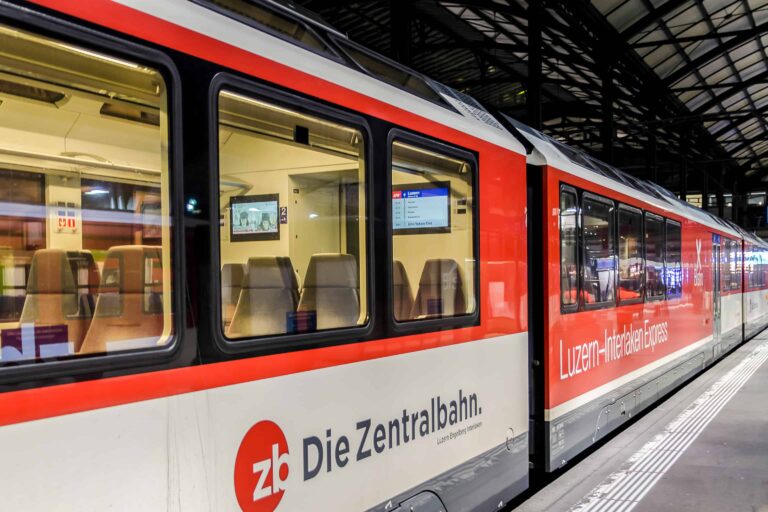
Many public transport companies cover all of Switzerland
The SBB and other companies
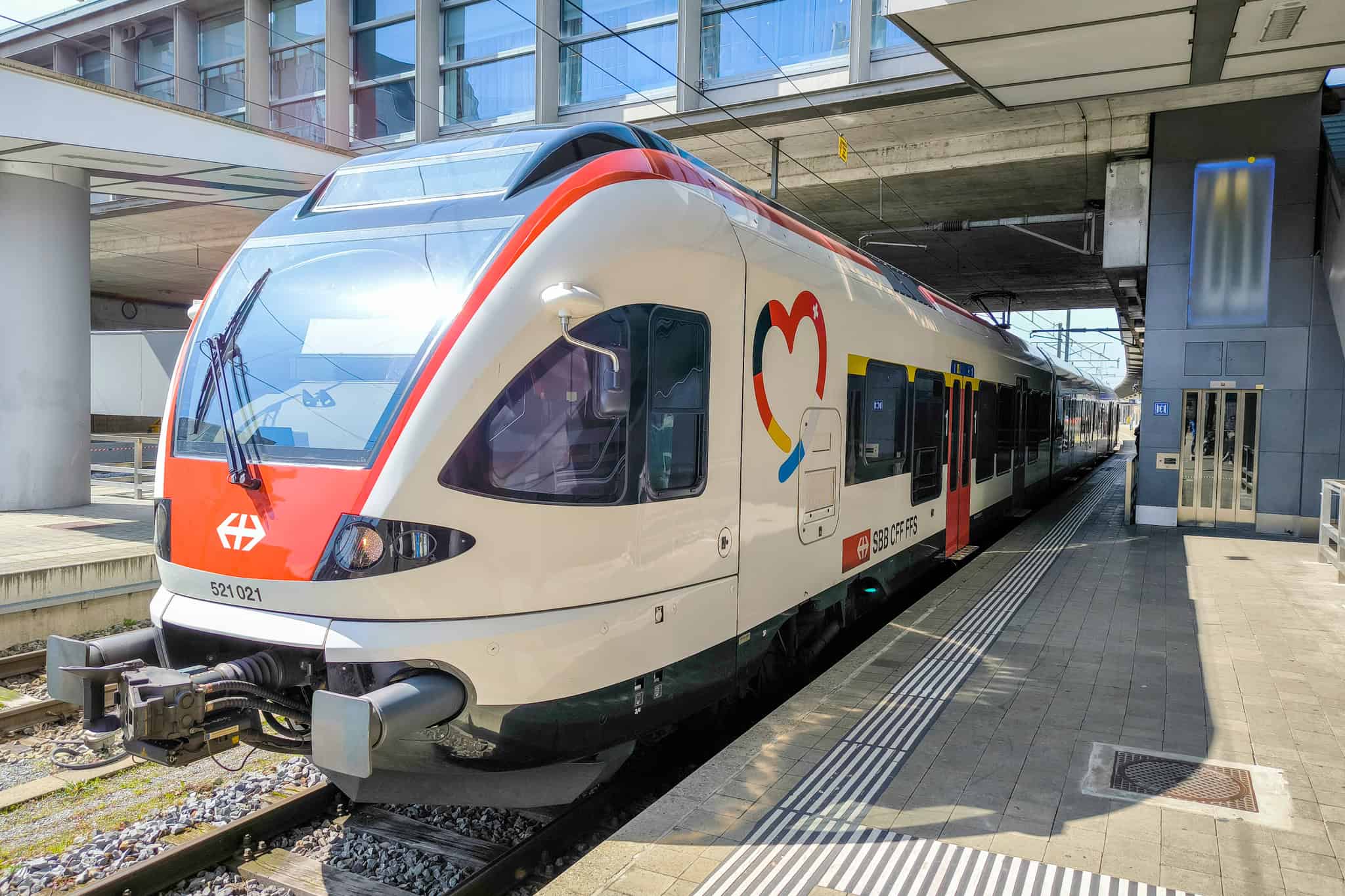
Switzerland has its Swiss Federal Railways, called SBB which stands for “Schweizerische Bundesbahnen” (in German), CFF (in French) or FFS (in Italian). The SBB don’t service the whole country. There are many more railway, bus, boat, and mountain transport companies.
How multiple types of public transport form one large network
For you as a traveler, it’s not relevant to know which company services which route. All transport types and companies work together and form the public transport network of Switzerland. This is how:
- Trains are the main way to travel between towns and villages.
- Buses transport to you smaller villages and more remote areas.
- Cable cars, cogwheel trains, and funiculars transport you to the mountain tops.
- Urban transport consists of buses, trams and local trains. Each city can have its own regional or urban companies.
- There are frequent boat services on most larger lakes.
On most routes, there’s only one travel mode (for example bus or train). So there isn’t really a choice. You just travel with what’s available on your route.

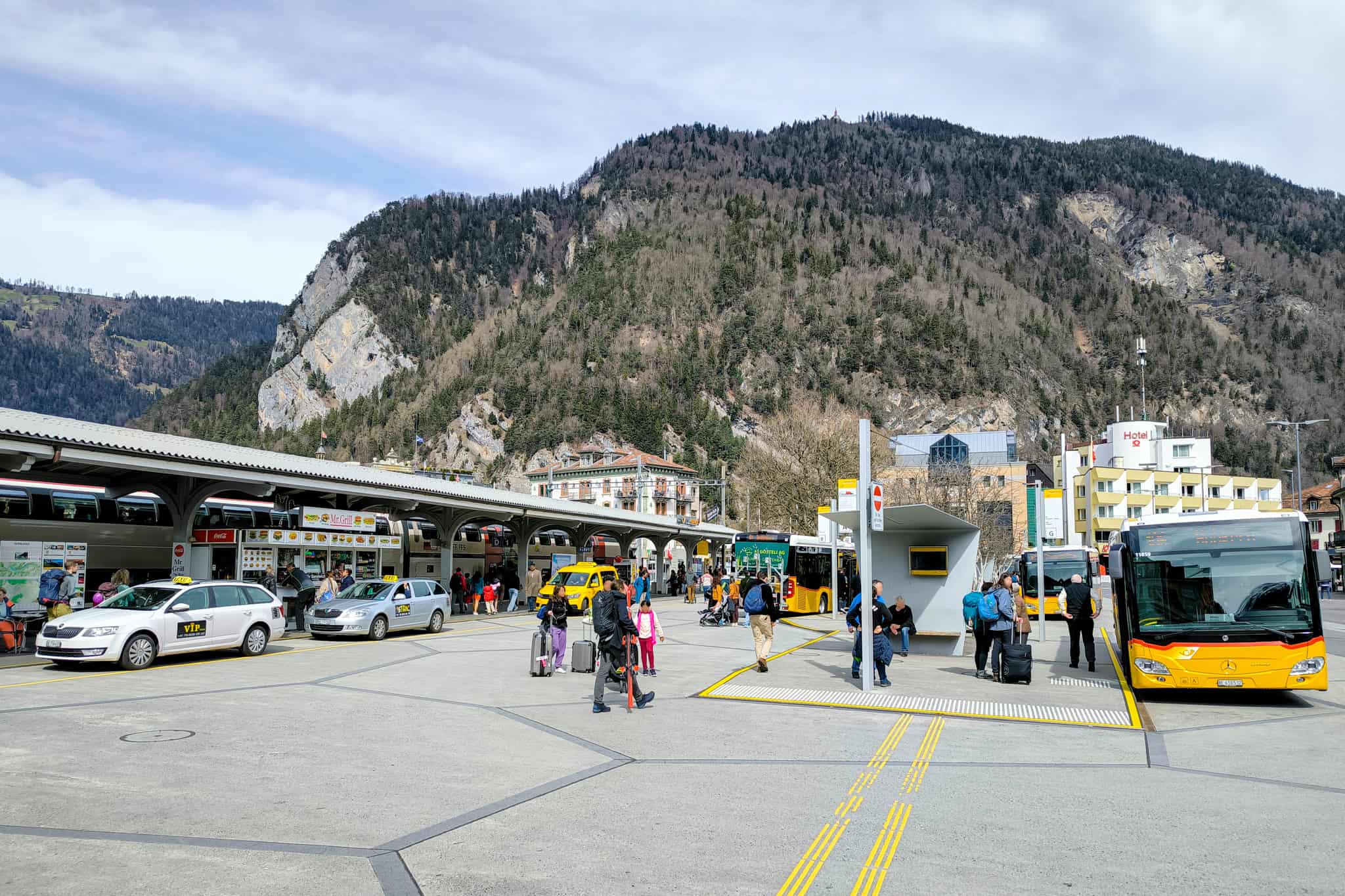
How multiple companies work together
Many rail, bus, boat, and mountain stretches are operated by just one company. On other stretches, several train types and several transport companies operate. This doesn’t matter for you as a traveler either.
You just use the transport that’s available on your route and that fits your schedule. And as a consequence, you’re traveling with its company. The transport types can all be found in the timetable. The companies are not mentioned in the timetable, as this information isn’t relevant for travelers.
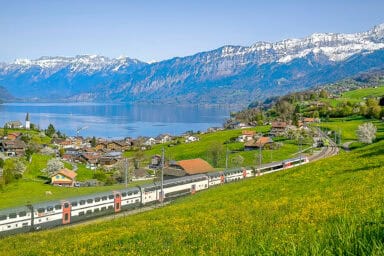



Is one company more expensive than the other?
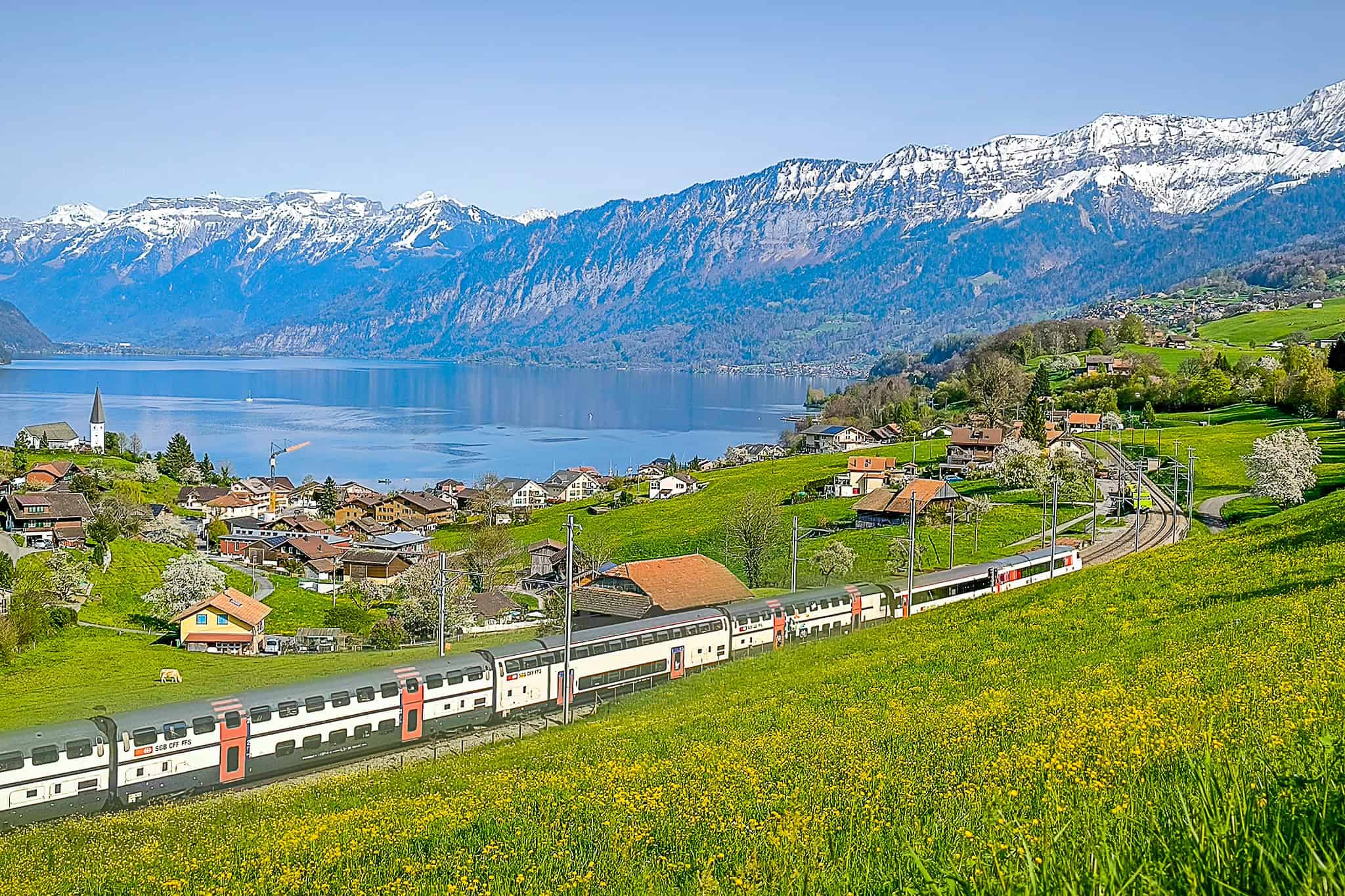
No. There are fixed prices for each route, regardless of the company. For example: between Bern and Thun, there are trains operated by the Swiss national company SBB, but also by the regional company BLS. The price is the same, no matter which train you use.
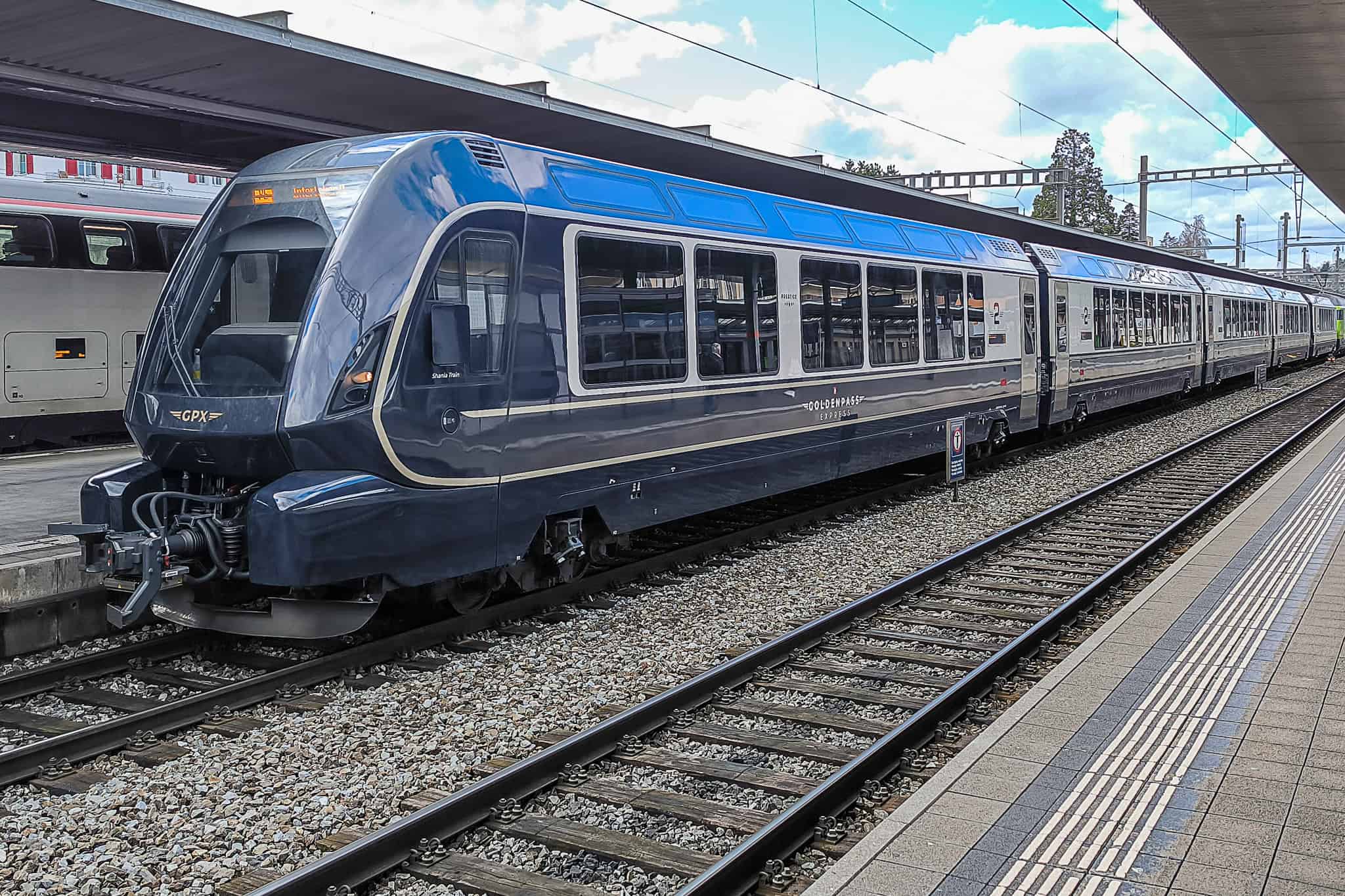
There are only a few exceptions: special panoramic or international trains for which you need additional seat reservations. An example: between Interlaken Ost and Zweisimmen, you can travel by:
- either normal regional trains, operated by the company BLS, for which you don’t need reservations;
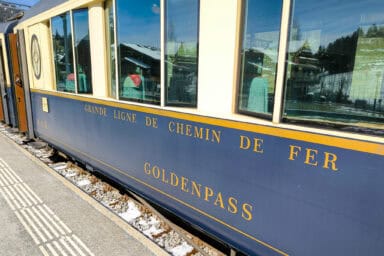
- or the panoramic GoldenPass Express, operated by a cooperation of the companies MOB and BLS. For most classes, reservations are recommended, and for the luxury Prestige class it’s required. So in this train, you’ll probably pay more than when traveling by normal trains. But the price difference depends on the train types and their amenities, not on their companies.
Is my ticket valid for all companies?
Normal point-to-point tickets are purchased for a route, and they are valid for all types of transport and all operators on that route.
You do have to stick to the route specified on your ticket. That’s because there can be several routes to travel from A to B. For example: you can travel from Montreux to Bern via:
- Lausanne and Fribourg, or
- Neuchâtel, or
- Visp and Spiez, or
- Gstaad and Zweisimmen (the GoldenPass route).
All routes have different durations, operators, and prices. The operators don’t matter for your ticket, but the length of the routes and their prices do. So point-to-point tickets should be used for one route only: the one indicated on the ticket.
Is my rail pass valid for all companies?
Rail passes are valid for either all of Switzerland or one region. They can be used for all trains, buses, and other transport on the covered routes, regardless of the respective companies. The validity maps that you can find on each of our rail pass pages show where you can travel for free or with discounts.
Only a few exceptions apply to the above rules. A few panoramic and international trains require additional seat reservations, and just a ticket or rail pass won’t be enough.
Switzerland’s main railway companies
There are too many companies to list here, but some of the major ones and the areas that they service are:
- Swiss Federal Railways (SBB, throughout the country): www.sbb.ch
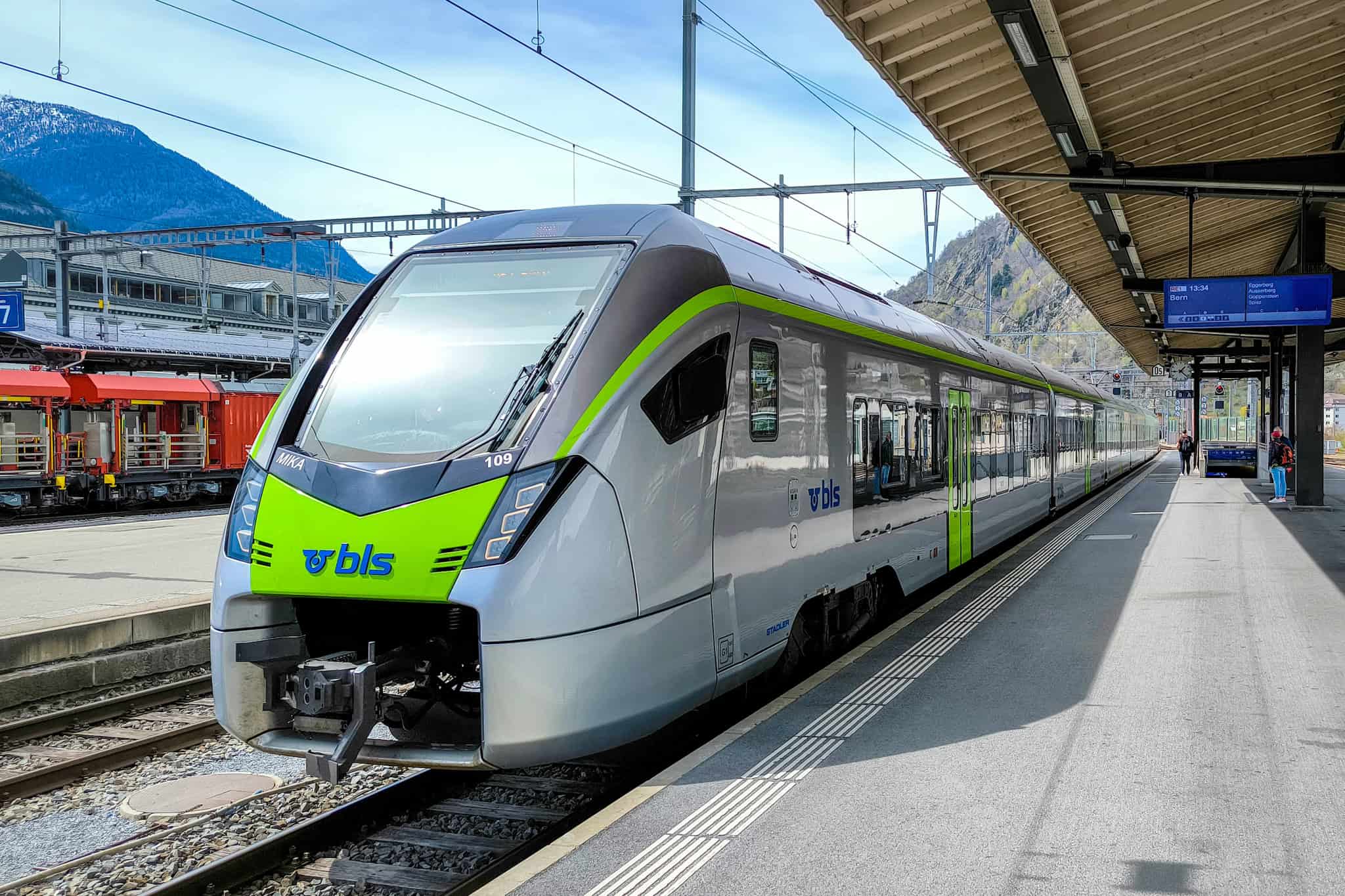
- Bern Lötschberg Simplon Railway (BLS, roughly between Biel, Bern, Solothurn, Lucerne, and Visp): www.bls.ch
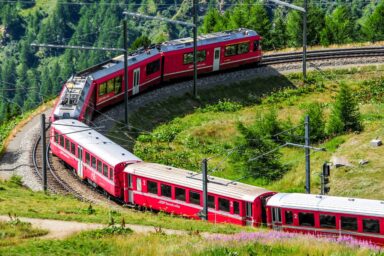
- Rhätische Bahn or Rhaetian Railways (RhB, in Graubünden): www.rhb.ch
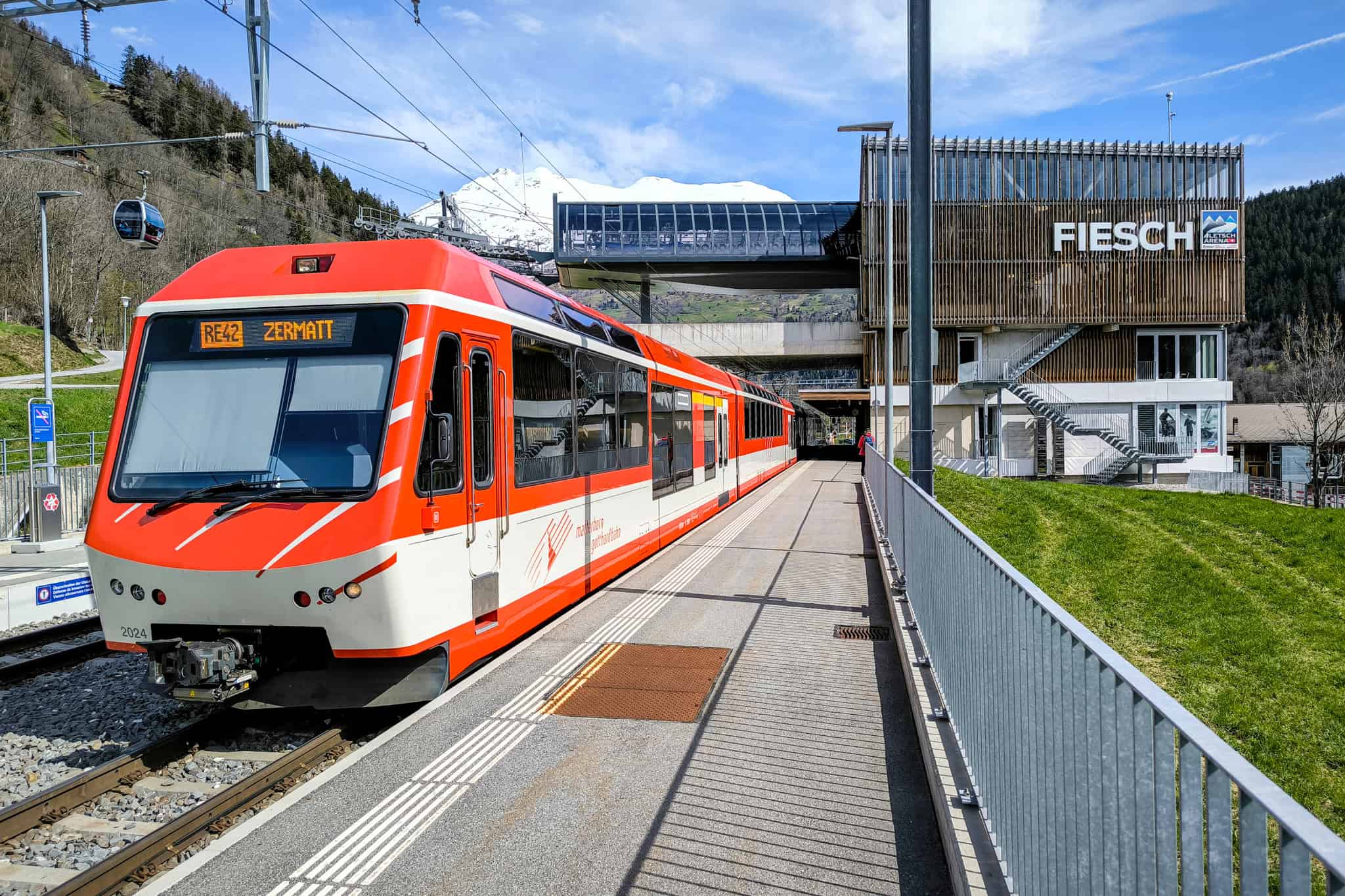
- Matterhorn Gotthard Railway (MGB, mostly in the Valais): www.matterhorngotthardbahn.ch
- Montreux–Oberland Bernois Railway (MOB, roughly between Interlaken and Montreux): www.mob.ch
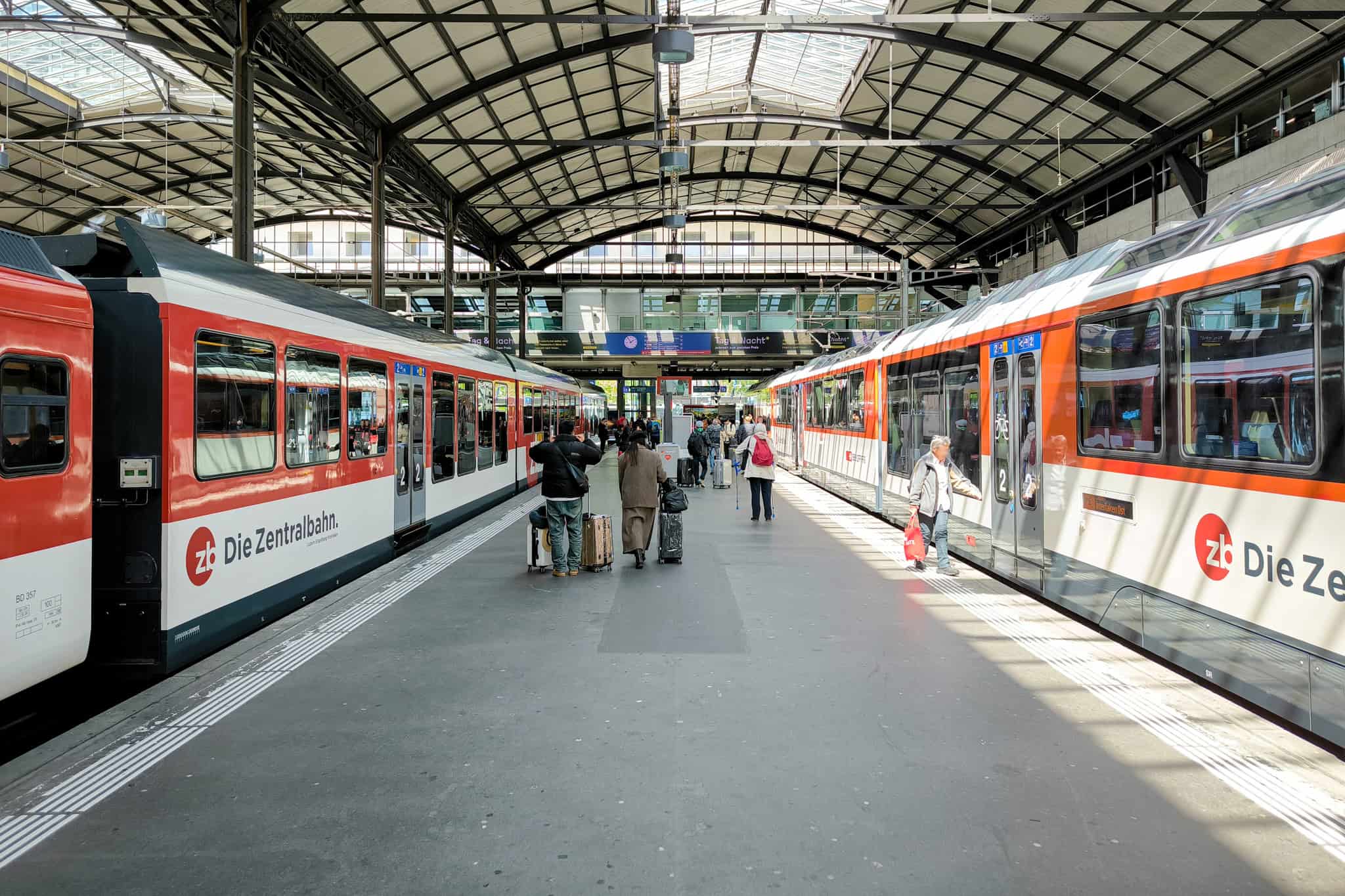
- Die Zentralbahn (Zb, roughly between Lucerne, Engelberg, Interlaken and Innertkirchen): www.zentralbahn.ch
Switzerland’s other transport companies
In addition to railway companies, there are many other transport companies in Switzerland. They operate lake boats, urban tram and bus networks, regional train lines, mountain routes, and so on. You’ll find relevant information on each of our activity pages.

