



 MySwissAlps.com includes
 This page was last updated by
 The rail network in Switzerland
Switzerland’s extensive train network
Switzerland has a fantastic rail network with rail stations in many towns and villages. Rail stations are usually in the town center. Local attractions can mostly be reached on foot. Details can be found on the map of Switzerland.
Additional buses and other transport modes
Places that cannot be reached by train can be reached by switching to a bus or another mode of public transport. Bus routes complement the rail network: if a route is serviced by trains, it is usually not serviced by buses as well, and vice versa. So in most cases, you don’t get to choose the mode of transport.
How to plan your trip
The Swiss timetable shows how to travel from A to B. It shows what time to depart, where to switch if necessary, and what time you will arrive. The timetable knows about nearly all modes of transportation. So if you need a bus or a cable car to reach your destination, it will show that too.
How to choose and buy your ticket or pass
Board with a pass or ticket, without reservations
Traveling by train in Switzerland is easy and does not require lots of planning ahead: you simply buy a ticket for a specific route and day, and just board any train. For special tickets, such as Supersaver tickets, exceptions to this rule may apply.
If you have a rail pass that allows free travel on your route, for example the Swiss Travel Pass, you don’t need a ticket at all. With a pass that gets you discounts, such as the Swiss Half Fare Card, you can buy a discounted ticket.
There is no need to book seats, except for a few international trains and panoramic trains such as the Glacier Express. The timetable will indicate that for such trains.
Find out which ticket or pass you need before buying
Buying point-to-point tickets usually isn’t the cheapest or most convenient way to pay for your trips. Some rail passes allow you to travel by any train, bus or boat on any route, as much as you like. This is often cheaper and a lot easier. Many rail passes are available. How to choose is explained here.
Where to get your ticket or pass
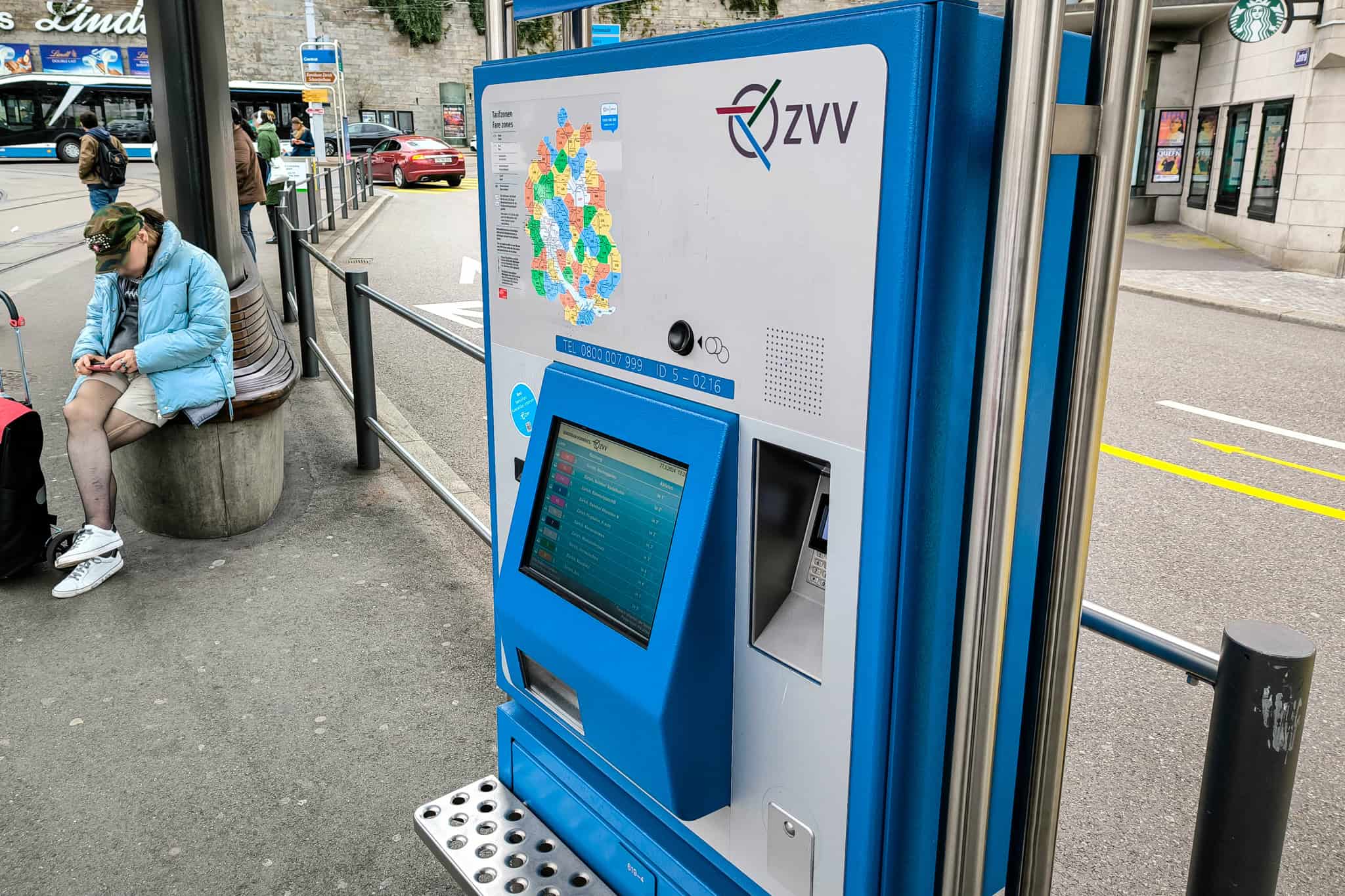
Most tickets are for sale online and on the spot. Larger rail stations have a staffed ticket office that sells point-to-point tickets. All rail stations have ticketing machines.
Rail passes can be purchased online and at ticket offices, but mostly not through ticketing machines. Check my advice on where to get your tickets and passes here.
Train types and train companies don’t matter
The train type (InterCity, regional train, local train, et cetera) is not important when traveling. The rail company operating the train is not relevant either. You can just travel as the timetable suggests. There are no price variations between train types or railway companies. A ticket or a pass is valid for any train type and any company operating on the route that’s indicated or your ticket or that’s covered by your rail pass.
Exceptions may apply to special tickets, such as the Supersaver ticket, and a few panoramic or international trains.
Regional fare networks
Some regions have a fare network and work with an alternative ticket type: a ticket allows unlimited traveling within a specific area during a certain time frame (for example: two hours). The validity duration is indicated on your ticket. All modes of transport are included. Public transport in Zurich works like that, for example.
You don’t have to worry about this if you have a rail pass that allows free traveling.

Video 
How ticket checks are performed
Checks of your train tickets or pass
You don’t have to show anything when boarding. You do so when train personnel comes along during the ride and asks for it. Ticket checks are performed often: in my experience, during about 90% of my train rides.
In most cases you can’t buy a ticket on board, so be sure to have a valid ticket or pass before get in. You’re risking a fine if traveling without a valid ticket or pass.
Some trains don’t have personnel on board. In that case, there are mobile teams that board such trains randomly and perform checks.
Take along your passport or ID card
The personnel may ask for your passport or ID card too, to check if you’re the rightful owner of your pass or ticket. This is why you always need to carry your passport when traveling by Swiss public transport. A copy of it is mostly not accepted.
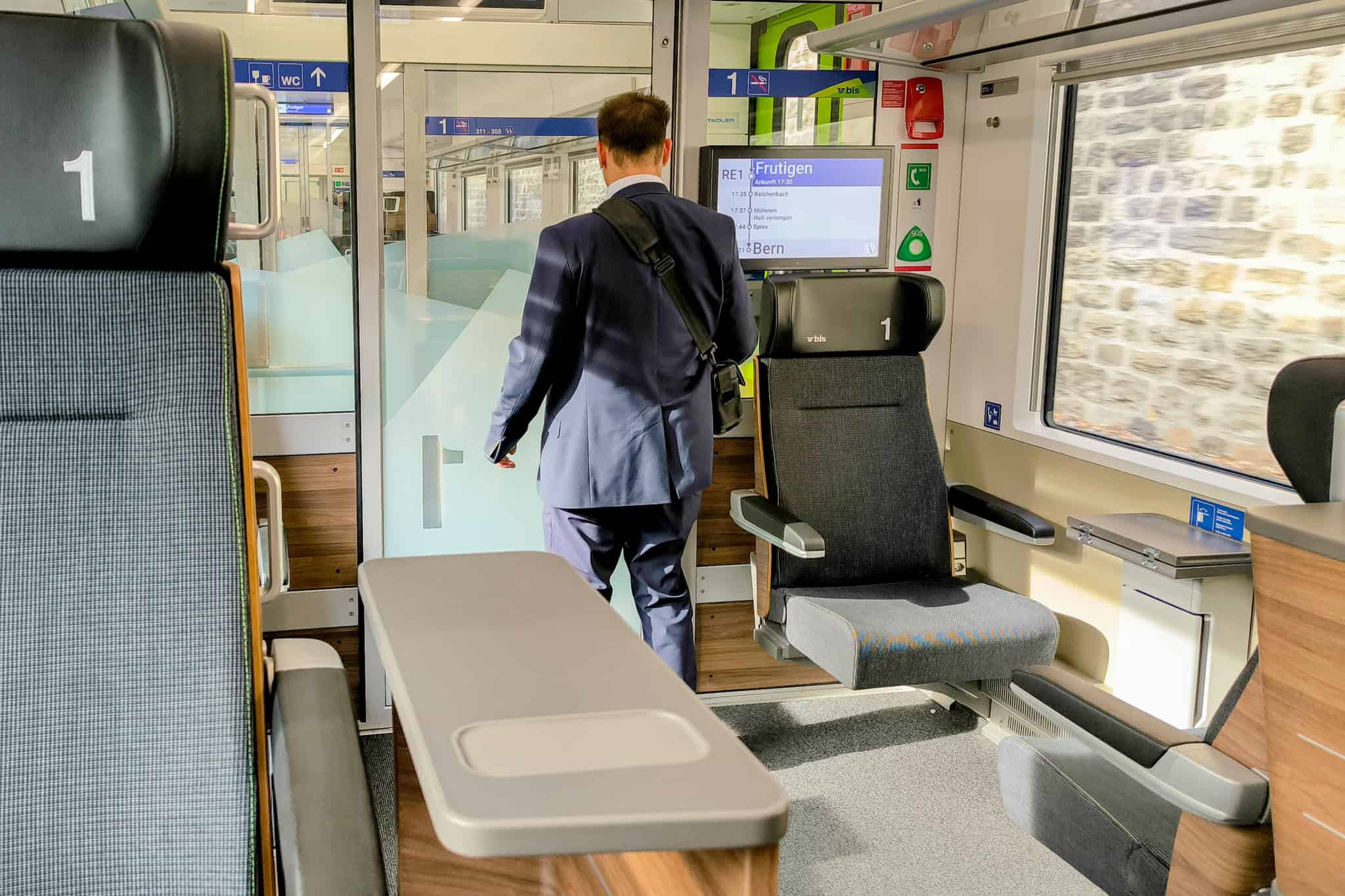
How to find your platform and train
Navigating at small rail stations
Smaller stations only have one or two platforms. Signs indicate which platform your train will depart from.
Navigating at larger rail stations
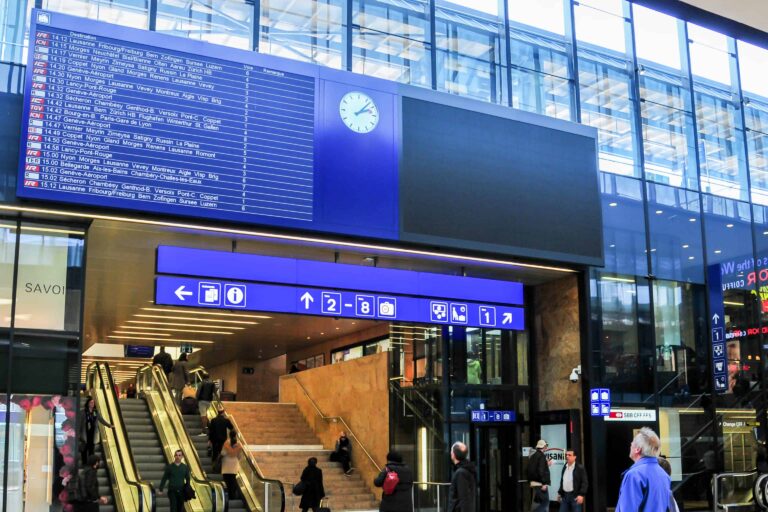
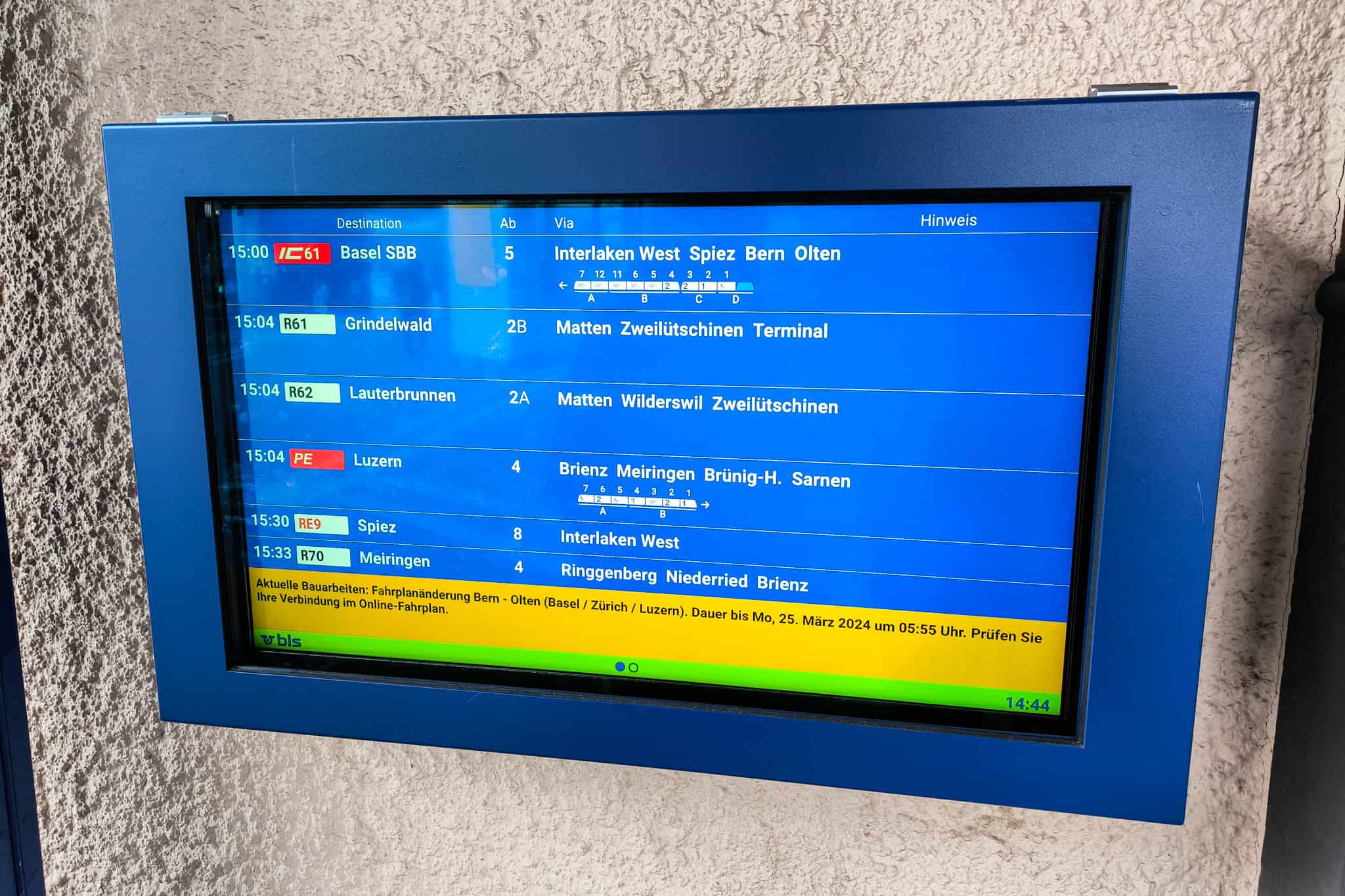
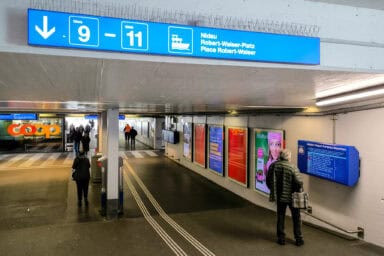
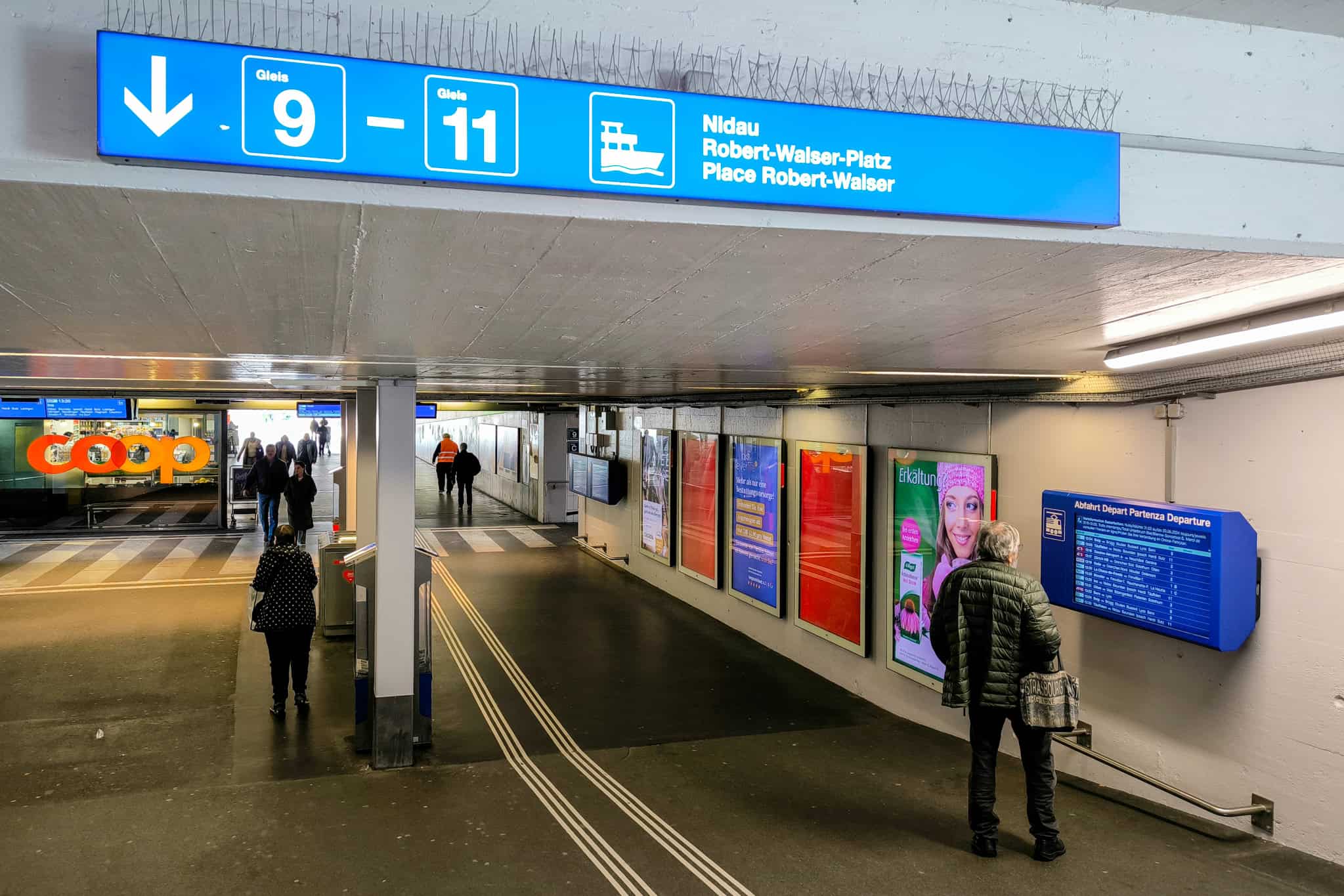
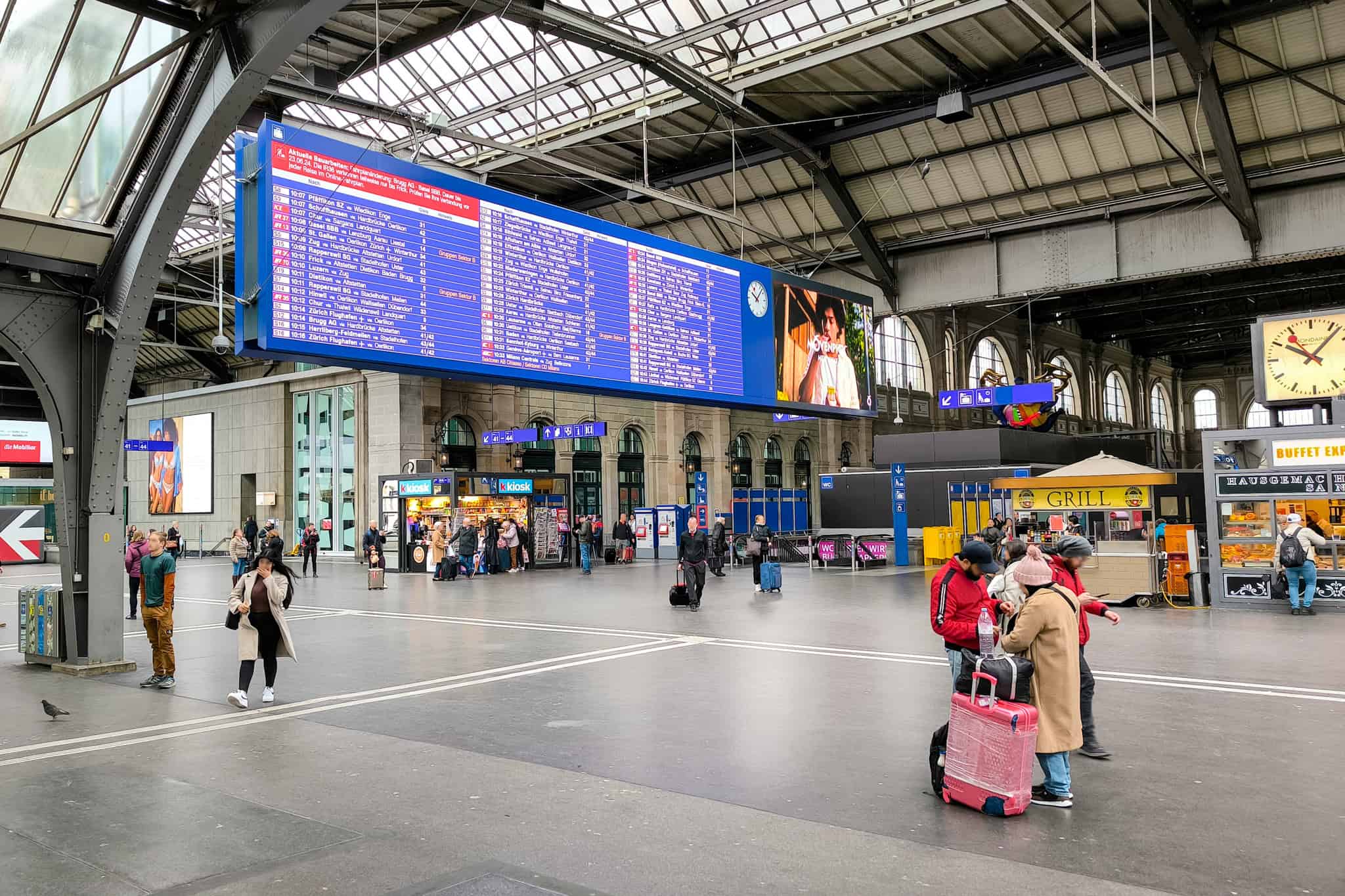
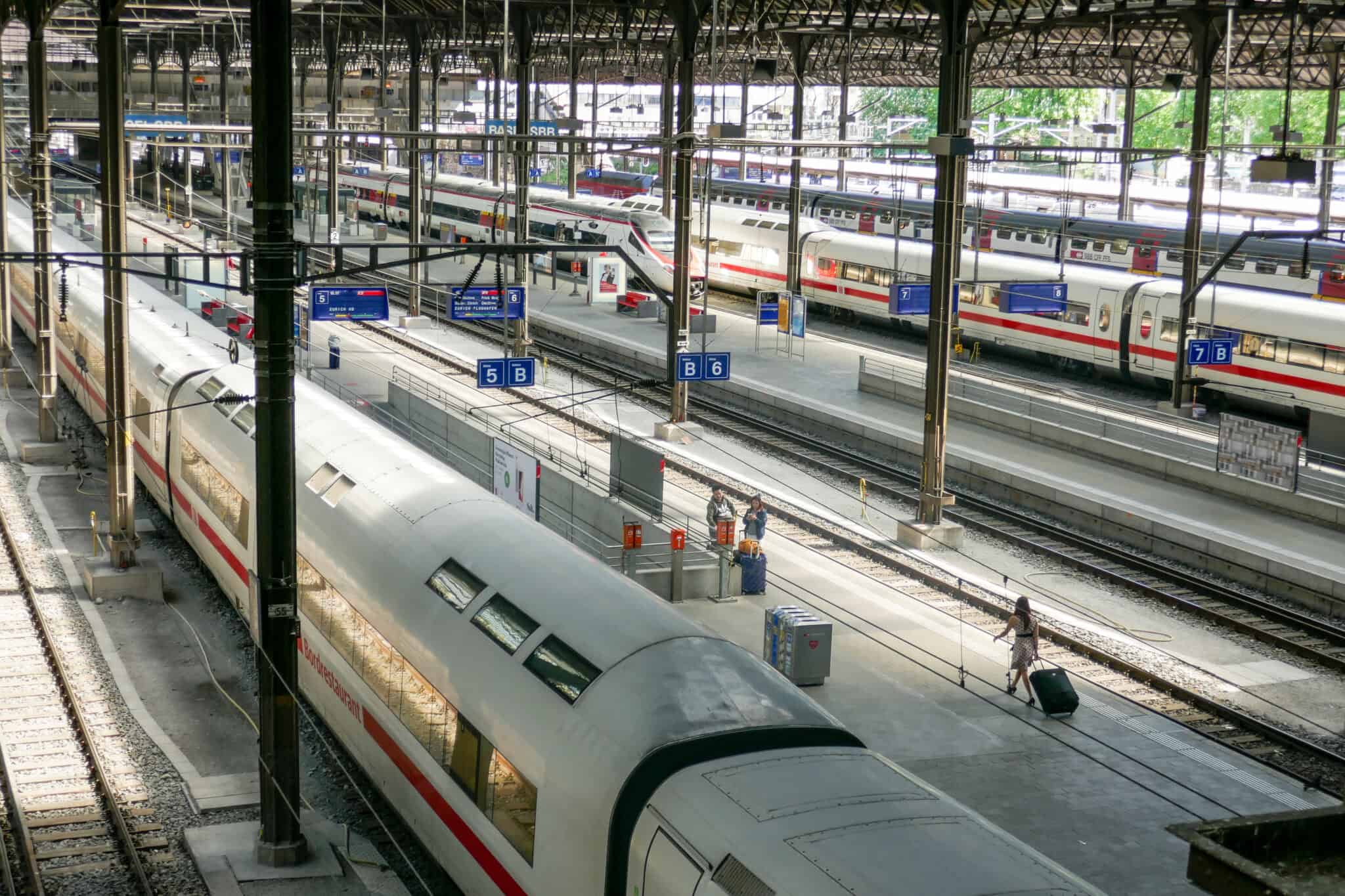
Large stations have multiple platforms, and sometimes multiple floors. Still, it’s not hard to find your train. If you know the departure time of your train and its destination, you can quickly find it on the large blue displays. The trains are listed there, and so is the platform number. Then just follow the blue signs to that platform.
If you want, you can study maps of the larger Swiss rail stations through the resources provided here.


Finding the right position on the platform
At the platform, there are again displays showing the departure time and destination of the next train. In case of a long train, they also show which section (A, B, C, et cetera) of the platform will be the position for 2nd class and 1st class coaches. Learn more about platform sectors here.
Trains that split up: board in the correct section
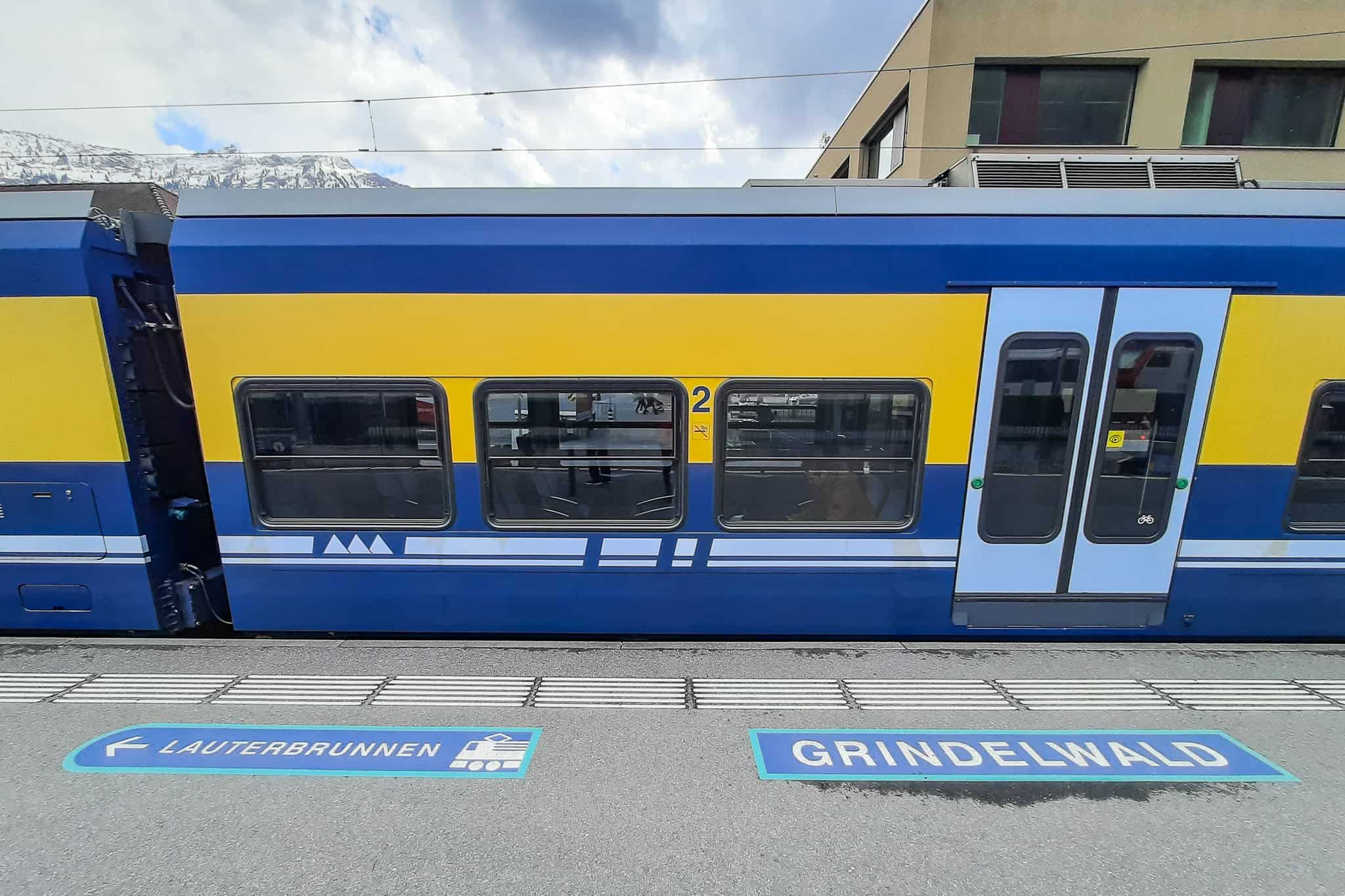
In some cases you need to pay a little more attention. There are a few trains that split during their journey. They stop at a station along the way and split in two sections there: one section continues to one town, the other to another town.
An example is the train from Interlaken Ost into the Jungfrau Region. At the rail station of Zweilütschinen, it splits into one part that continues to Grindelwald, and another one that’s headed for Lauterbrunnen.
So you should be seated in the section bound for your destination. If a train has multiple destinations, you will see so at the platform display and in/on the train coaches.

What if the train is delayed
Swiss trains are normally very punctual. Delays can happen though. The displays at the railway station will show the amount of delay and the expected arrival time. In case of significant delays, there are often intercom announcements as well. They’re usually provided in German, but also in English, especially at the larger rail stations.
If you have to change trains and your first train is delayed, your next one may wait for it. If not, you can simply wait for the next one to your destination. Rail passes and regular train tickets are valid all day.
Exceptions:
- If you have a special kind of ticket with restrictions, such as a Supersaver ticket, this is valid for one specific train and departure time only.
- Seat reservations too are valid for one specific train and departure time only.
In these cases you want to be sure you’ll catch the right train. You can plan your journey with the timetable and avoid tight connections. Even though just a few minutes are usually enough to change trains, you may feel better with some extra margin.
Getting on the train
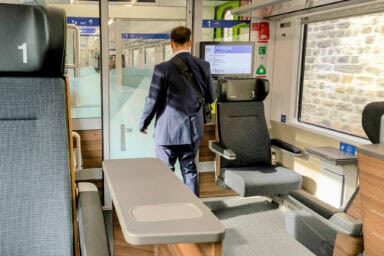
Sit where you want, unless a seat is meant for someone else
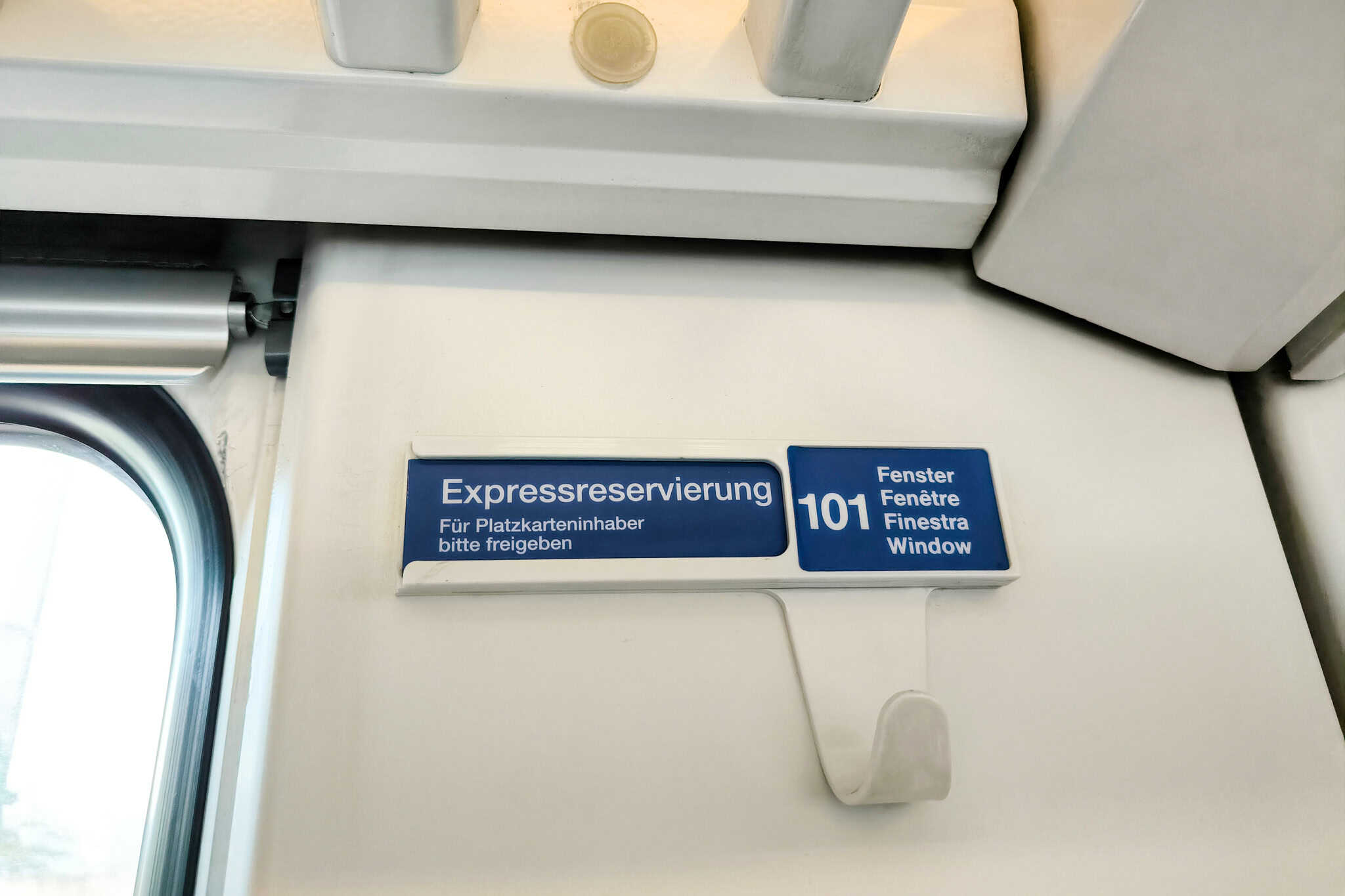
Seat reservations are exceptional in Switzerland. You can sit wherever you like, unless the seat is reserved. If that’s the case, it’s indicated by a small display above the seat, or a sign on the seat itself. But you won’t see this often, except for certain international and panoramic trains.
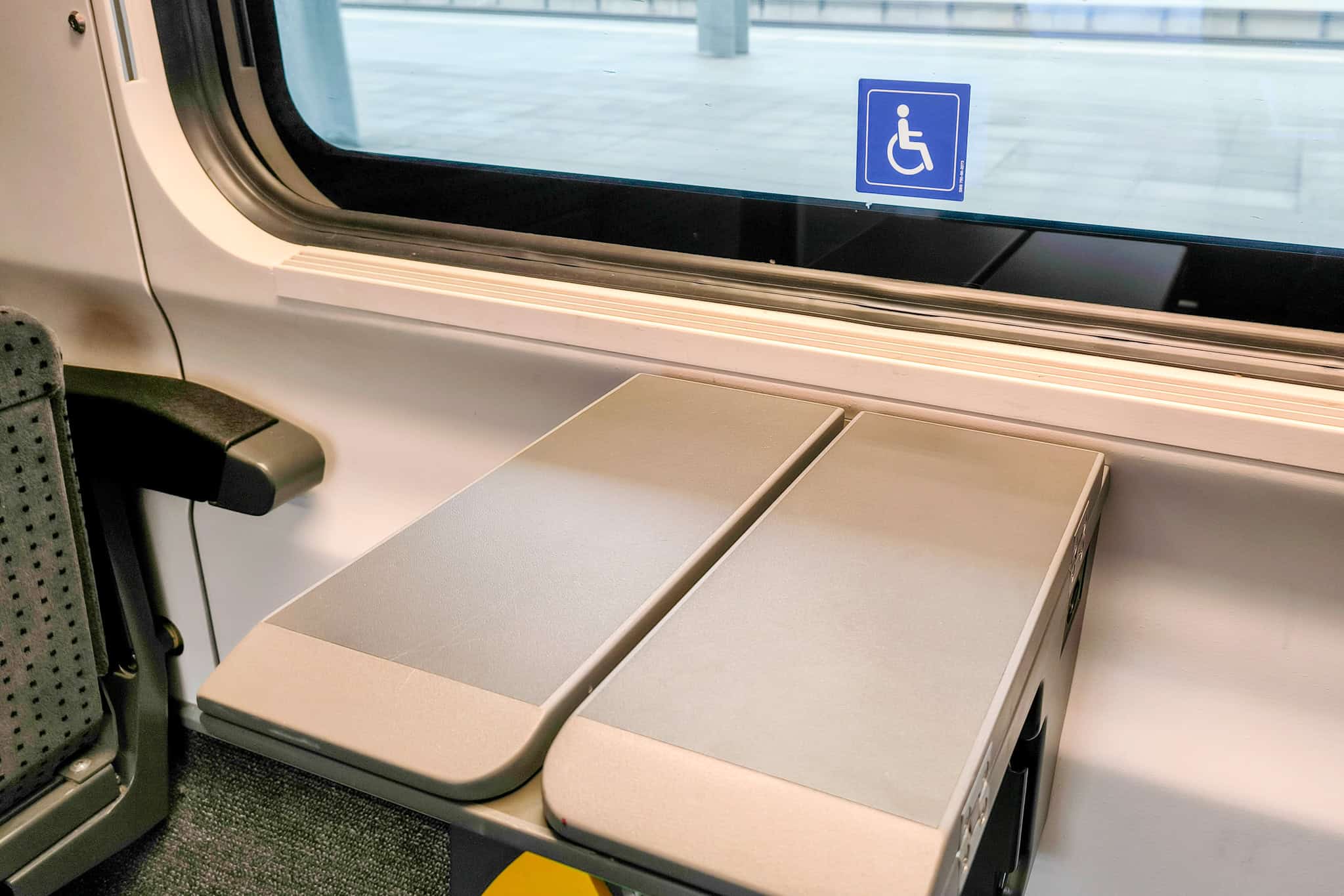
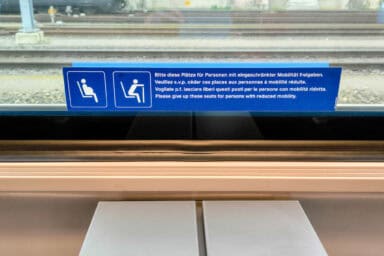
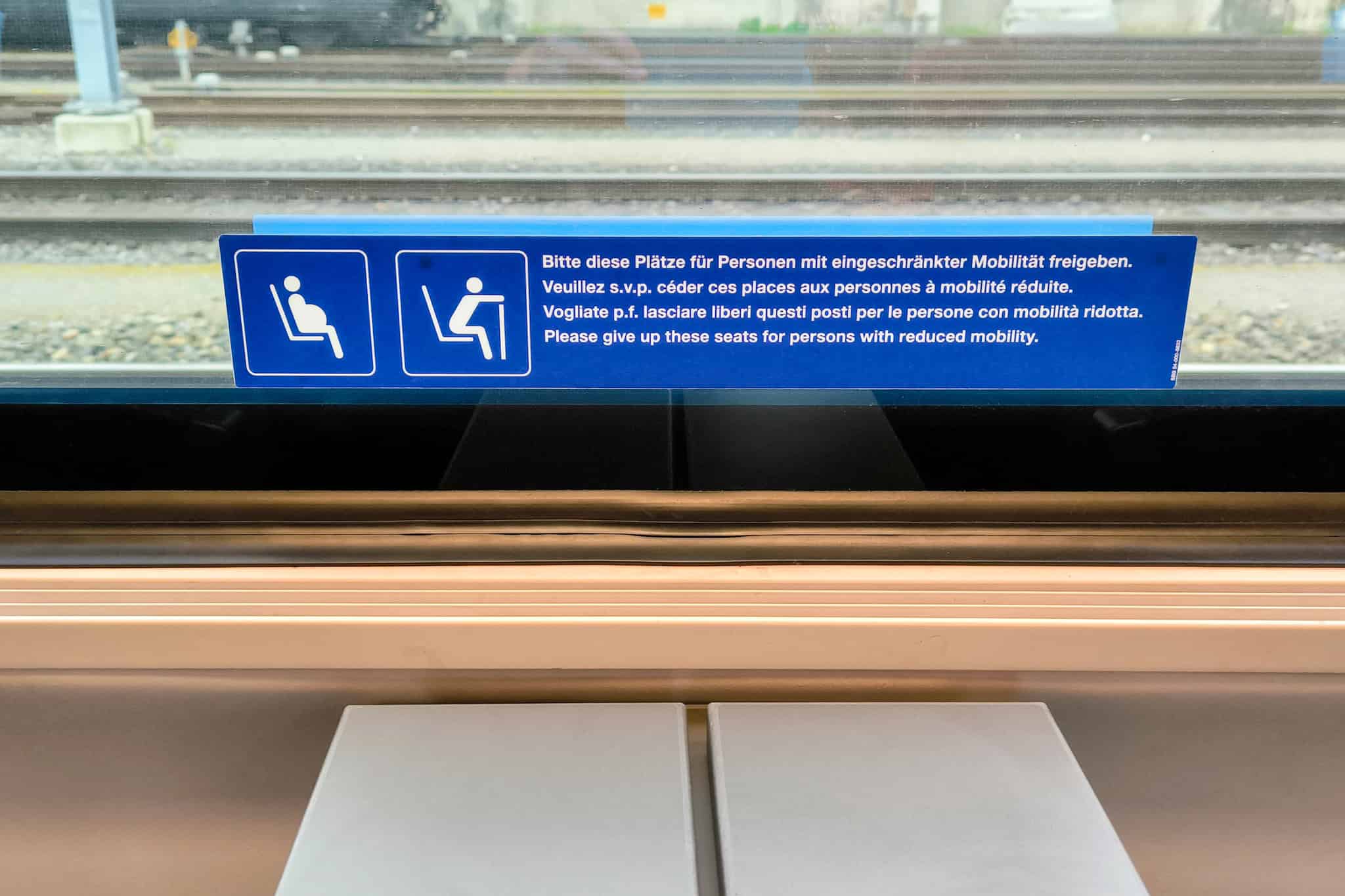
Some seats or areas are designated for travelers with reduced mobility. This is indicated by pictograms and texts. Keep those seats free. If you are seated there, make room if passengers with reduced mobility enter the coach.
Where to sit with a 2nd and 1st class pass or ticket
If you have a 2nd class ticket or rail pass, then sit in the 2nd class coach as indicated inside the train and on the outside too. You can sit anywhere if you have a 1st class ticket or pass. Learn about the class differences here.
Special zones: quiet zones, family zones and business sections
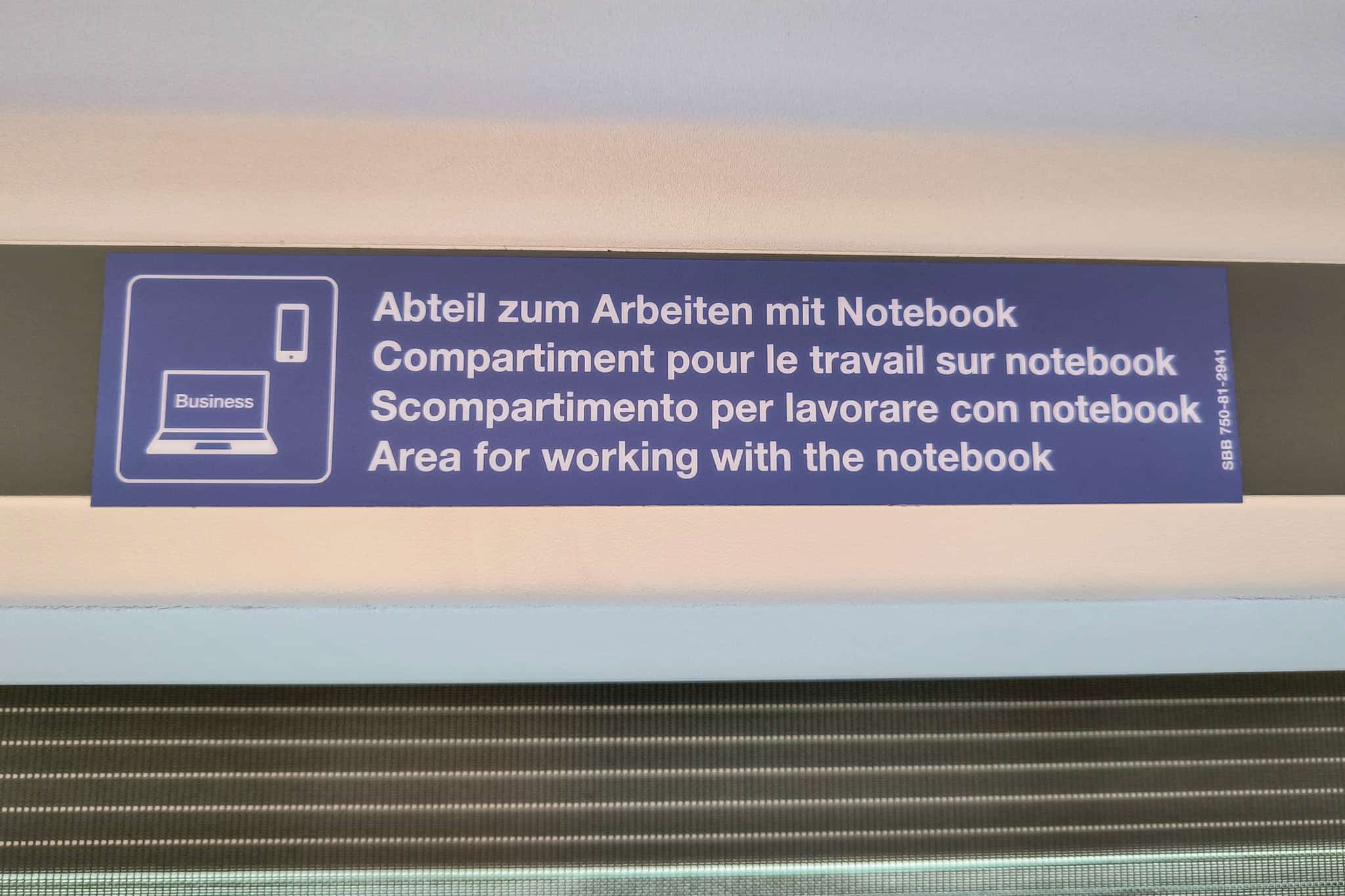
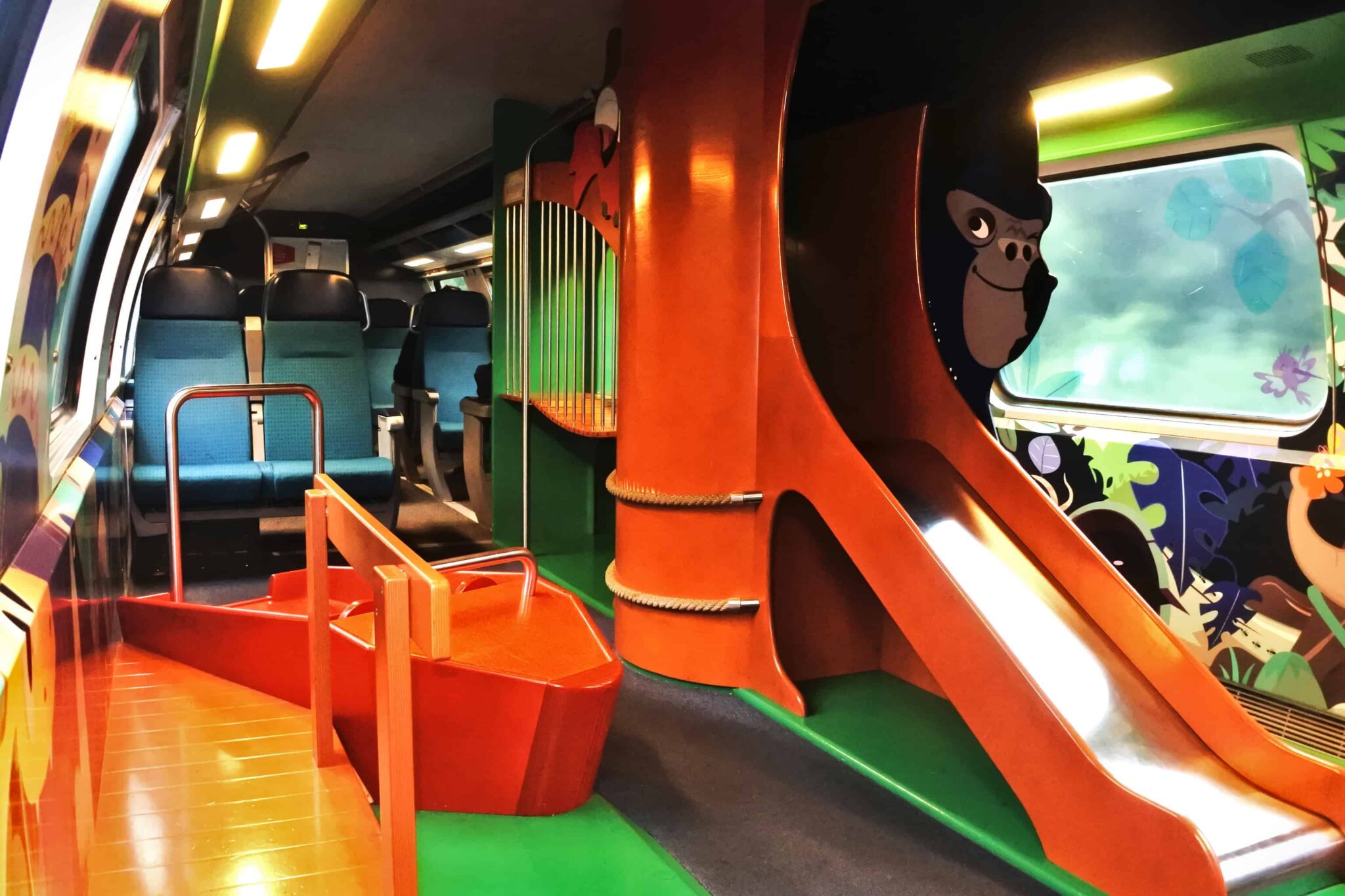
Some trains have quiet zones (where you’re not supposed to talk, call, or cause other kinds of noise), family zones, and business zones. Several trains have restaurant sections too. They’re indicated by clear pictograms. Be sure to sit elsewhere if these zones don’t fit your travel needs.
Getting off the train
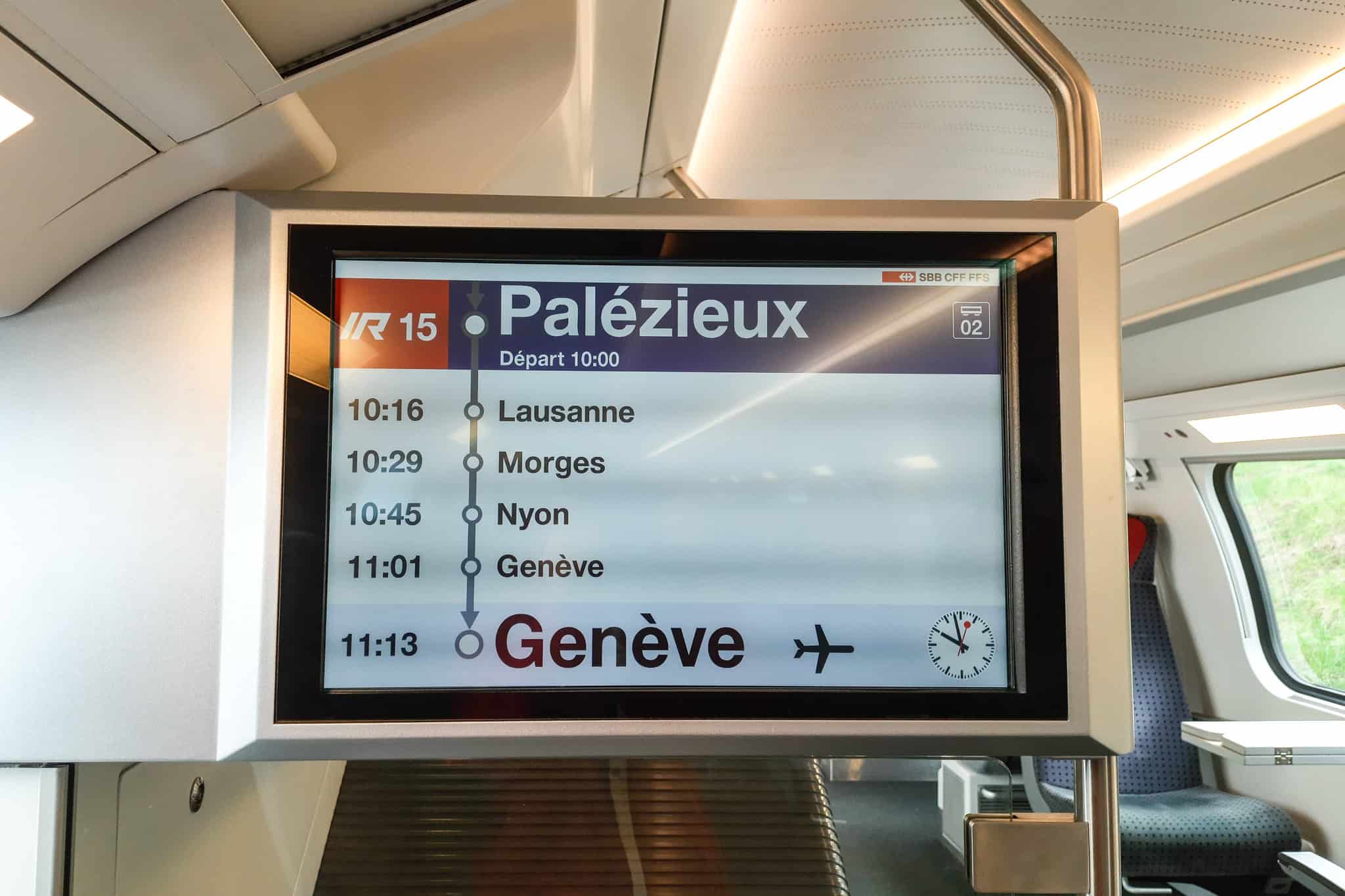
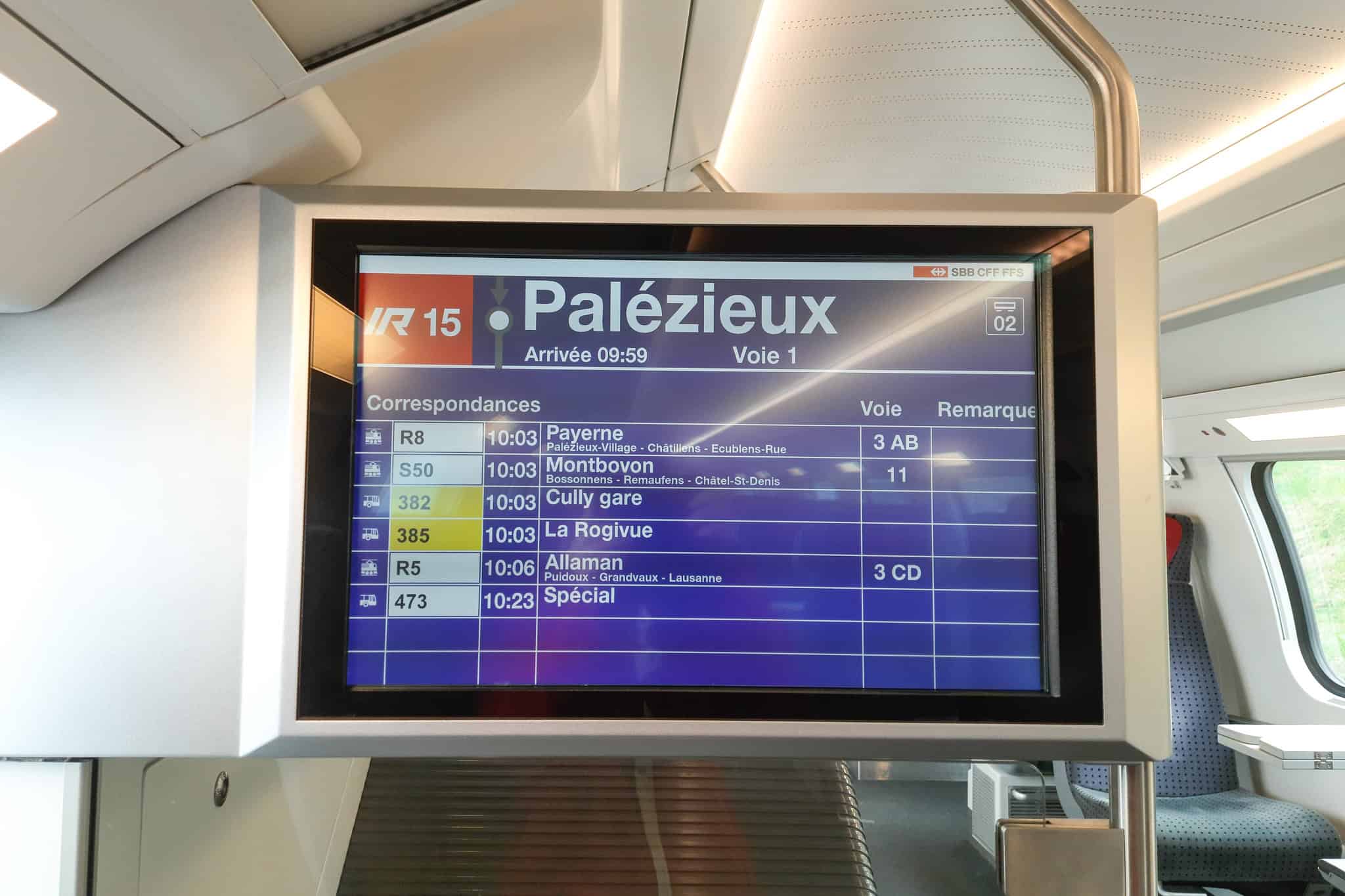
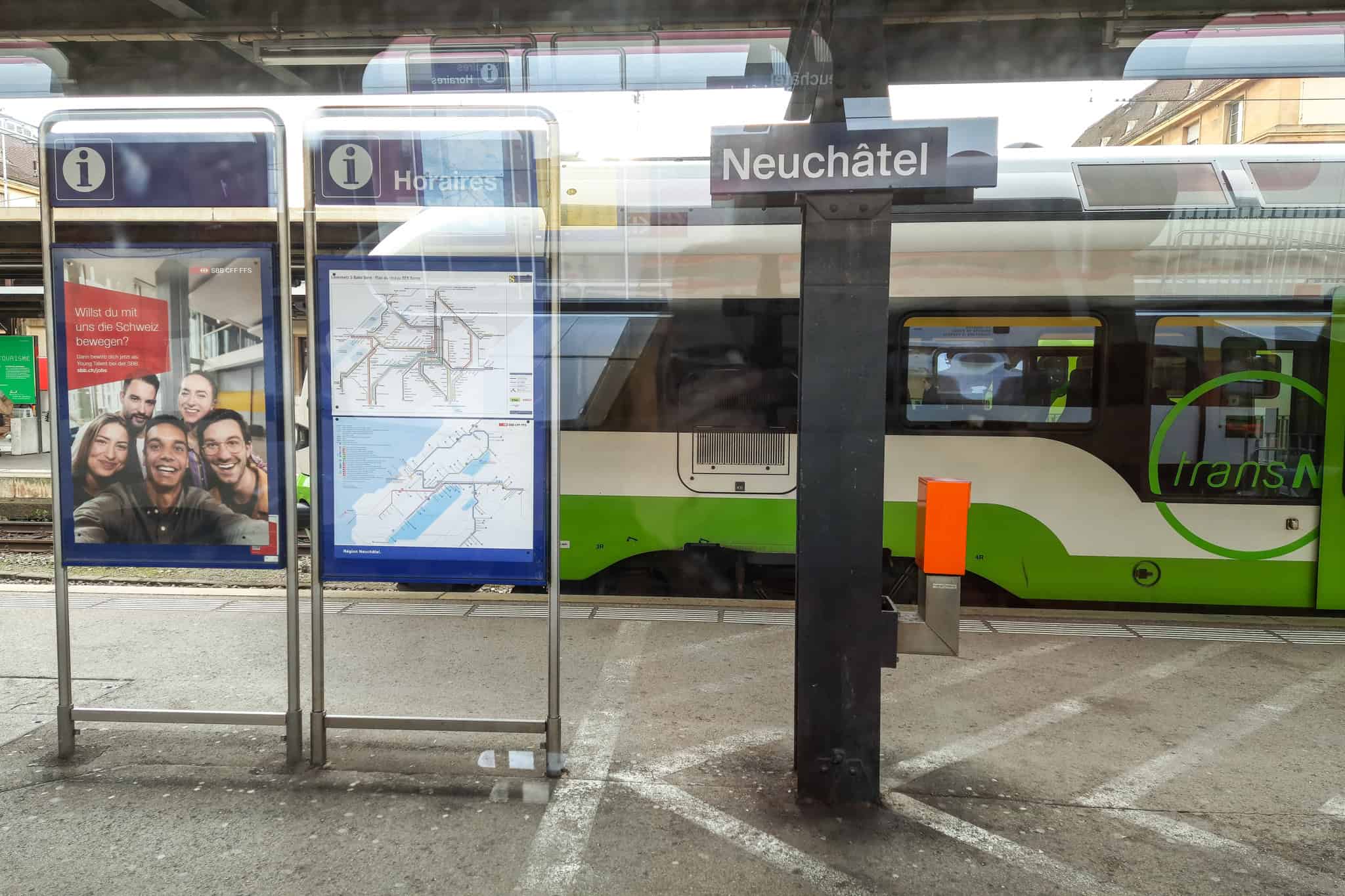
The next station will be announced through the train intercom (mostly in multiple languages) and/or the display in the train. Also, there are signs with the station name on the platforms, so you can double-check as the train pulls into the station.
Regardless of whether you travel with a ticket or a pass, you’re allowed to break your trip along the way and continue traveling later that day, unless your ticket indicates otherwise. Again, Supersaver tickets and seat reservations are valid for one specific train and departure time only.
Request stops
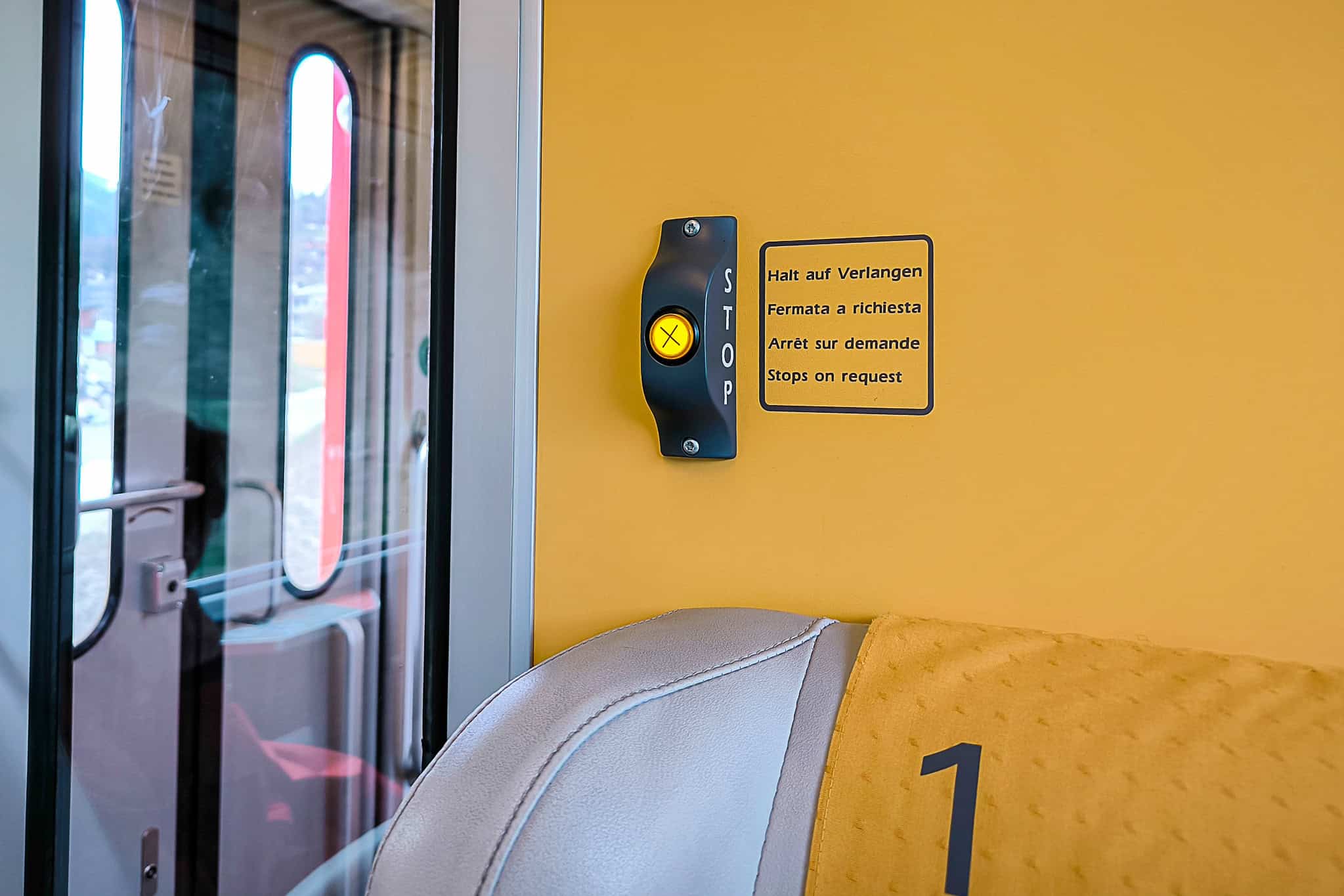
Trains usually stop at all stations as indicated in the timetable. However, some trains only stop on request at small stations. In German, this is called “Halt auf Verlangen” (“stop on request”). The timetable shows whether that’s the case. So do the train intercom and/or displays.
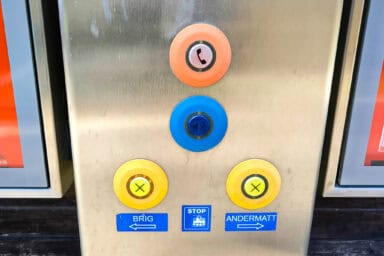
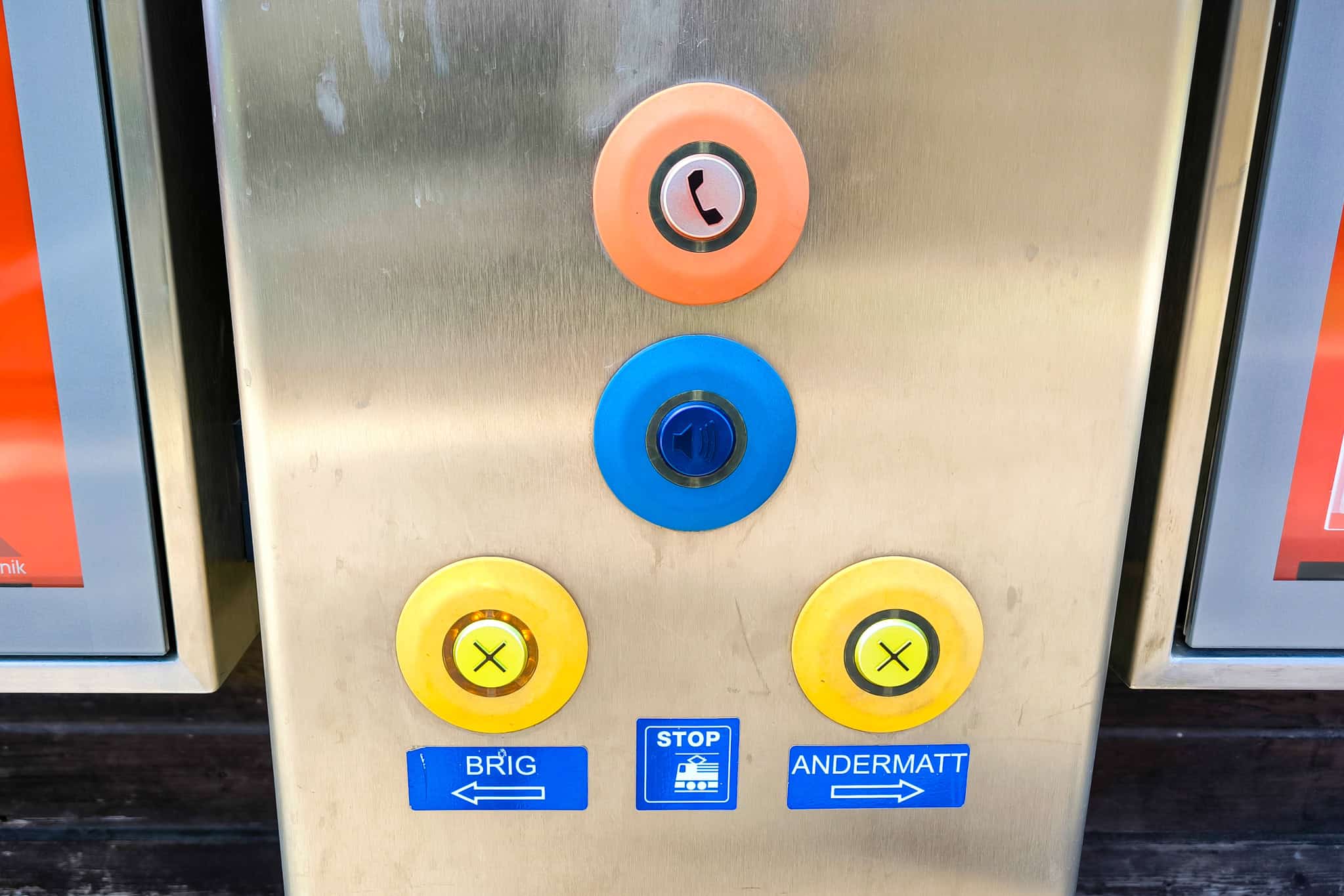
You need to press a button near the doors to signal the train driver that you want to get off. Do so a few minutes before arrival.
There’s also a button at such stations. Press it to request your train to stop for boarding. Do so no later than two minutes before arrival.
Internet and WiFi on trains and at stations
Internet on Swiss trains
The trains are equipped with mobile signal amplifiers. Any phone with internet access can use this improved signal.
You can configure your smartphone as a WiFi hotspot. That allows WiFi-enabled equipment such as a laptop or a tablet to access the internet. Buy an appropriate SIM card or wifi hotspot to save money.
Alternatively, SBB FreeSurf is available on long-distance trains. You need the SBB FreeSurf app and a Sunrise or Swisscom SIM card to use it. Trains with FreeSurf are marked with “FS” in the timetable.
WiFi on international trains
Most trains from Switzerland to Milan (Italy) and some from Zurich to Munich (Germany) have free on-board WiFi. The network is called “SBB-FREE”.
On-board WiFi works similarly to WiFi at the station.
WiFi at Swiss rail stations
About 80 Swiss rail stations, including the ones in all larger towns, offer free WiFi. You only have to register once. After that, you can use free WiFi on all equipped stations for 12 months. This is how it works:
- Connect your phone to the network “SBB-FREE”.
- Open your browser and go to any website.
- You’ll be redirected to a registration page.
- Register. You’ll receive an SMS with a registration code that needs to be entered. So be sure that you have a phone with a SIM card that is able to receive the SMS.
WiFi on buses, boats, and other public transport
Internet on Swiss Postbuses
Many Swiss Postbuses offer free WiFi. All you need is a one-time registration via SMS. You can arrange for this while you’re on the bus.
Internet on other buses and other travel modes
Mobile internet is available in nearly all inhabited areas. So you can use regular network providers during most of your trips by bus, boat, and mountain transport.
Don’t expect internet to be available in remote areas. If internet connectivity is important to you, be sure to arrange for a Swiss SIM card or mobile hotspot to have the best possible coverage.
Charging your devices
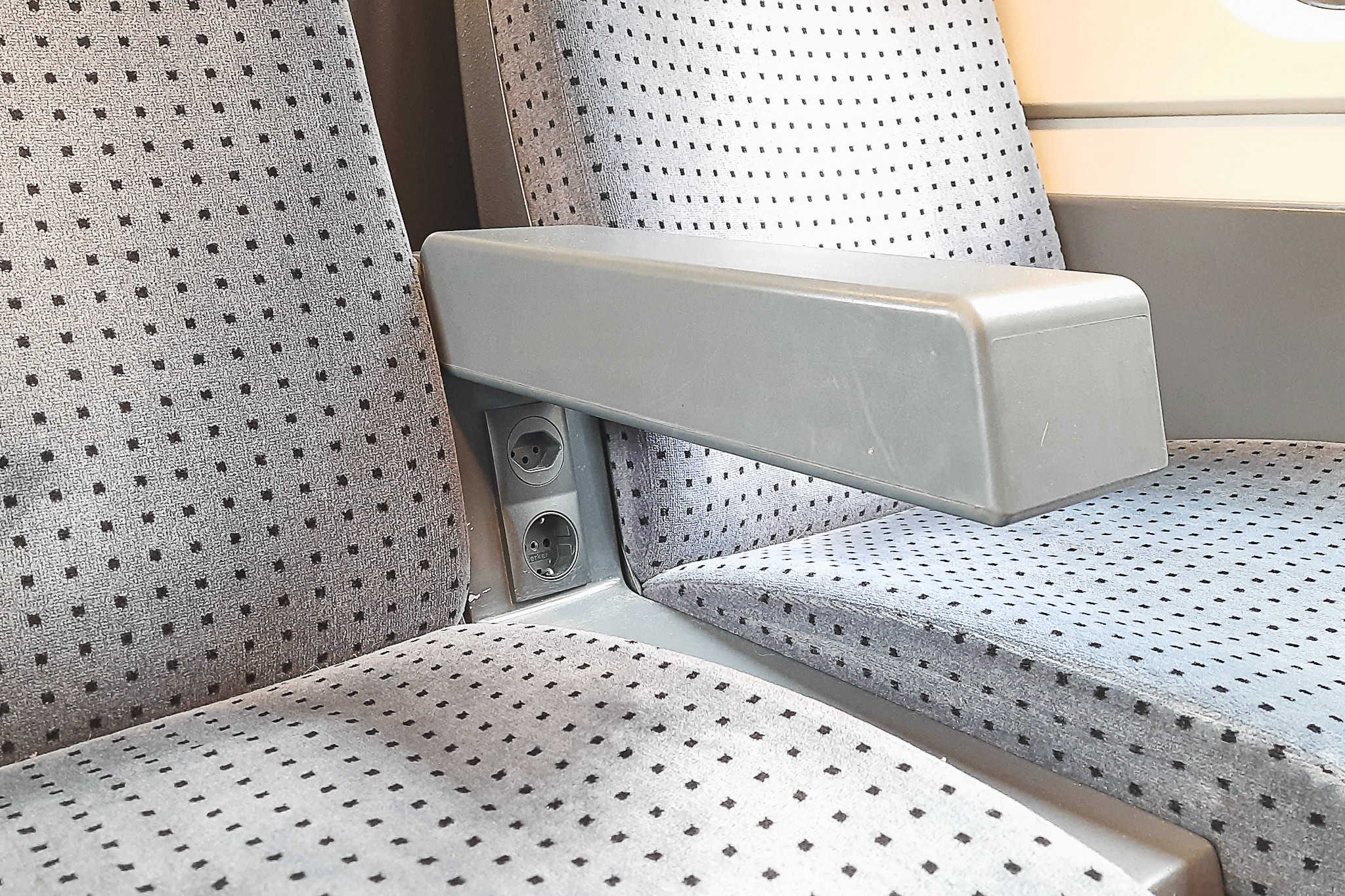
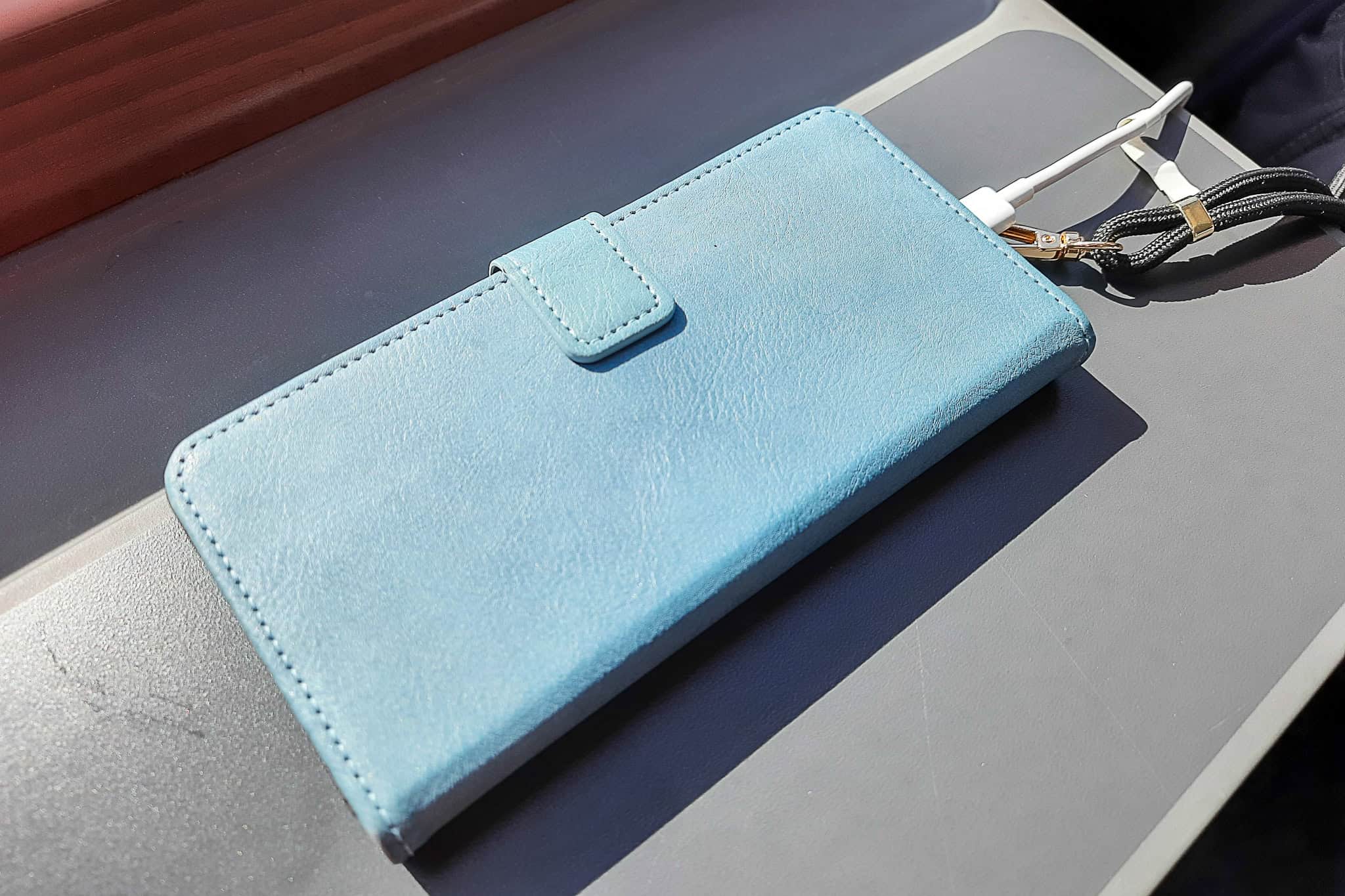
Most Swiss trains have power outlets, so you can charge your mobile phone and other devices while traveling. Power outlets can be located between or beneath seats, or on the walls below the windows.

Travel apps
Apps to use for public transport
These pages and apps are useful while traveling by public transport in Switzerland:
- Public transport timetable for all trains, buses, boats and mountain rides: www.myswissalps.com/travel/public-transport/timetable or the SBB Android app or SBB iOS app
- Rail traffic disruptions: www.sbb.ch
- Traveling by public transport: Swiss Travel Guide app for Android
- Buying train tickets: www.myswissalps.com/travel/tickets, or the SBB app (see above)
Apps to navigate and find addresses
- Detailed maps with positioning system, compass, hiking and biking routes and much more: SwitzerlandMobility
- Detailed maps by the official Swisstopo National Maps: Swisstopo
- Addresses, businesses, shops and timetables for your location: App.search.ch
Apps to stay informed while traveling
- Disasters and emergencies: AlertSwiss
- News: SwissInfo
Apps to consult weather forecasts during your travels
Please check the weather forecast page for the apps Annika and I recommend.
There’s more than one Swiss train company!
The SBB and other companies
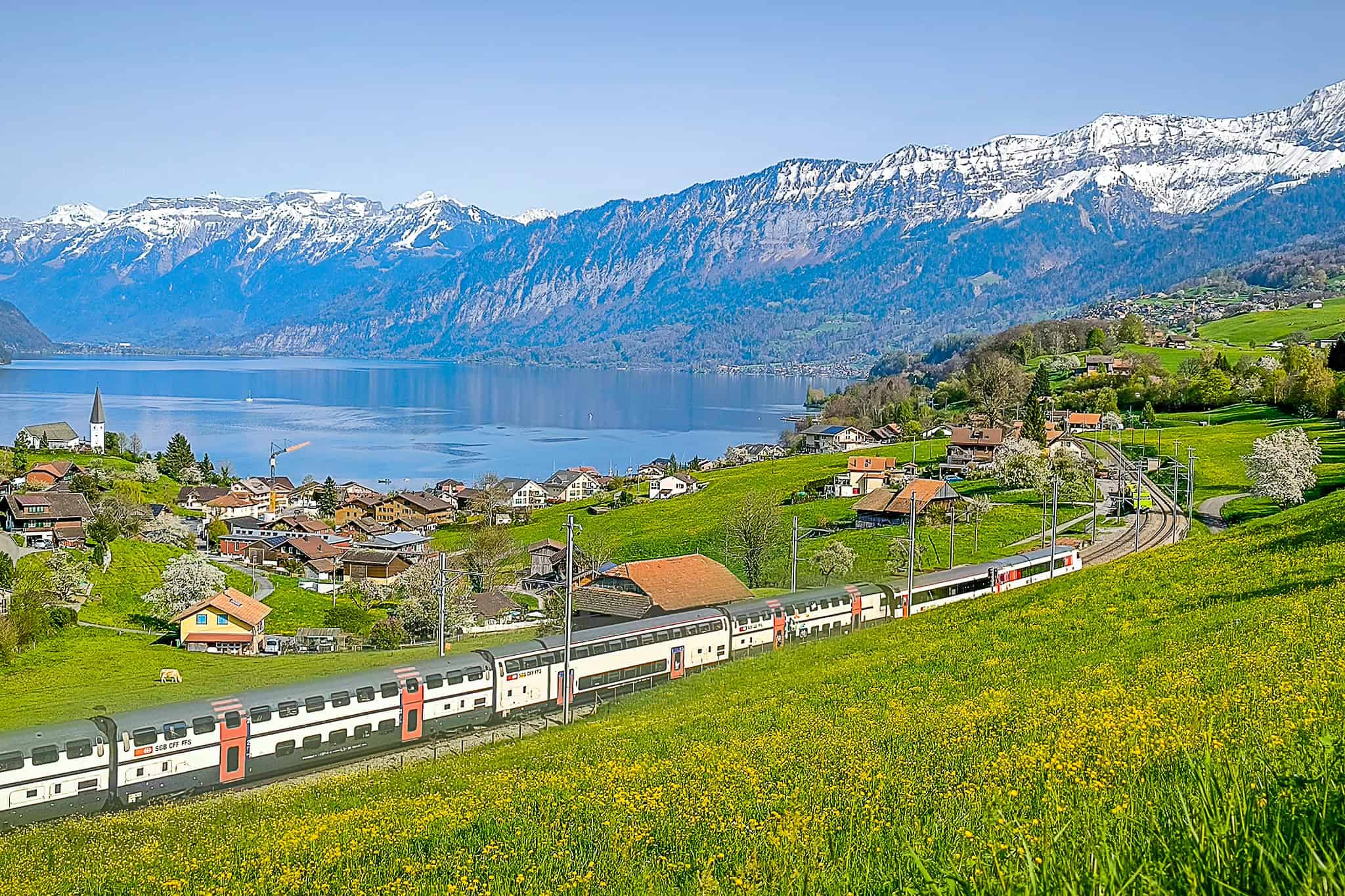
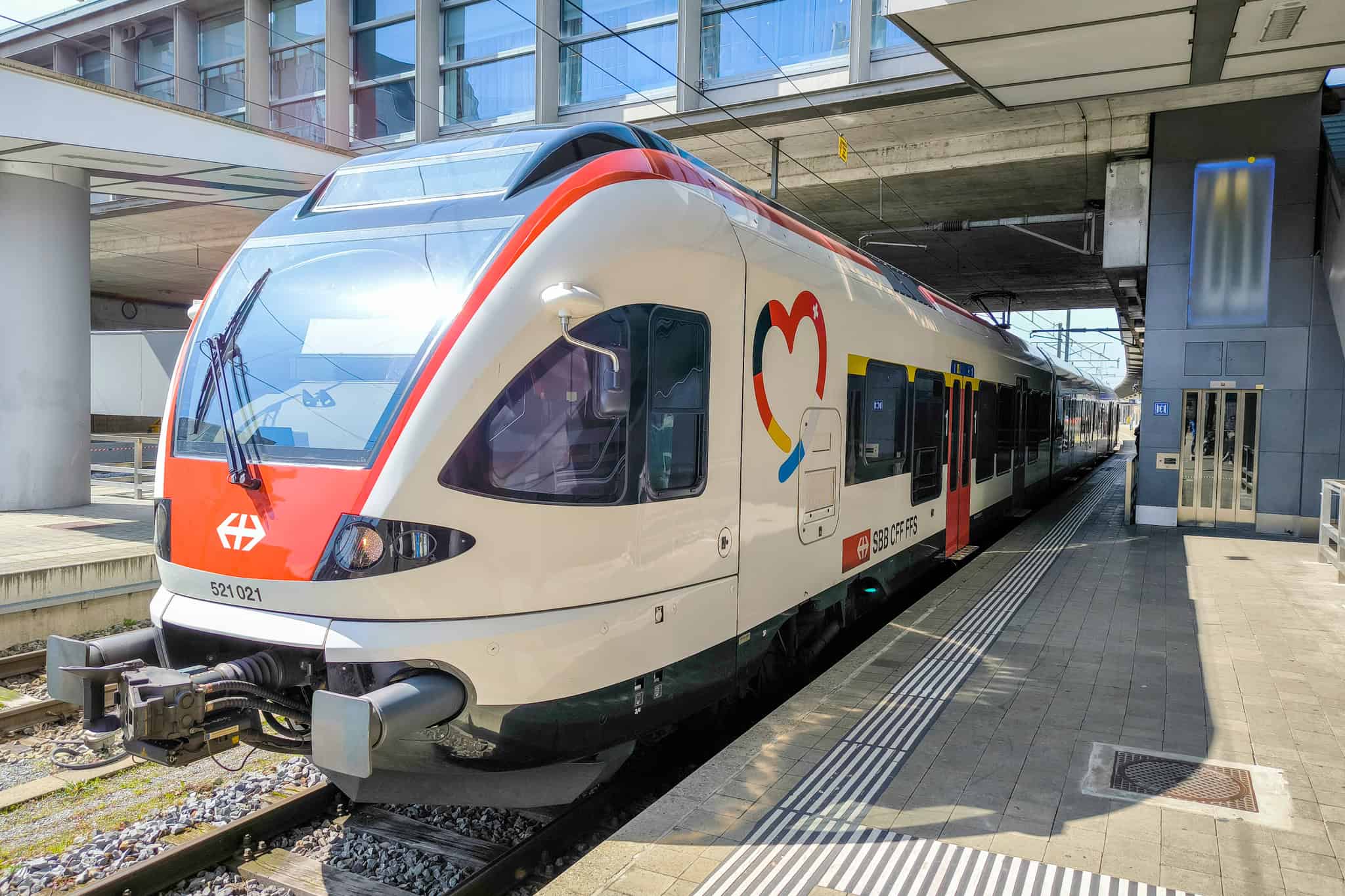
Switzerland has its Swiss Federal Railways, called SBB which stands for “Schweizerische Bundesbahnen” (in German), CFF (in French) or FFS (in Italian). The SBB don’t service the whole country. There are many more railway, bus, boat, and mountain transport companies.
How multiple types of public transport form one large network
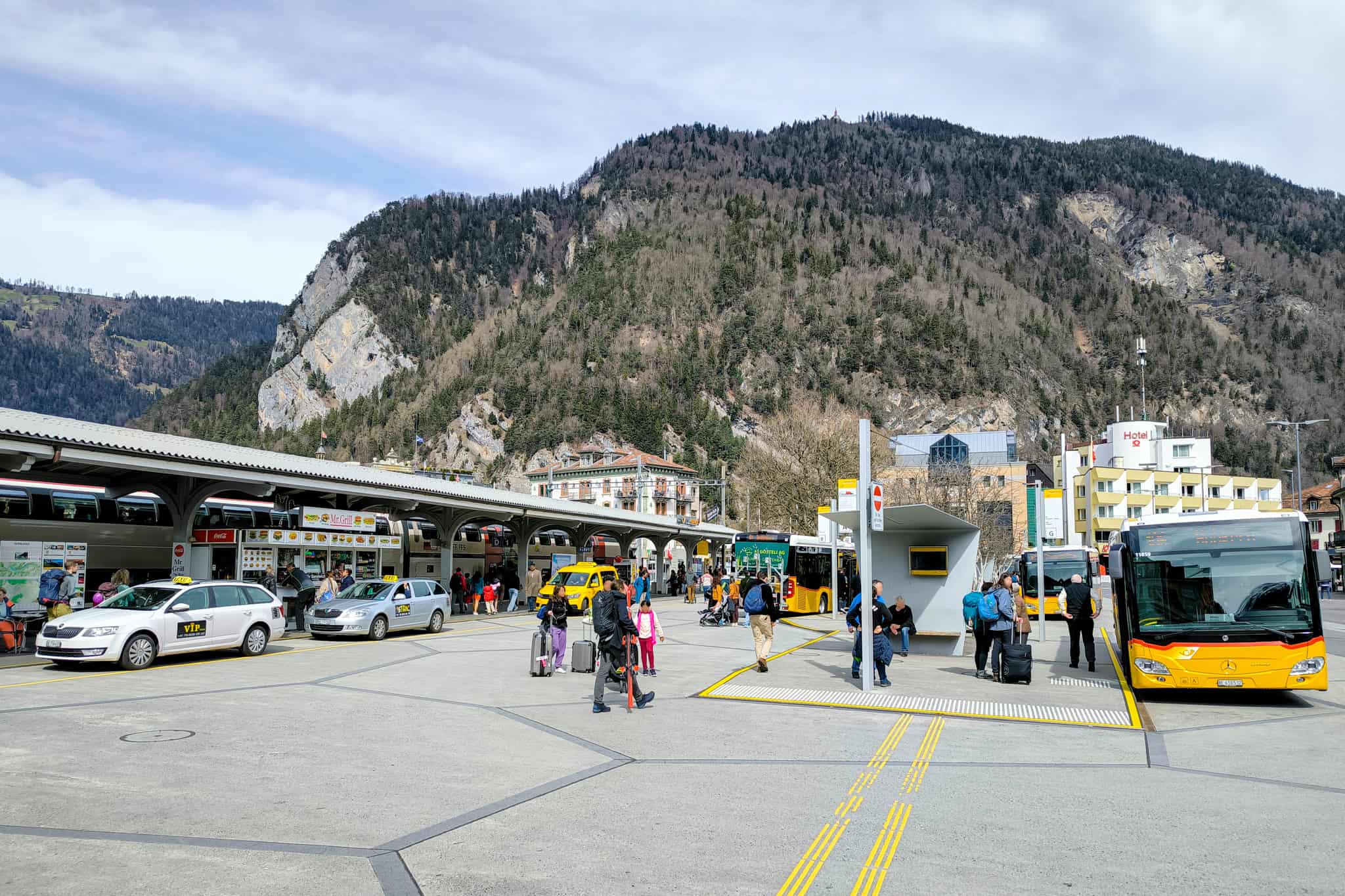
For you as a traveler, it’s not relevant to know which company services which route. All transport types and companies work together and form the public transport network of Switzerland. This is how:
- Trains are the main way to travel between towns and villages.
- Buses transport to you smaller villages and more remote areas.
- Cable cars, cogwheel trains, and funiculars transport you to the mountain tops.
- Urban transport consists of buses, trams and local trains. Each city can have its own regional or urban companies.
- There are frequent boat services on most larger lakes.
On most routes, there’s only one travel mode (for example bus or train). So there isn’t really a choice. You just travel with what’s available on your route.
How multiple companies work together
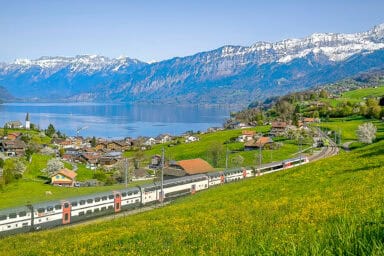
Many rail, bus, boat, and mountain stretches are operated by just one company. On other stretches, several train types and several transport companies operate. This doesn’t matter for you as a traveler either.
You just use the transport that’s available on your route and that fits your schedule. And as a consequence, you’re traveling with its company. The transport types can all be found in the timetable. The companies are not mentioned in the timetable, as this information isn’t relevant for travelers.

Is one company more expensive than the other?
No. There are fixed prices for each route, regardless of the company. For example: between Bern and Thun, there are trains operated by the Swiss national company SBB, but also by the regional company BLS. The price is the same, no matter which train you use.
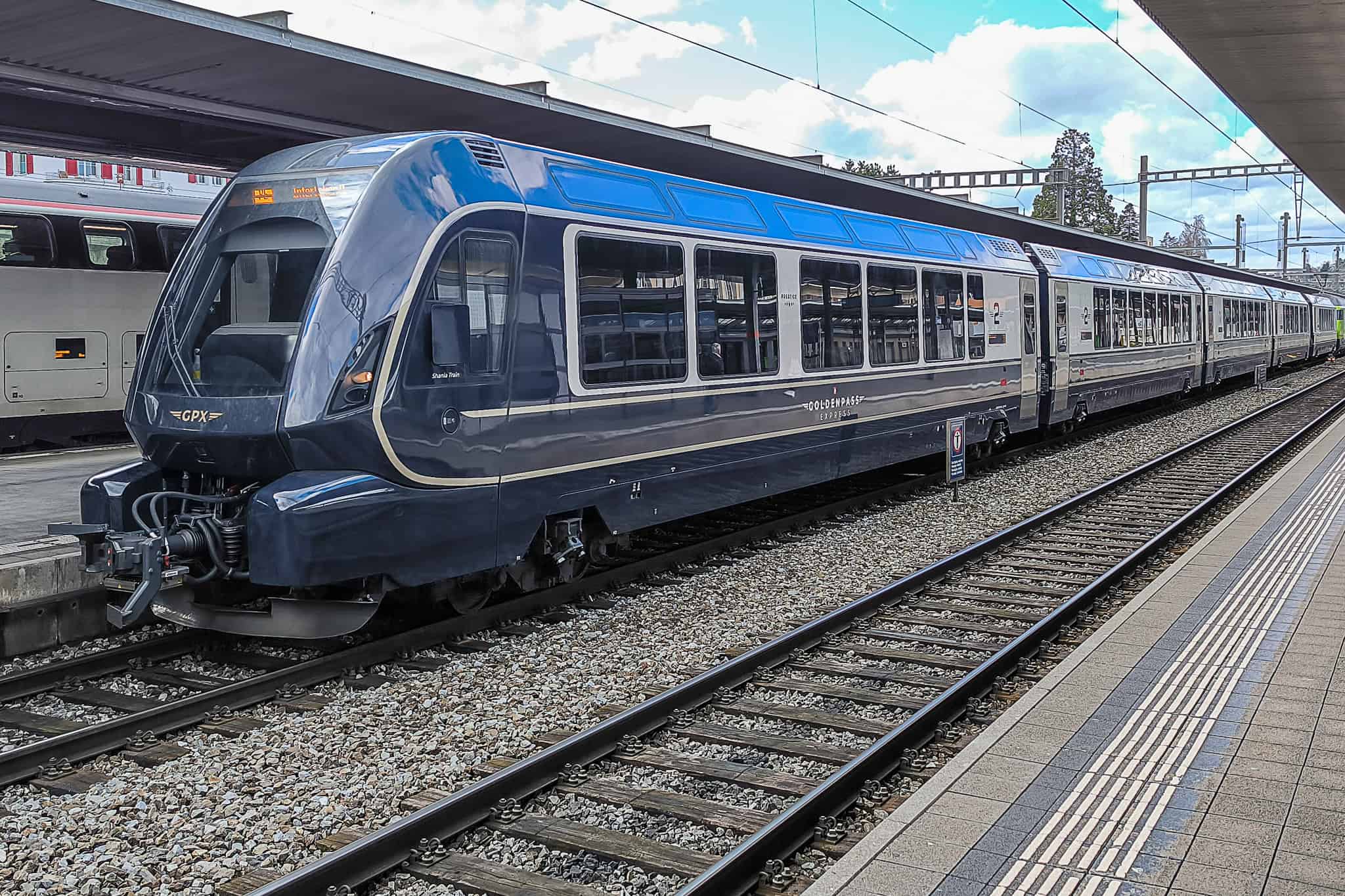
There are only a few exceptions: special panoramic or international trains for which you need additional seat reservations. An example: between Interlaken Ost and Zweisimmen, you can travel by:
- either normal regional trains, operated by the company BLS, for which you don’t need reservations;
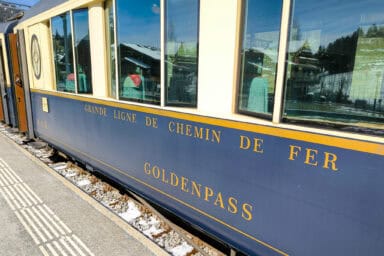
- or the panoramic GoldenPass Express, operated by a cooperation of the companies MOB and BLS. For most classes, reservations are recommended, and for the luxury Prestige class it’s required. So in this train, you’ll probably pay more than when traveling by normal trains. But the price difference depends on the train types and their amenities, not on their companies.
Is my ticket valid for all train companies?
Normal point-to-point tickets are purchased for a route, and they are valid for all types of transport and all operators on that route.
You do have to stick to the route specified on your ticket. That’s because there can be several routes to travel from A to B. For example: you can travel from Montreux to Bern via:
- Lausanne and Fribourg, or
- Neuchâtel, or
- Visp and Spiez, or
- Gstaad and Zweisimmen (the GoldenPass route).
All routes have different durations, operators, and prices. The operators don’t matter for your ticket, but the length of the routes and their prices do. So point-to-point tickets should be used for one route only: the one indicated on the ticket.
Is my rail pass valid for all companies?
Rail passes are valid for either all of Switzerland or one region. They can be used for all trains, buses, and other transport on the covered routes, regardless of the respective companies. The validity maps that you can find on each of our rail pass pages show where you can travel for free or with discounts.
Only a few exceptions apply to the above rules. A few panoramic and international trains require additional seat reservations, and just a ticket or rail pass won’t be enough.
Switzerland’s main railway companies
There are too many companies to list here, but some of the major ones and the areas that they service are:
- Swiss Federal Railways (SBB, throughout the country): www.sbb.ch
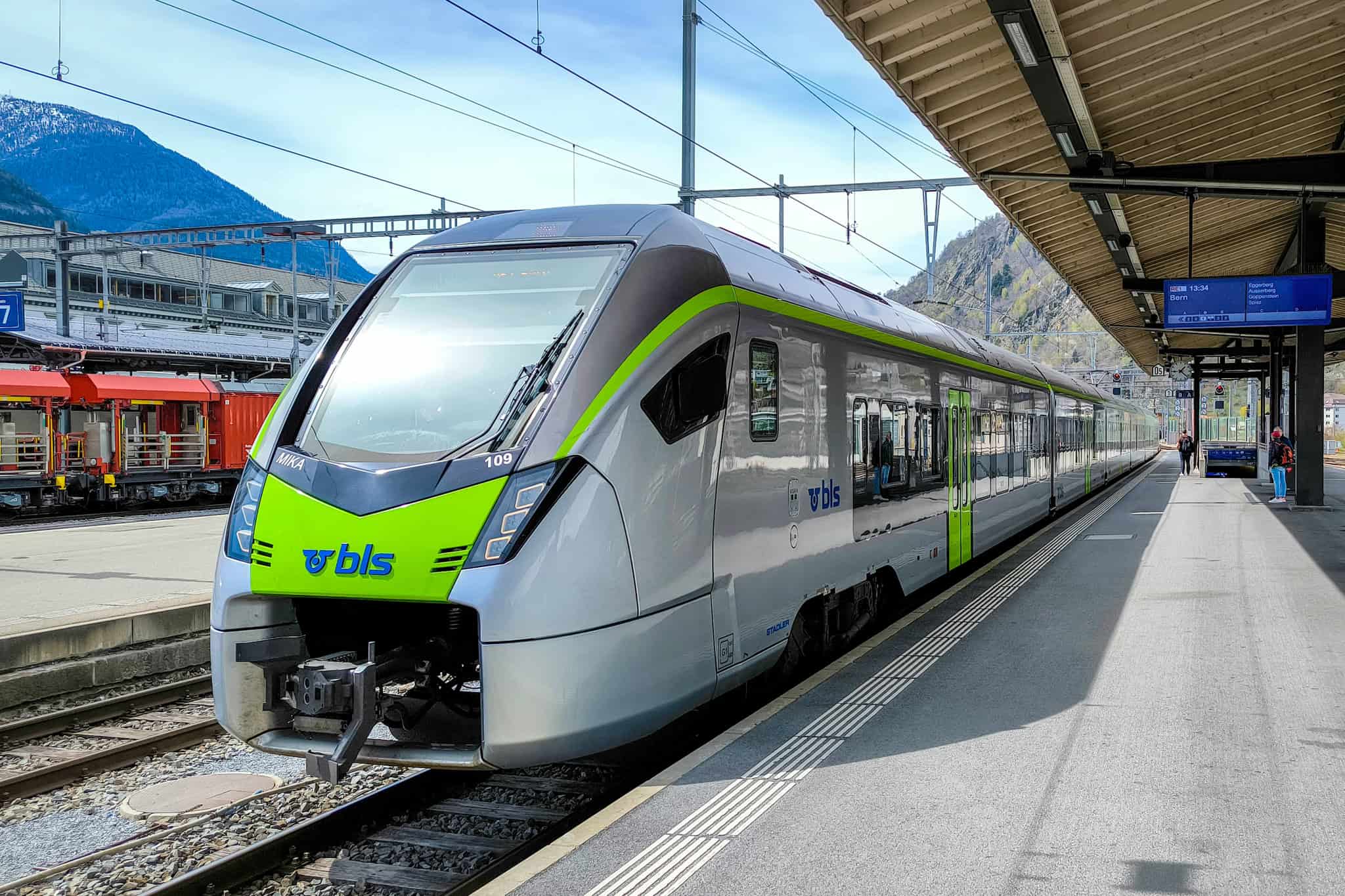
- Bern Lötschberg Simplon Railway (BLS, roughly between Biel, Bern, Solothurn, Lucerne, and Visp): www.bls.ch
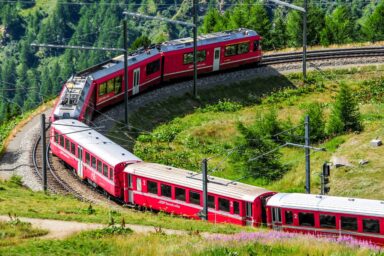
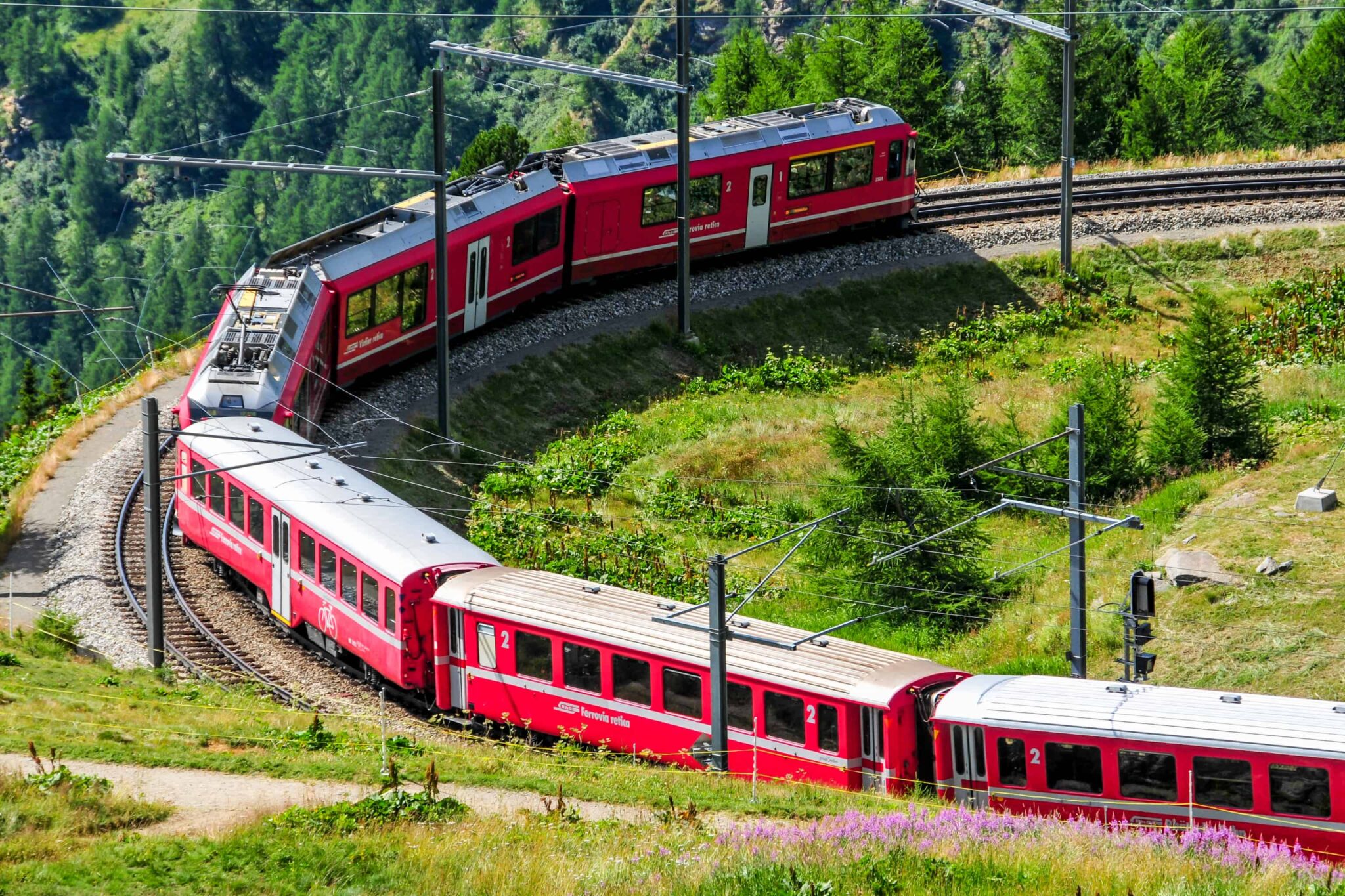
- Rhätische Bahn or Rhaetian Railways (RhB, in Graubünden): www.rhb.ch
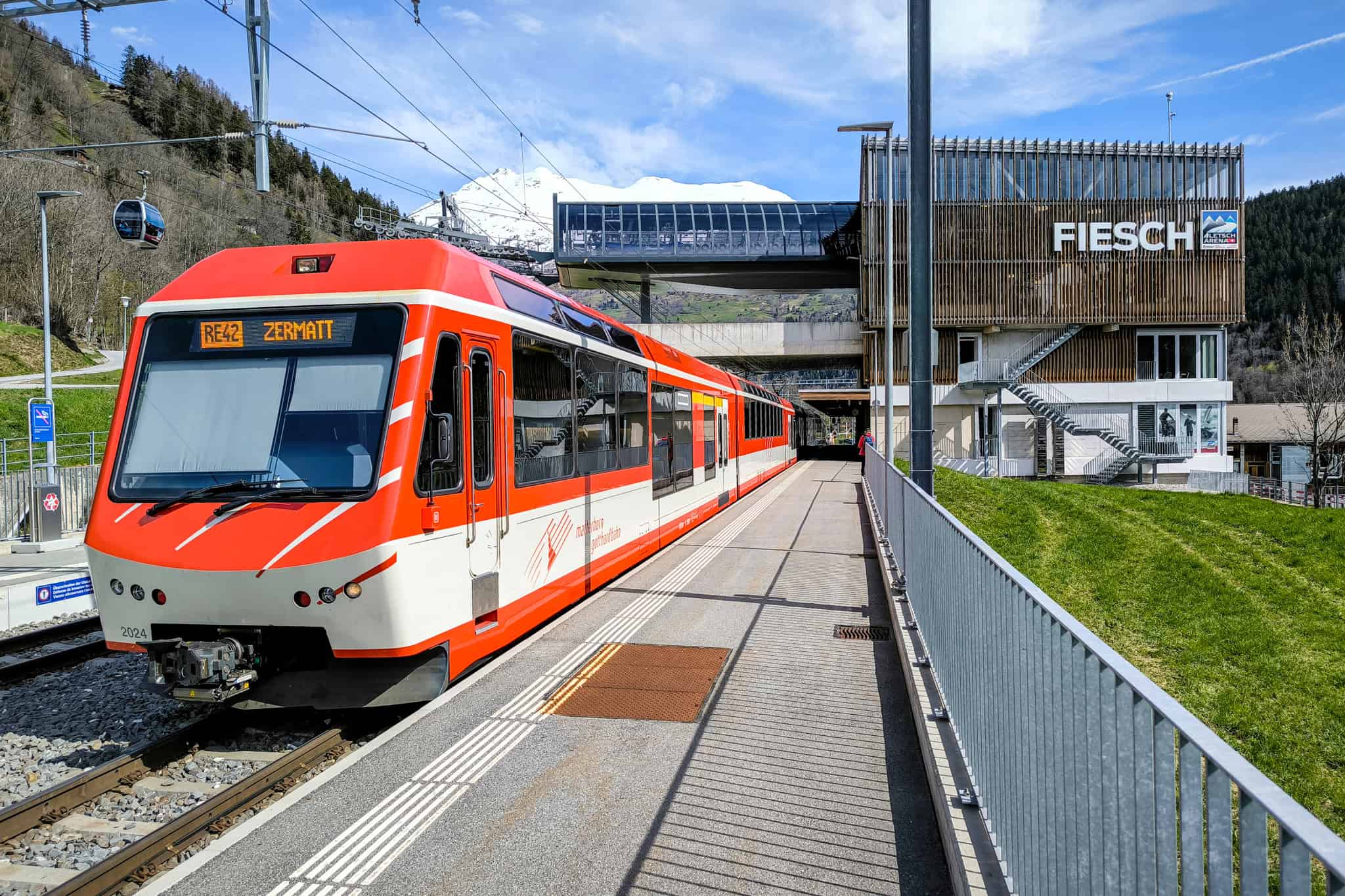
- Matterhorn Gotthard Railway (MGB, mostly in the Valais): www.matterhorngotthardbahn.ch
- Montreux–Oberland Bernois Railway (MOB, roughly between Interlaken and Montreux): www.mob.ch
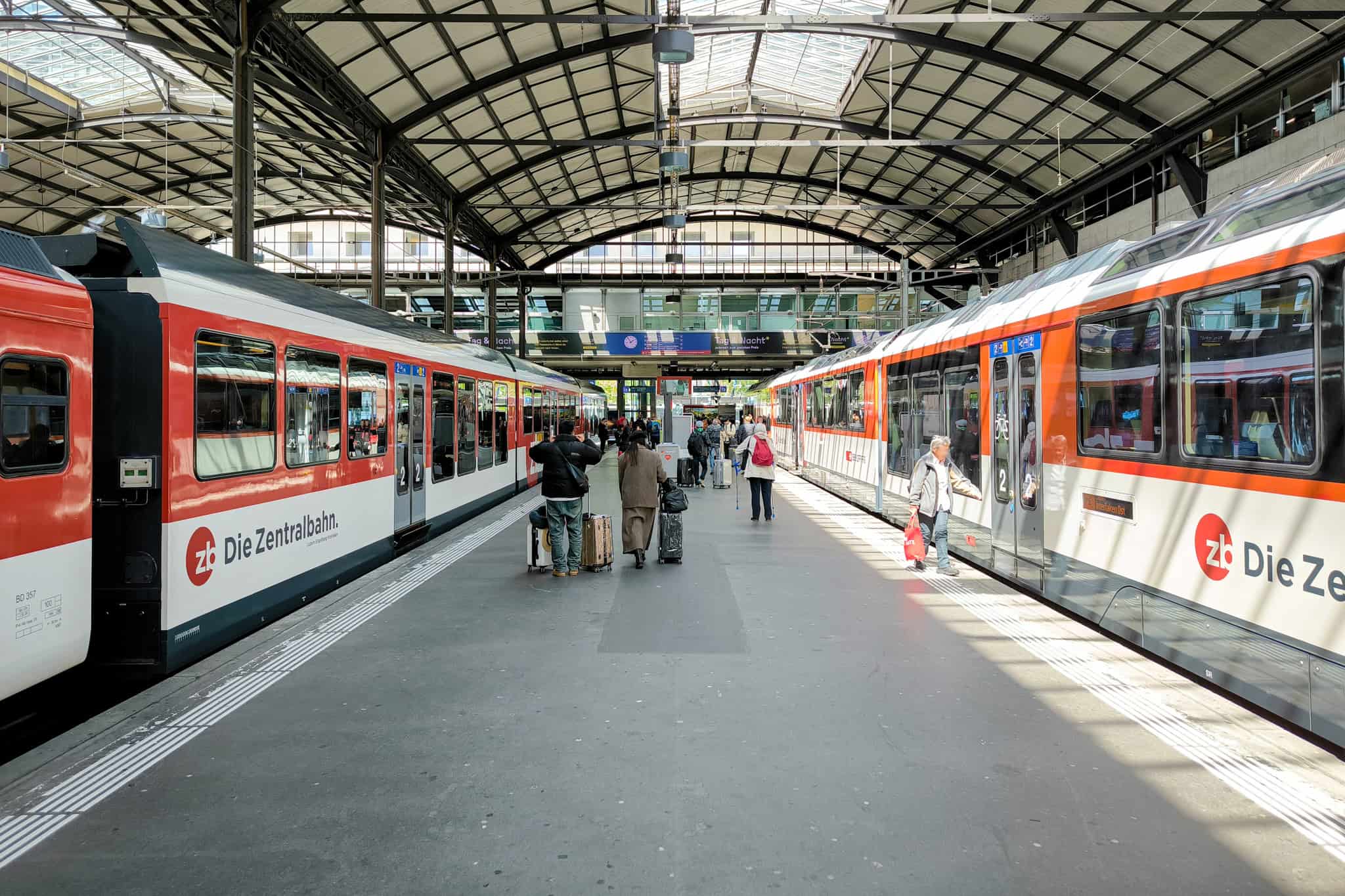
- Die Zentralbahn (Zb, roughly between Lucerne, Engelberg, Interlaken and Innertkirchen): www.zentralbahn.ch
Switzerland’s other transport companies
In addition to railway companies, there are many other transport companies in Switzerland. They operate lake boats, urban tram and bus networks, regional train lines, mountain routes, and so on. You’ll find relevant information on each of our activity pages.
How to travel like a local on Swiss trains
Train travel in Switzerland is a great experience, especially if all passengers take each other into account.
Your fellow travelers will appreciate it if you stick to a few basic rules:
- Allow other passengers to get off before boarding the train.
- If you want to sit down next to a passenger you don’t know, ask if the empty seat is available. If you don’t know how, making eye contact and pointing to the seat works as well.
- Put your luggage in the designated areas above or between the seats, so that seats are available for passengers.
- You’re allowed to eat and drink. But avoid products that have a strong odor, are crumbly, or cause a lot of noise.
- Dispose of your waste in the small bins in the train carriage, or in larger bins at the train stations.
- Keep the volume of your conversations low. If you want to listen to music or watch videos, use a headset and pick a low volume.
- Don’t put your feet on the seats.
- www.sbb.ch: quiet zones and family zones in Swiss trains
- www.sbb.ch: fare networks in Switzerland
- www.sbb.ch: information and maps for Swiss rail stations

