
 MySwissAlps.com includes
 This page was last updated by
 Switzerland winter activity finder




Beginner skiing
Can beginners ski in Switzerland?
Yes, you can ski as a beginner in Switzerland. There are many beginner classes with English-speaking teachers. Ski runs are well-maintained.
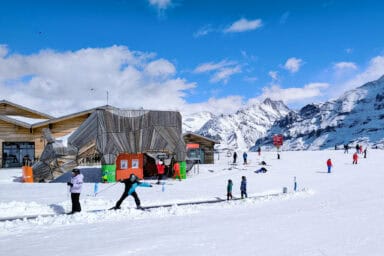
Once you have enough skills to ski on your own, you can have fun at learning zones and easy slopes in nearly all snow destinations. Many Swiss ski resorts are family-friendly: there are children’s skiing areas and many fun snow activities.

What’s the best time for skiing in Switzerland?
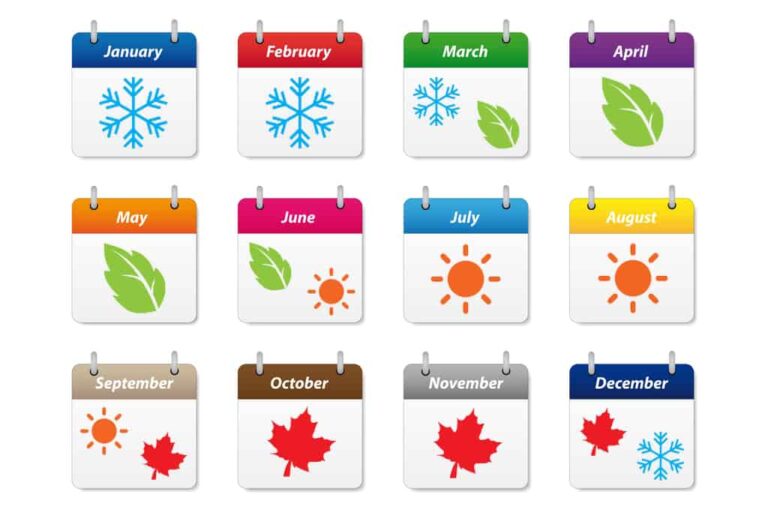
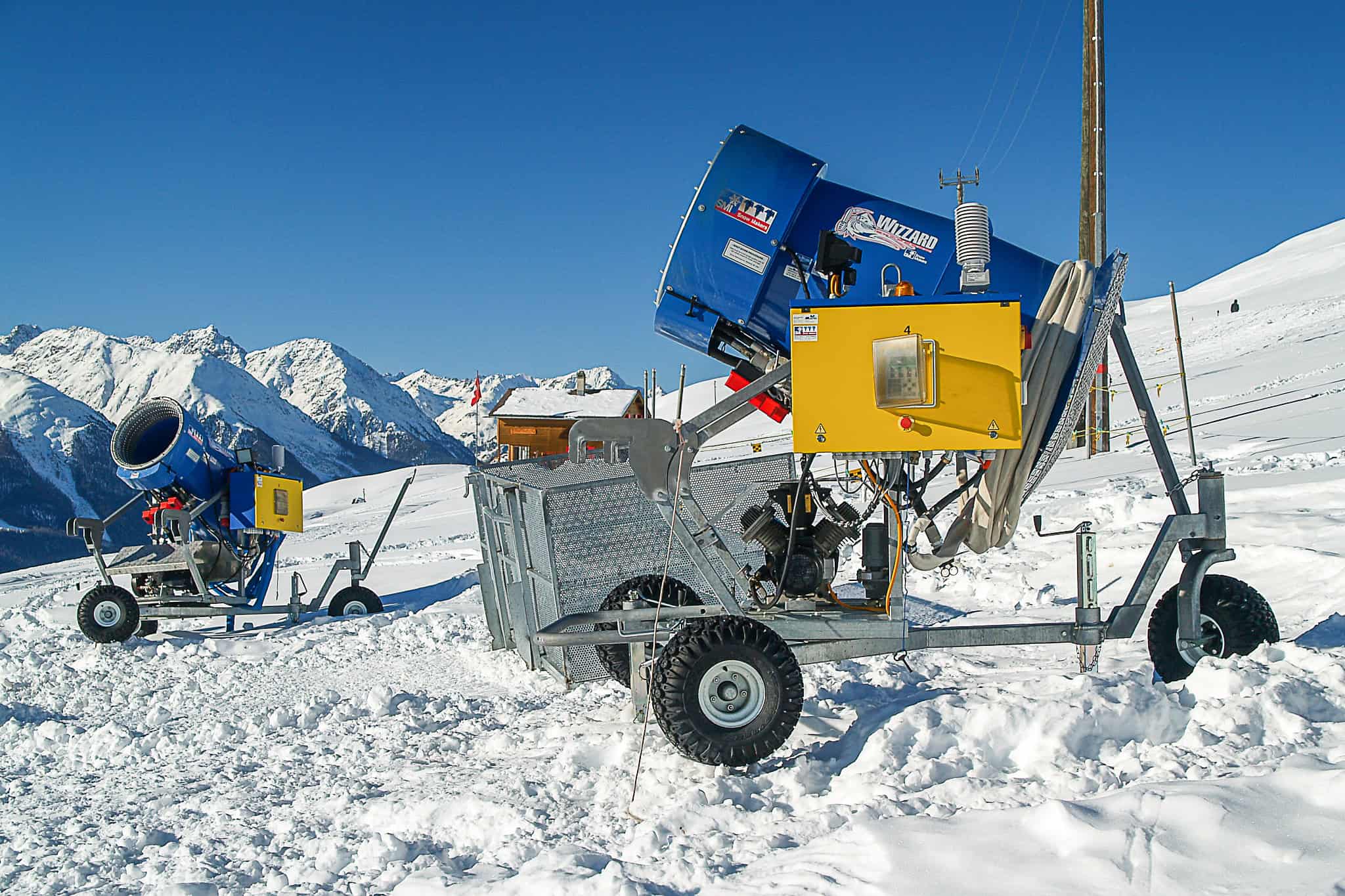
The best months for skiing in Switzerland are January, February and early March. That’s when it’s coldest and when most snow falls.
Ski resorts at higher altitudes can have longer skiing seasons. In some cases, skiing is possible from mid-November to mid-April.
The exact opening and closure dates of pistes and lifts always depend on weather circumstances and the amount of snow.
Can I ski in Switzerland in summer?
Summer is not the best time for beginner skiing in Switzerland. Only the highest mountains have enough snow. Hard summer snow is less suitable for skiing than wintry powder snow.
Resorts with all-year skiing options do have beginner classes in summer, if weather and snow conditions are favorable. The main resorts with summer options are Zermatt and Saas-Fee.
How long does it take to learn skiing?
It takes months to years of practice to become an experienced skier. Many Swiss residents have been skiing each winter from an early age. That’s why it may look easy if you see them skiing.
If you have no experience, you can learn some basic techniques during a class of a few hours. After a 3- to 4-day course you’ll be able to ski a bit on easy slopes. Count on 4 hours of practice per day.
If you have no experience, don’t use the ski runs without a teacher. This is dangerous for yourself and for other skiers.
Where can I learn how to ski in Switzerland?
Nearly all ski resorts in Switzerland have ski schools. Most of them offer beginners’ classes. Ski schools are often geared to tourists from abroad, especially in larger ski resorts.
In many snow resorts you’ll find schools of the Swiss Ski School organization. These schools provide qualified winter sports instructors. All instructors have completed a nearly 140-day training and have a Swiss Federal Diploma. They mostly speak English and sometimes other languages too.
Tiny ski resorts may not provide ski schools with beginners’ classes in English.
Types of beginner ski classes
- Beginner ski classes in Switzerland range from half a day to a full week.
- If you just want to have some fun in the snow, you can book a half-day or full-day class. If you want to learn basic skiing techniques, count on at least 2 to 3 days. Safely skiing down an easy slope will take 4 to 5 days.
- There are beginners’ classes for snowboarding, families, and kids as well.
When to book your class
Book your lessons in advance. It can be busy in high season, so you won’t always be able to arrange for a class on the spot. The weeks around Christmas in late December and early January are a typically busy time. The same goes for weekends and Swiss school holidays in January, February, and March.
Safety tips
If you have enough experience, you can use the ski runs on your own. Don’t do so if you can’t ski well enough yet!
Switzerland has a 3-color system for ski runs:
- blue: easy, for beginners
- red: intermediate, for advanced skiers
- black: difficult, for expert skiers
Nearly all Swiss ski areas provide blue runs. Use those and avoid the others. Beginners’ lifts and learning zones are often available too. These are flat areas or gradual slopes with practice elements.
Further safety tips:
- Be careful when skiing and don’t overestimate your skills.
- Use special protective ski gear.
- Keep a safe distance from other skiers.
Costs of beginner ski packages, 2025-2026 season
An average beginner ski package costs about CHF 320 per person per day in Switzerland. This is based on an individual or small-group lesson by a qualified teacher. It assumes about 5 hours of actual skiing.
Details:
- Most packages include ski gear and the use of ski lifts. They usually don’t include transportation to the ski resort and winter clothes.
- Average costs per day are lower if you’re in a larger group, or if you book a multiple-day course.
- Several schools of the Swiss Ski School organization offer 3-day all-inclusive skiing courses for beginners. The packages cost about CHF 1450 per person. They include 4 to 5 hours of private instruction per day. All gear and the use of ski lifts are usually included. The exact conditions depend on the specific ski school you choose.
Costs of ski gear, 2025-2026 season
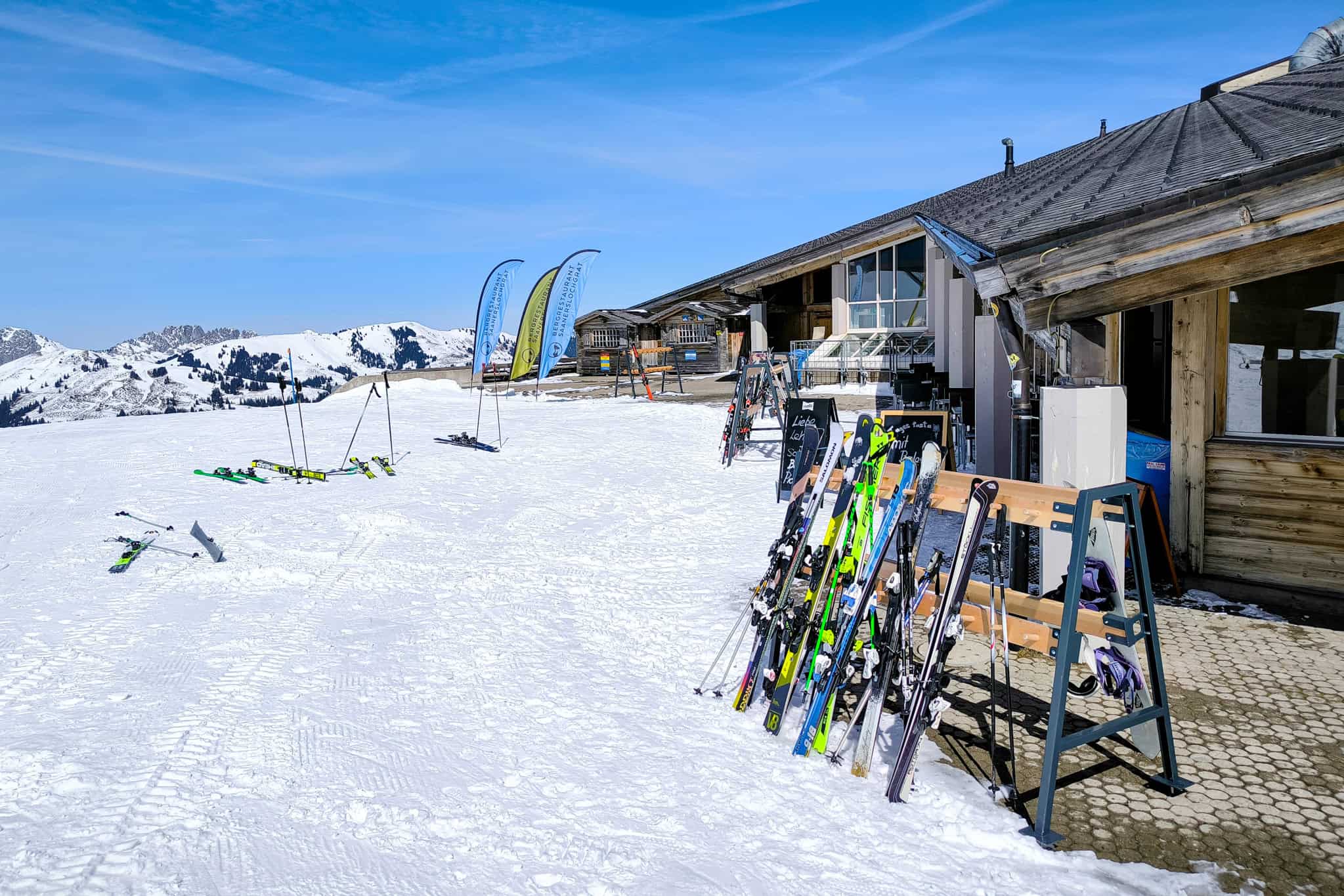
If ski gear is not included in your package, you can rent it. Average prices at Swiss rental shops per adult per day are:
- skis: CHF 55
- ski boots: CHF 25
- snowboard: CHF 45
- poles: CHF 8
- helmet: CHF 12
- ski jacket: CHF 33
Costs of lift passes and other transportation, season 2025-2026
On average, a day pass for a Swiss ski area with multiple lifts costs CHF 85 per day per adult. You’ll need a ski day pass if your package doesn’t include the use of ski lifts, or if you ski on your own. Prices vary by region and size of the ski area.
Details:
- Multiple-day passes are relatively cheaper. Special offers are available for many regions.
- Estimate which lifts you’ll be using and how often. That will help you find the most economical ski pass.
- You’ll often use other public transportation during your ski trip. For example: you’ll travel to and from your snow destination. You may also make day trips to other areas. A rail pass helps you save money in most cases.
- More saving tips can be found here.
Beginner- and family-friendly Swiss ski resorts
Nearly all Swiss ski resorts have easy runs, beginners’ classes, and children’s areas.
Many schools belonging to the Swiss Ski School Association have a “Swiss Snow Kids Village”. This is a fun practice area for children. The mascotte “Snowli” is there to help them. Children’s ski classes can be booked.
Examples of beginner- and kid-friendly Swiss ski resorts are:
- Adelboden-Lenk (Engstligen valley). This large ski area has several family zones.
- Arosa-Lenzerheide (Graubünden). There’s a public free beginners’ and kids’ area called “Honigland” at Prätschi. You’ll find several other ski areas and a ski school for children.
- Belalp (Upper Rhone Valley). The “Hexenland” is a fun ski area for kids, and it’s accessible for free!
- Bettmeralp, Riederalp and Fiescheralp (Upper Rhone Valley) belong to the ski area “Aletsch Arena”. Several ski schools offer beginner classes. The Blätz lift in the valley is ideal for children.
- Davos. The free beginner areas Bolgen and Bünda are quickly accessible from the village. Rental shops are close by. Madrisa and Rinerhorn have special children’s areas.
- Grindelwald. Many blue beginners’ runs are available. The Bodmi Arena is a special beginners’ zone.
- The Matter valley. Easy pistes are available near the villages Täsch, Randa and Grächen. For example: there are several children’s ski parks at Hannigalp above Grächen.
- Meiringen (Hasli Valley). The Meiringen-Hasliberg ski area has a great children’s and beginners’ area: Skihäsliland Bidmi. The local ski schools offer many classes and tailor-made events.
- Mürren. There’s a practice area right in town. Another training area can be found at the nearby hill Allmendhubel. The local ski school offers beginner classes. The Children’s Paradise takes care of kids if the adults are off for a day.
- Samnaun (Graubünden). There are gradual, easy slopes at the Musellahang. Alp Trida offers blue pistes. The local ski school offers fun kids’ classes.
- Verbier. There are three ski areas for beginners and children. You can also enjoy the easy slopes of La Chaux.
- Wengen. There’s a practice area in the center of town, supervised by the local ski school. Another beginners’ area and children’s paradise can be found at Männlichen.
- Zermatt. Family-friendly and easy slopes can be found at the Wolli beginners’ park at Sunnegga near Zermatt.

Snow fun without skiing
Snow parks
There are many snow parks in Switzerland. If you want to have a day full of different snow experiences, such parks are the place to go. Activities are different at each location. They can include sledding, snowtubing, zip lining, and so on.
Snow activities are available on nearly all higher mountain tops. The ones below have some of Switzerland’s most famous winter snow parks:
Sledding in Switzerland
Sledding is also called sledging or (winter) tobogganing. It’s sliding down a snowy hill on a one- or two-person seat with ski-like sliders, mostly made of wood. This is great fun for the entire family.
How to sled in Switzerland
Sledding in Switzerland can be done in several ways:
- Do it yourself: buy or rent a sled and find an easy slope that you can climb several times. Check if it’s a safe place and make sure the slope has plenty of room to come down without harming other people.
- Visit a mountain snow park and enjoy a full day of sledding and other winter activities. You can often rent sleds and other gear on the spot.
- Use a groomed, long sled run. You can often rent your sled on the spot and hand it in at the end. There are even illuminated toboggan runs for a romantic evening ride.


Famous Swiss sled runs
Some of Switzerland’s most famous sled runs are:
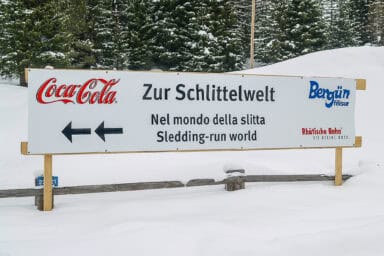
- Preda-Bergün in the Albula Valley in Graubünden. This run has a 440 m descent over 6 km, between the villages of Preda and Bergün in the Albula valley. The track is suitable for families and children.
- Faulhorn-Bussalp-Grindelwald in the Jungfrau Region. This run, also called “Big Pintenfritz” in German, is famous for many reasons. It has beautiful views of snowy mountains such as the Eiger and the Wetterhorn. With a 1400 m descent over 15 km, it’s a very long and varied route. You’ll first have to use a groomed winter hiking trail to reach the mountain top Faulhorn. This hike starts at the top station of the Grindelwald-First cable car.
- Fiescheralp-Lax in the Upper Rhone Valley. This safe run offers 11 km of sledding fun with a 1050 m descent. First up are views of the Matterhorn in the distance. Then you’ll enter a forest.
- Col de La Croix-Les Diablerets in the Valais. This 7 km long zig-zagging run starts at Col de la Croix, to be reached by the “Diablerets Express” gondola. After a descent of 560 meters you’ll end in the village Les Diablerets.

Child-friendly Swiss sled runs
Examples of easy, child-friendly options are:
- Allmendhubel in the Jungfrau Region. A family-friendly run winds its way from Allmendhubel through the Blumental valley to Mürren. It ends at the Allmendhubel funicular valley station.
- Fräkmüntegg in the Lake Lucerne region. This gentle 5 km ride can be made from the mid-station of Pilatus.
- Schatzalp above Davos. A wide 3 km sled trail runs through romantic forests from Schatzalp to Davos.
Adventurous Swiss sled runs
Demanding sled routes include:
- Fronalpstock above Stoos in Central Switzerland. This thrilling 440m descent over 2 kilometers has magnificent views of the region.
- Muottas Muragl in the Upper Engadine. Here’s a speedy 4 km run with a 700 m descent and lots of hairpin curves. It’s not suitable for children or beginners. You’ll first enjoy great views over the Engadine mountains and then enter a pine forest.
Sledding safety tips
Always be careful when sledding:
- Pick a run or slope that’s not too demanding. You should feel comfortable with its difficulty level. Don’t overestimate your skills.
- You can reach high speeds while sledding. Lean backwards to reduce your speed. This puts more pressure on the sliders. You can also push your feet into the snow. This helps you to reduce speed, or to come to a full stop.
- Steering a sledge is hard. You can steer a bit by leaning toward one side, and by using your feet. Adjust your speed or pick an easy route if you’re not experienced.
- Always keep other people in mind. Keep your distance and adjust your speed to avoid crashes.
- Use a helmet, ski goggles and other appropriate winter gear.
- If you’re skiing with small children, put them in front of you on the sled. Use gentle, child-friendly slopes only.
Alternatives to sledding: snowtubing, snowbikes and more
Besides sledding, there are more ways to enjoy the Swiss slopes. Some examples:
- Snowtubes are round, inflatable cushions in which you can comfortably lie down on your back. There’s a huge “Toboganning Park” in Leysin (canton of Vaud), offering lots of runs in ice channels. They’re of varying difficulty. Other examples of snowtubing locations are Trübsee under Titlis (Central Switzerland), Maloja (Upper Engadine) and Saas-Almagell (Saas Valley).
- Airboards, or snow body boards, are large inflatable cushions on which you can slide down in several poses. Airboard runs are available at several locations. A thrilling one can be found at Fronalpstock (Central Switzerland).
- Snowbikes are bikes with a large ski at the bottom instead of wheels. You can use them at Hannigalp in the Matter Valley for example.
- Snowmobiles are electrically driven motors with thick rubber bands. You can make guided tours or rent them yourself in the snowpark under Titlis. They’re kid-friendly too. A special children’s snowmobile park is available at the Brunni ski lift (between Lake Zurich and Lake Lucerne). More options can be found here.
- The “Zipflbob” is a plastic sled with a handle, used for steering and turning. You can enjoy it in a few places, including Gamplüt (St. Gallen, North-East Switzerland).
- The “Bobsla” is an electric snow cart, available at the Kerenzerberg above Filzbach (Glarus, North-East Switzerland).
- Switzerland has many alpine coasters or mountain coasters. In German, they’re often called “Rodelbahn” or “Bob-Bahn”. You’ll slide down over a fixed metal downhill track on a one- or two-person seat. Most are open in summer only, but Switzerland’s longest coaster is available in winter too. This is the Pradaschier ride (Arosa-Lenzerheide, Graubünden), offering a 480 m descent and over 30 curves.
- As a tourists, you can make a guided ride down in the Olympic bob run near St. Moritz.
Ice skating on indoor and outdoor rinks
You can enjoy ice skating at many indoor and outdoor rinks in Swiss towns and cities. Skates can often be rented on the spot.
Ice skating on frozen lakes
Ice skating in Swiss nature is another option. It’s possible at several lakes and prepared natural rinks.
Weather conditions have to be favorable: temperatures need to be low and there shouldn’t be too much snow. This allows the water surface to turn into a thick and smooth layer of ice. Chances are better at higher altitude, where temperatures are lower.
Examples of Swiss lakes on which ice skating is sometimes possible:
- St. Moritzersee (“Lej da san Murezzan” in Rheto-Romanic; 1768 m / 5800 ft) in the Upper Engadine
- Schwarzsee (“Lac Noir” in French; 1049 m / 3441 ft) in the canton of Freiburg in South-West Switzerland
- Sihlsee (889 m / 2916 ft) in the canton of Schwyz in North-East Switzerland
Ice skating on natural ice roads
A few natural ice skating roads can be found in the canton of Graubünden. Their availability too depends on weather conditions.
Ice skating in nature: warning
Only use natural lakes and rinks if they’re officially open for ice skating. Trying on ice that’s too thin is very dangerous.
Cross-country skiing
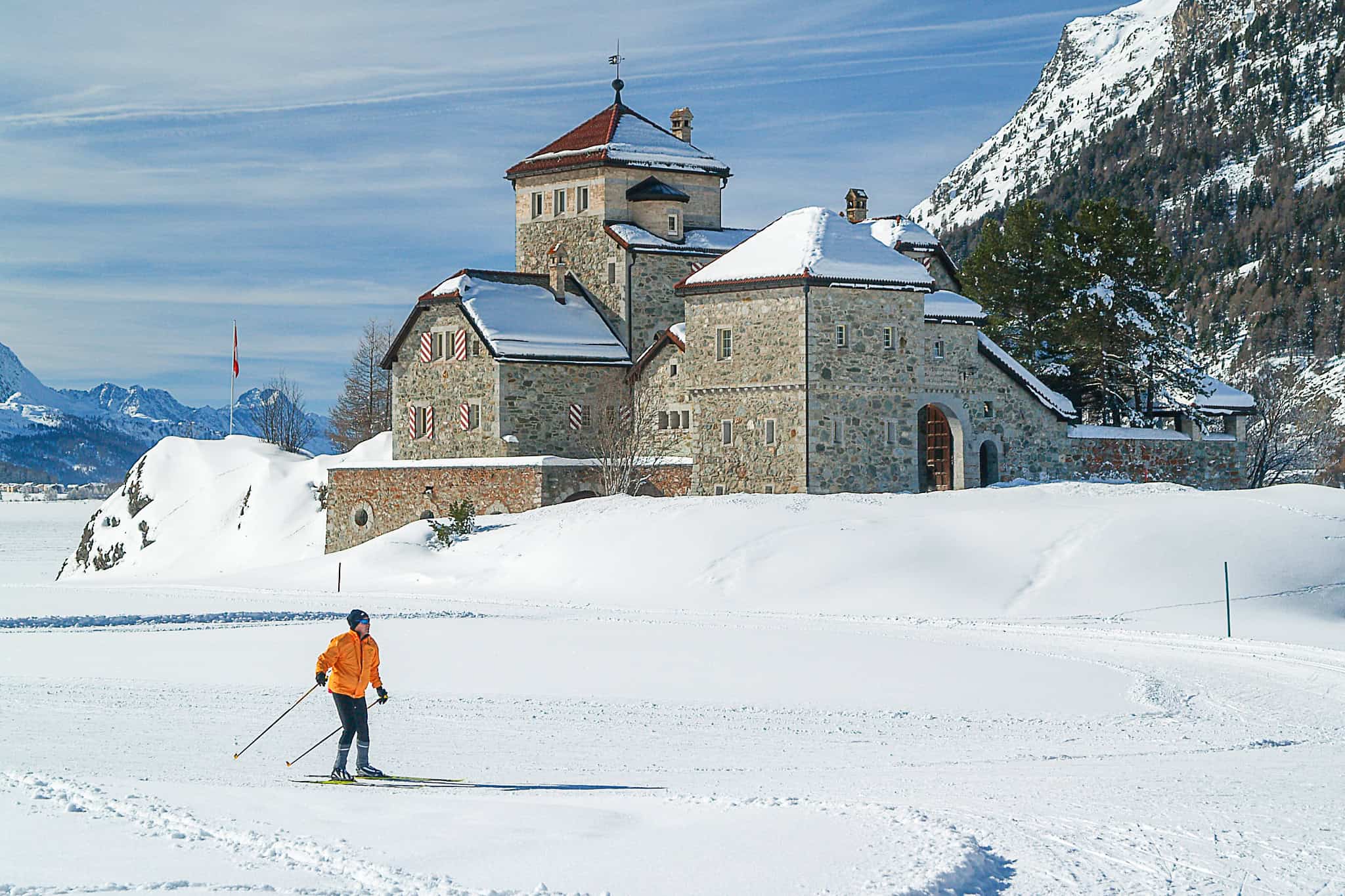
Cross-country skiing is very different from quickly skiing downhill. You’ll slide on skis using a walking-like motion. The snow terrain is mostly even. There can be modest height differences, meaning you’ll have to climb a bit or gently slide down.
Cross-country skis are different from regular skis. They’re long and lightweight. Only the tip of the shoe is attached to the ski. Cross-country skis can be rented at many locations in Switzerland.

How to learn cross-country skiing
Cross-country skiing can be learned quickly. But it’s important to use the right technique from the start. So prepare yourself with videos or take a beginners’ class in Switzerland. Lessons are offered by many ski schools.
You can also book a guided tour. The guide will teach you basic techniques and then take you out on a cross-country run for several hours.
Although cross-country skiing looks easy, it requires stamina and good physical shape.
How to recognize cross-country skiing trails
Swiss cross-country trails are indicated by green signs, depicting a white cross-country skiing figure.
Where to enjoy cross-country skiing in Switzerland
Switzerland has a huge network of groomed cross-country trails. Broad valleys are perfect for cross-country skiing. A few examples are:
- the Lower and Upper Engadine (Graubünden)
- the Upper Rhone Valley (Valais)
- the area around Davos and Klosters (Graubünden)
- the Kander Valley (Bernese Oberland)
Husky activities in Switzerland
Husky walks or sleigh rides are great for animal lovers. Sometimes you can even enjoy a full day with the dogs, learning all about them. Booking in advance is usually required.
- In Col des Mosses (South-West Switzerland) you can make a ride over well-groomed trails. An annual dogsledding competition in March takes place here too.
- Les Bois in the canton of Jura is home to “Jura Escapades”. You can learn all about huskies here and follow a sled dog course.
- In the Fribourg area in (South-West Switzerland), you can learn how to ride the sled. Of course, you’re guided by a professional.
- Winter hikes with husky dogs can be made near Crans-Montana (Valais).
- Dog sled tours are available from the Whitepod Eco Luxury Hotel in Les Cerniers (Valais).
- Dog sled rides are among the many activities at Glacier 3000.
- The “Husky Stuff” company in Alt St. Johann in St. Gallen (North-East Switzerland) offers half-day dog sled tours. But you can also stay with them for more than just one day and really bond with the dogs.
- The “Hüttenhotel / Husky Lodge” is located in the Muotathal in the canton of Schwyz (Central Switzerland). It’s home to a pack of about 30 huskies.
- A dog sledding race (“Schlittenhunderennen” in German) takes place each February in Gadmen near Innertkirchen (Bernese Oberland).
- Another tip for dog lovers is Barryland in Martigny (Valais). This isn’t about huskies, but about the famous St. Bernard dogs. You can learn all about them and watch them up close!
Horse-sleigh rides
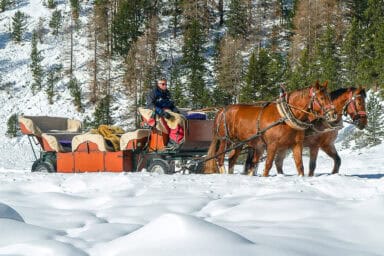
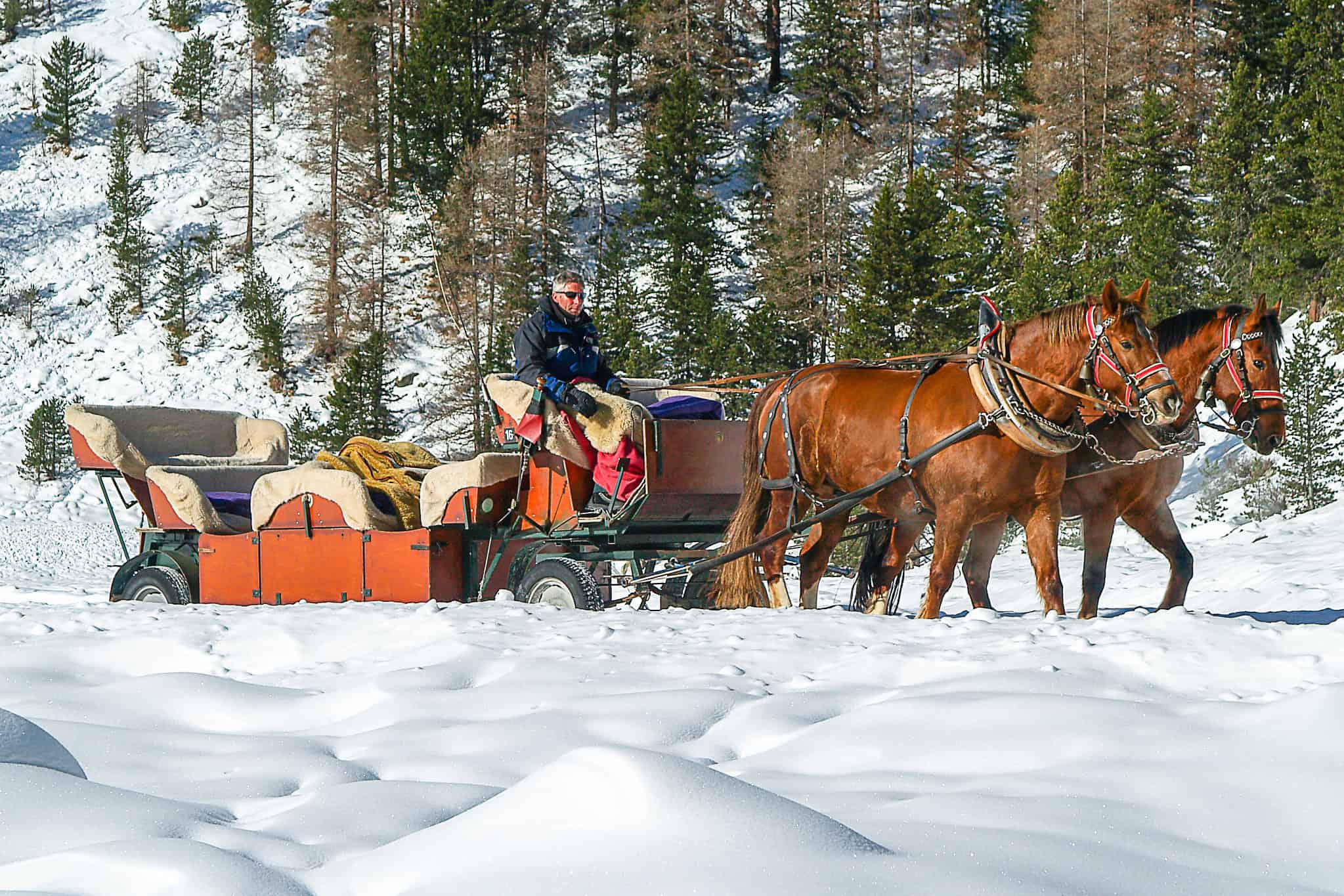
Enjoying a snowy Swiss valley from a horse-drawn sleigh is very romantic. Advance booking is usually required.
- One of the best places is the Roseg Valley near Pontresina (Upper Engadine). Several rides a day are scheduled. The route runs between the Pontresina railway station and Hotel Roseg in the valley.
- Two companies organize sleigh rides into the beautiful Fex Valley. It’s north of the romantic village Sils (Upper Engadine).
- Several horse-carriage rides are available from Rigi Kaltbad, half-way up Mount Rigi.
- You can make a horse-sleigh ride organized by “Kutscherei Reichenbach” in the Gstaad region.
- There are several horse-carriage routes near Davos and Klosters in Graubünden.
- Arosa is a great winter sports resort. The many activities include horse-sleigh rides.
- The “Nussbaumer” company offers winter rides at Raten in the canton of Zug (between Lake Lucerne and Lake Zurich).
- Winter rides can be made from the village of Urnäsch in the canton of Appenzell (North-East Switzerland).
Horse-sleigh rides with fondue
At some routes, you can even enjoy a fondue meal in the carriage:
- Enjoy Swiss fondue during a ride from Lenk in Simmen Valley.
- “Kutschenfahrten Scherrer” is located in Dietfurt (between Lake Zurich and Lake Lucerne). They offer fondue trips in cosy warm carriages.
Winter and snow adventures
If you like adventurous winter activities in Switzerland, consider the below suggestions. Always book a safe trip with professional guides.
- Book an ice climbing tour. Check if prior experience is required.
- Paragliding is a thrilling and scenic activity. It’s available in winter too, near many mountain resorts. Local companies organize the flights.
- Climb the via ferrata near Saas-Fee. Most via ferrata routes are accessible in summer only, but this one is open in winter too.
- Try winter kayaking at Lake Brienz (Bernese Oberland).
- Go snow kiting near Franches-Montagnes in the Jura mountains (West-Switzerland).
Find all adventure excursions in Switzerland here.
Winter festivals
There are many winter festivals and events in Switzerland. Below are a few famous ones.
- There’s a spectacular hot-air balloon festival each last week of January. It’s held in Chateau d’Oex (South-West Switzerland). Visitors can make a balloon ride too.
- In late January, you can visit the World Snow Festival in Grindelwald. You’ll see beautiful ice sculptures, made by international artists. There’s a different theme each year.
- Geneva is home to a large December festival. It’s called “l’Escalade”. You can enjoy music, cannon fires, folklore demonstrations, and food.
Winter holidays for non-skiers
What towns?
If you’re traveling with others who will be skiing, pick a centrally located winter resort. There are plenty of towns that provide easy access to ski areas, but also good connections to other Swiss towns. This allows you to explore several Swiss regions or make city trips.
Find tips for suitable winter resorts here. Use the Swiss timetable to check travel times to the other destinations on your wish list.
Accommodation for non-skiers
It’s best to have a hotel or holiday apartment close to a railway station. This allows you to quickly travel to other places. In most cases, this is easy for skiers too. Local trains or buses to ski lifts depart from railway stations.
Hotels close to railway stations are listed here.
Public transportation for non-skiers
It’s best to travel by train and bus in winter. Switzerland has an excellent public transportation network. It not only gets you into the snowy mountains, but right into the centers of larger towns. Driving can be challenging in winter.
If you’re not skiing, you won’t need a ski pass. It’s better to find a rail pass that fits your specific plans.
Many rail passes include cableways in the mountains as well, so you can enjoy the views or engage in non-ski snow activities. Find out which pass is best for your plans here.
Winter activities for non-skiers
If you don’t ski, there are lots of other ways to enjoy winter in Switzerland.
- You may like other snow activities, such as sledding, snowtubing, ice-skating or cross-country skiing.
- If you visit mountain tops, choose the ones with panoramic views and good catering options. You can enjoy the views from a warm restaurant or from a sunny terrace. Relax and sit back while you watch others ski!
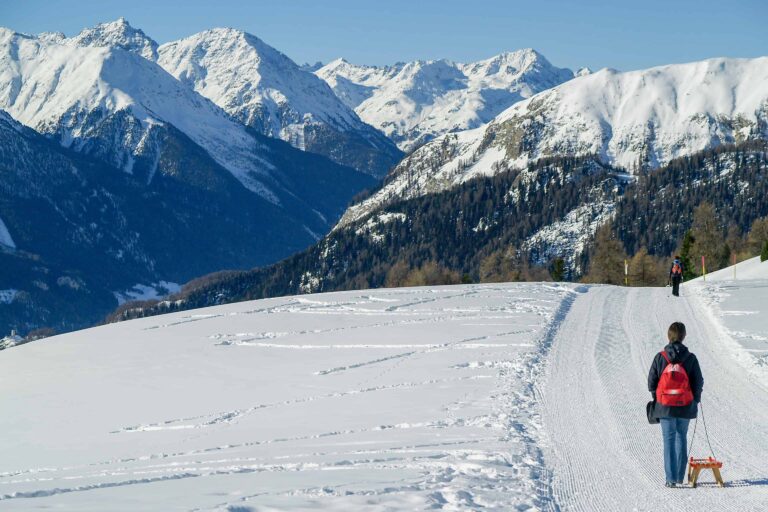
- You can admire the winter landscape in peace and quiet during winter hikes. If you like photographing winter scenery, hiking is the perfect activity.
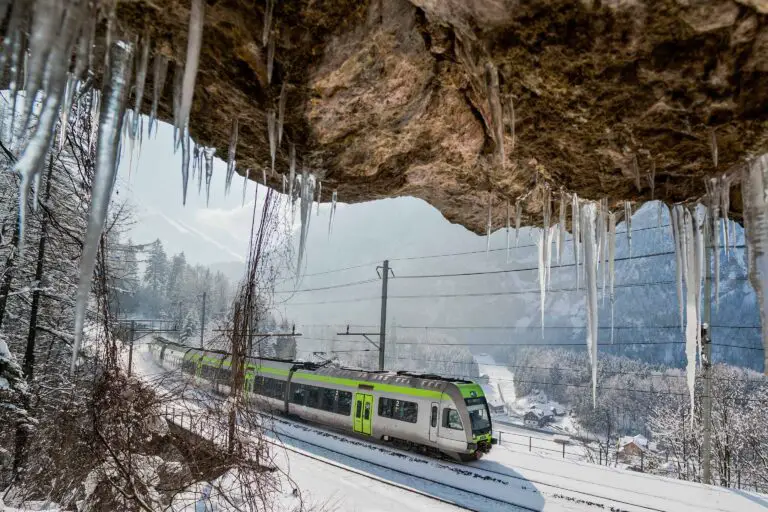
- Scenic train journeys allow you to visit other Swiss regions. And you’ll have amazing winter views along the way.
- Combine traveling with dining. Culinary train or boat trips are great fun.
- Visit Swiss cities. Most have picturesque old centers and lots of cultural activities. Many museums can be entered for free with a Swiss Travel Pass. Find all cities here, and cities with the best Christmas atmosphere here.
- Treat yourself to a spa visit. Enjoying a wellness treatment is a nice way to escape the cold. Many hotels have spa facilities, accessible for non-hotel guests too. Separate wellness options are available in many Swiss ski resorts as well. Examples are Davos, Leukerbad, Gstaad, St. Moritz and Zermatt.
Categories of things to do in Swiss winter
Winter hiking
Scenic trains winter
Practical winter tips
Winter weather and best time to visit
Clothing and gear