
 MySwissAlps.com includes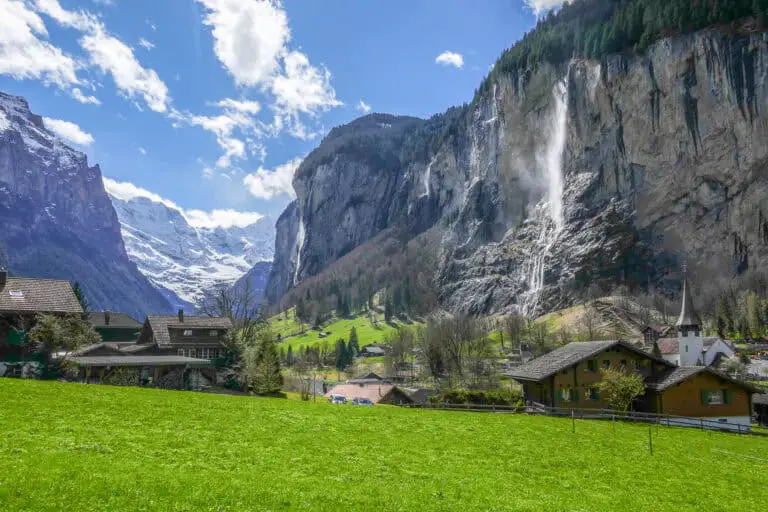
 This page was last updated by
  Region:
  Recommended season: early January to late February and early April to late October
 Altitude: 793 m (2602 ft)
 Town size: Small
 Local language: German
 There is a train station
Lauterbrunnen travel tips and map 
Traveling to and in Lauterbrunnen: quick overview
Lauterbrunnen can be reached by train and by car. The area can be explored by train, cableway, and on foot. Most of the region is car-free.
How to reach Lauterbrunnen by train
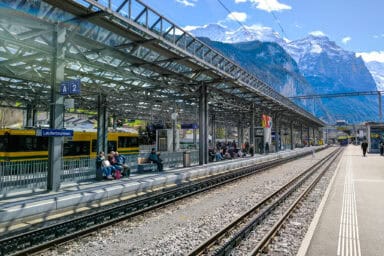
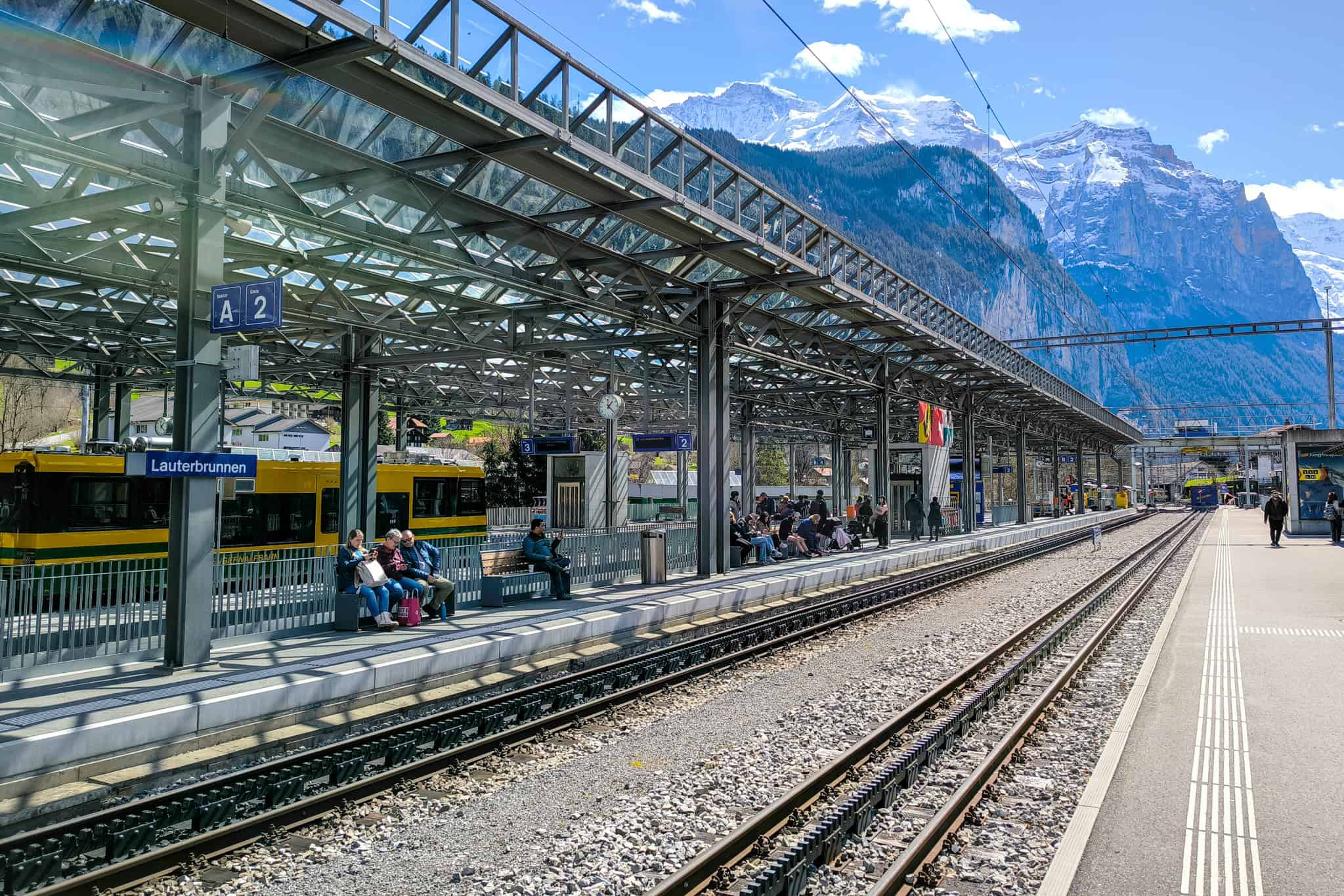
From Interlaken, it takes 20 minutes by train to reach Lauterbrunnen.
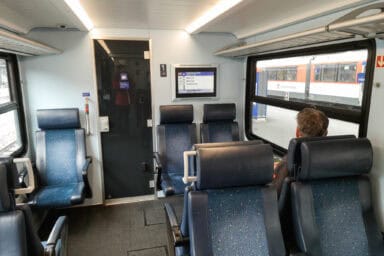
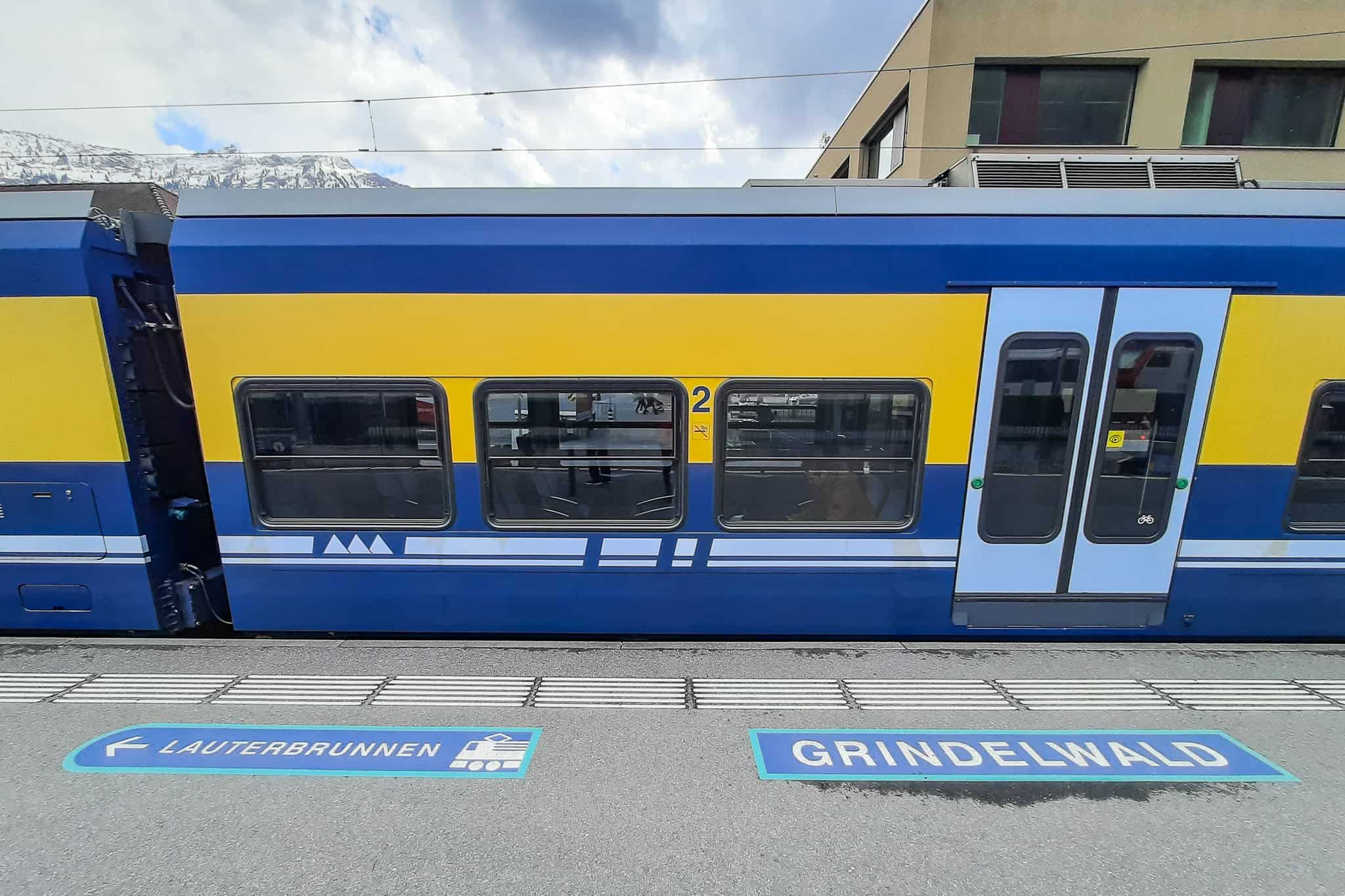
From the Interlaken Ost railway station, one train heads for the Jungfrau Region. It passes Matten and Wilderswil and then arrives at Zweilütschinen. At this station, the train parts get separated. One continues to Lauterbrunnen, the other to Grindelwald.
Make sure you enter the right train segment at Interlaken: board at sector A of the platform. In addition to the sector letters, there are signs painted on the platform. The destination is indicated on the exterior of the train coaches too.




How to get around in the Lauterbrunnen Valley
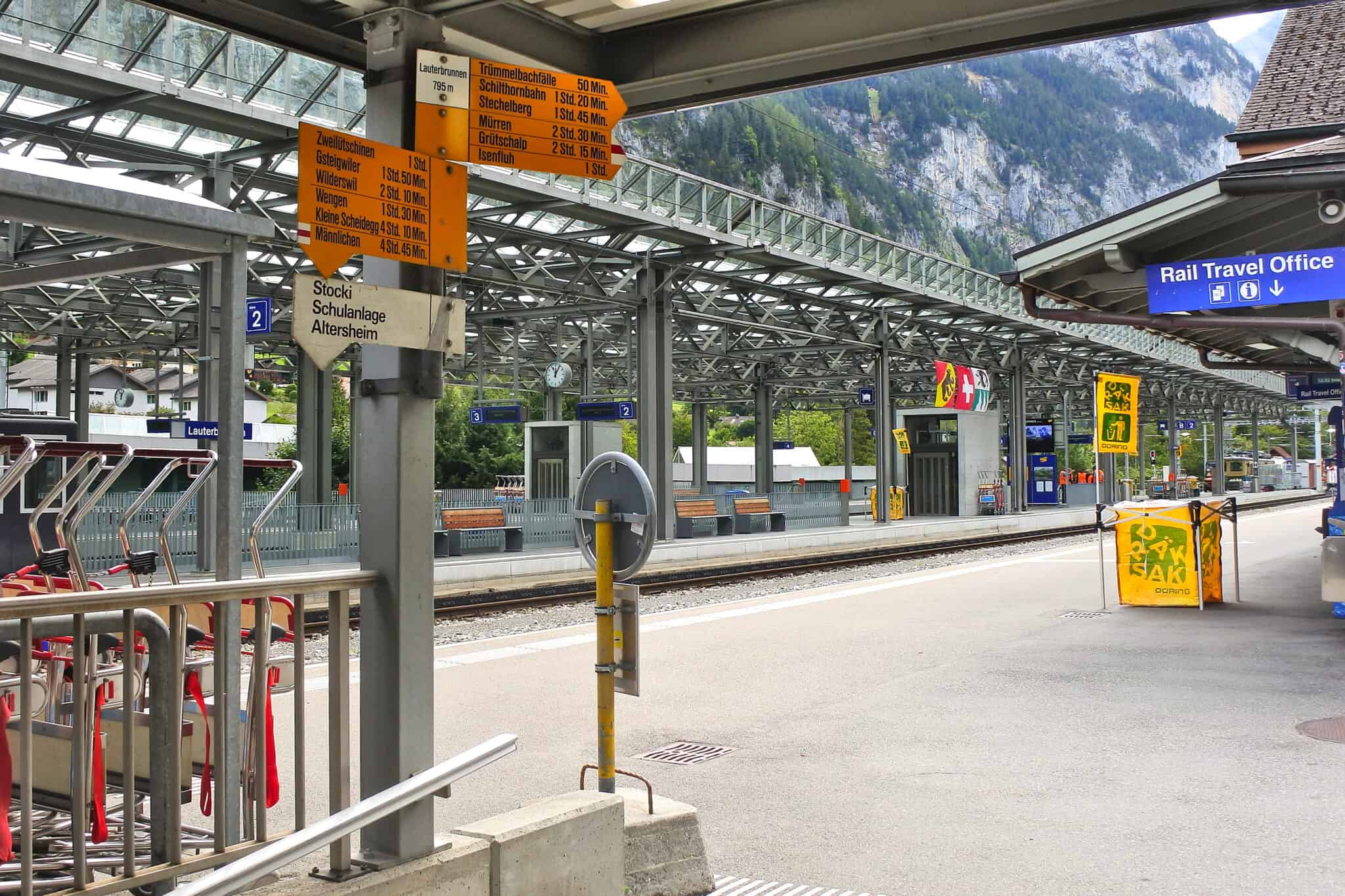
Public transport gets you to all spots in the Jungfrau Region:
- You can reach Mürren and the Schilthorn via two routes: either via cableway to Grütschalp and train to Mürren, or by bus to Stechelberg and by cable car to Mürren. Learn more in Arno's Lauterbrunnen-Mürren travel guide.
- A cogwheel train takes you to Wengen, Kleine Scheidegg, and eventually Jungfraujoch. Check Arno's Lauterbrunnen-Wengen guide for details.
- There's also the train to Interlaken, and from there you can continue to other parts of the Bernese Oberland and Switzerland.
- Grindelwald can be reached via the village of Zweilütschinen in the valley. Alternatively, you can take the scenic cogwheel trains up to Wengen and Kleine Scheidegg, then down to and Grindelwald. Or consider the scenic cableway and gondola trip via the mountain of Männlichen to reach Grindelwald.
You can reach Interlaken, Grindelwald and Stechelberg by car. The rest of the area is car-free.
Travel discounts with your Guest Card
The hotels in Lauterbrunnen provide a free Guest Card when you check in. The card provides various discounts on local attractions and cableways.
Rail passes for your stay in Lauterbrunnen
If you own a rail pass, you will usually get a better discount than those provided by the Guest Card. These passes make sense if you're staying in Lauterbrunnen:
- The Berner Oberland Pass. I recommend this pass if you want to explore the Jungfrau Region, but other areas of the Bernese Oberland too.
- The Jungfrau Travel Pass. This one's suitable if you're sure you'll focus on the Jungfrau Region south of Lauterbrunnen only.
- The Swiss Travel Pass or Swiss Half Fare Card. These are often best if your itinerary includes other parts of Switzerland too.
Use our free tools to determine which pass is best for your plans.
Reaching Lauterbrunnen by car, and parking
Come by train if you can. Even though there's a road to Lauterbrunnen, most of the area south of the village is car-free. Moreover, it can get busy in Lauterbrunnen in summer and all parking spots may be taken.
Parking in the Jungfrau area is paid nearly everywhere. The main options:
- There are parking lots at the train stations of Interlaken Ost and Matten.
- There's a large covered garage in Lauterbrunnen. It's best to book in advance. Without reservations, you can't be sure that a spot is available.
Do not park outside of designated parking spots in Lauterbrunnen. Otherwise, you can block important access for inhabitants, shops, and even medical services. If there's no space left in the garage or official outdoor lots: turn back, park elsewhere, and take the train to Lauterbrunnen.




The main travel routes to and from Lauterbrunnen
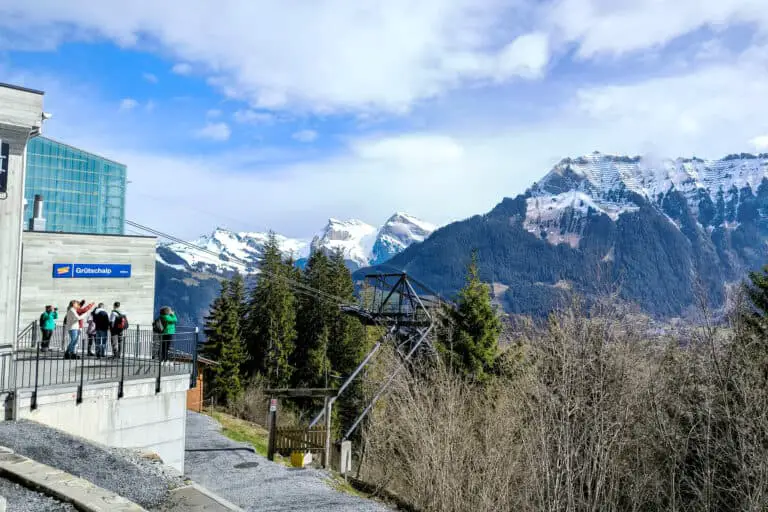
Lauterbrunnen to Mürren
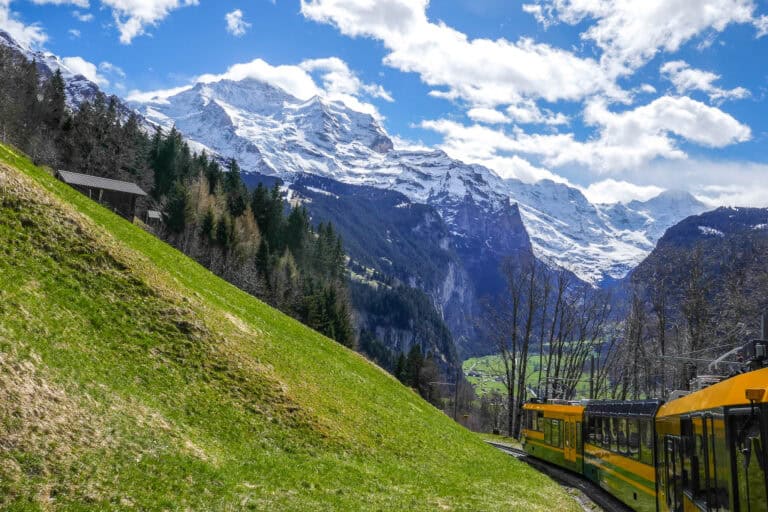
Lauterbrunnen to Wengen
The best time to visit Lauterbrunnen
The best months to go to Lauterbrunnen early January to late February and early April to late October.
Lauterbrunnen in spring: April, May and June
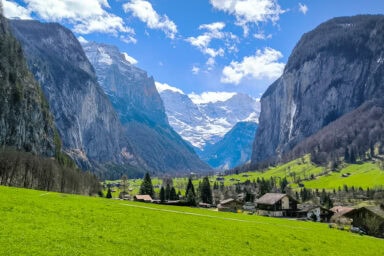
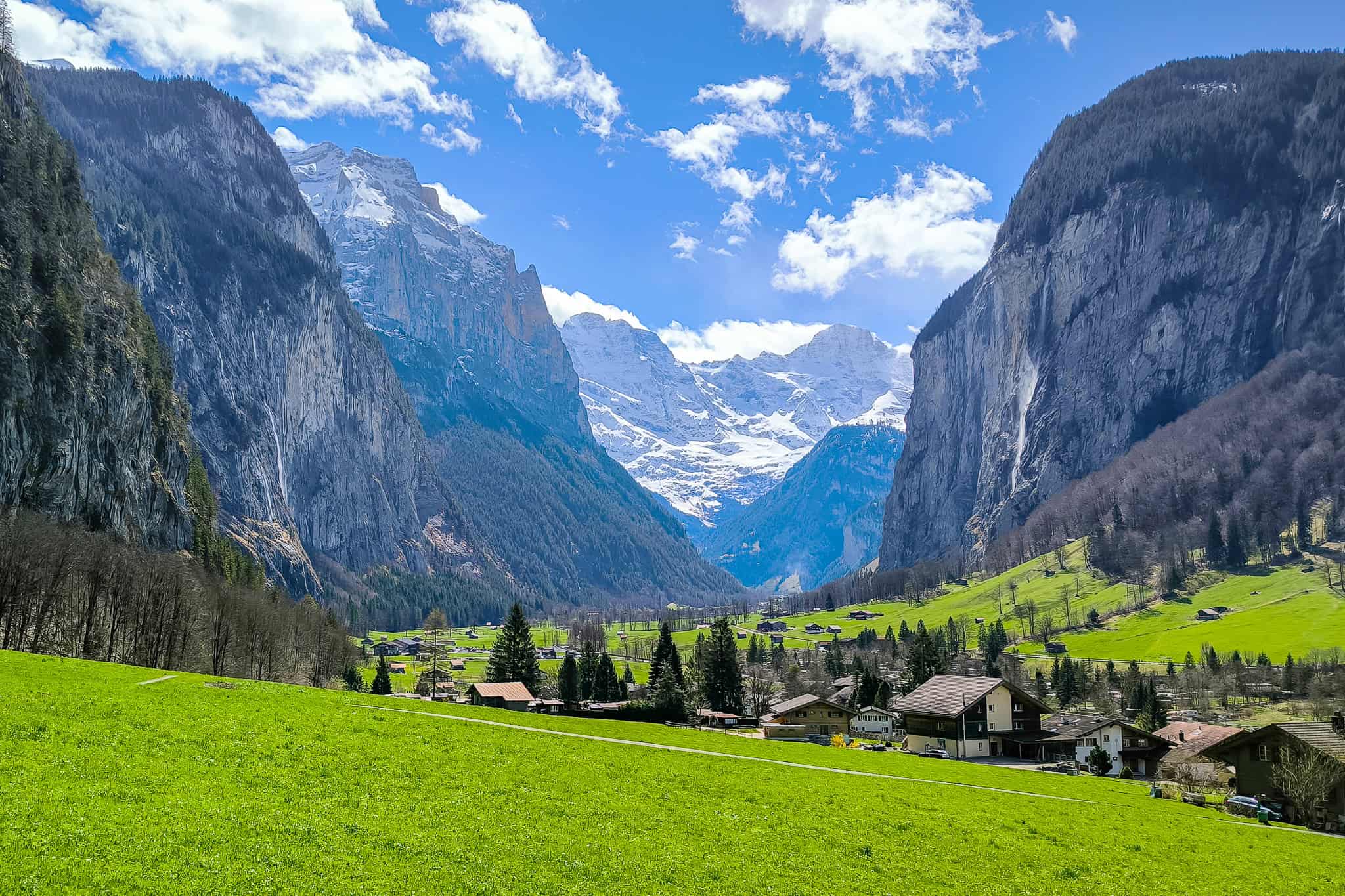
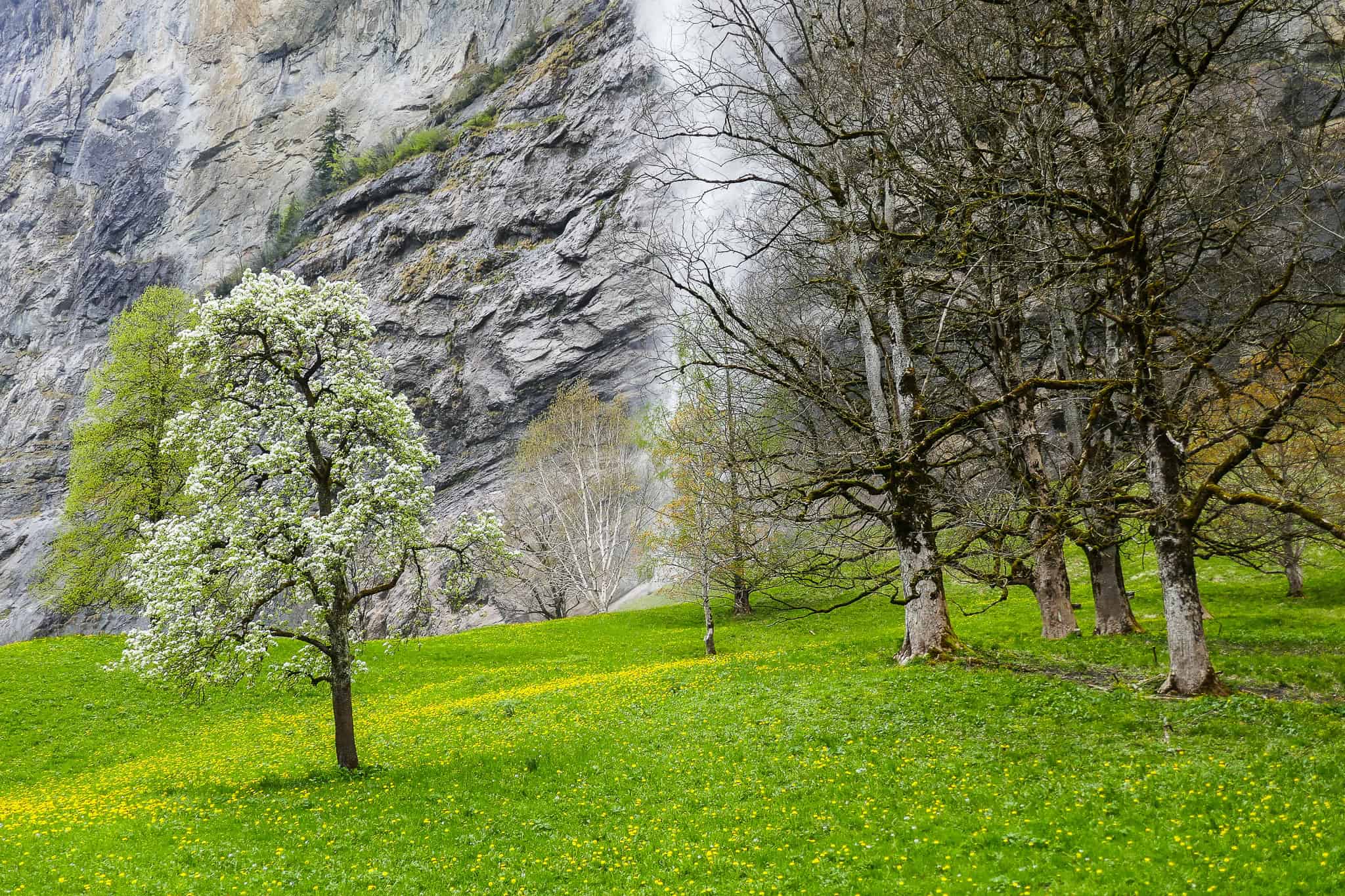
- April is a beautiful month nature-wise. The meadows of the Lauterbrunnen Valley will show fresh green grass and spring flowers, and you can still enjoy snow on the mountaintops. Not all mountains are accessible yet, and it's generally too early to hike in the mountains.
- May is similar to April. A few more cable cars start to operate, for example the one to Männlichen.
- By June, weather in the Lauterbrunnen Valley can already be summer-like. Pretty much all mountaintops can be visited now. The highest hiking trails may still be snow-covered.
Lauterbrunnen in summer: July, August and early September
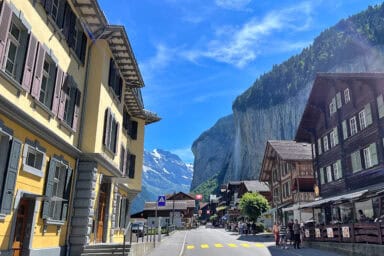
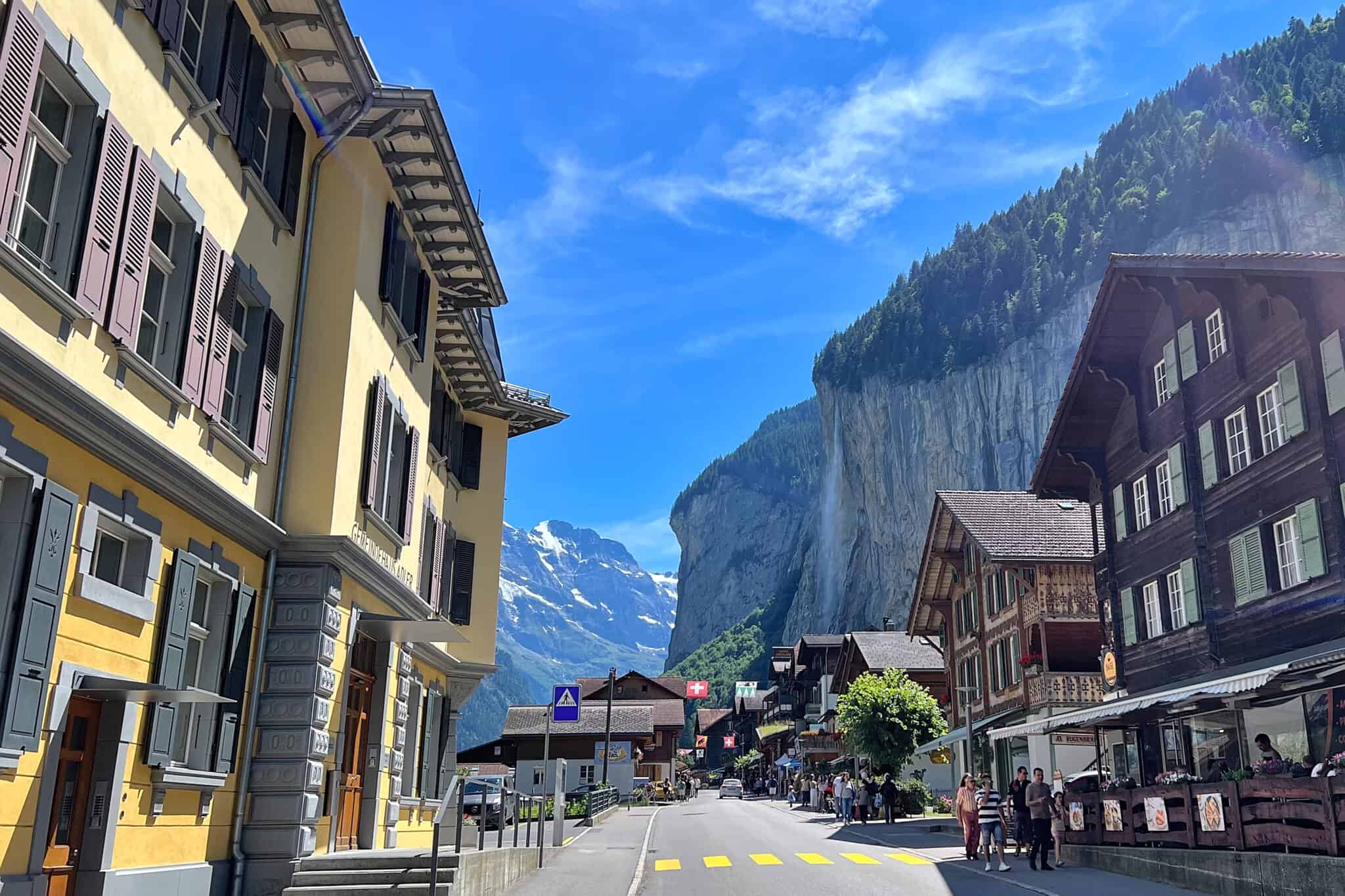
- July and August are high season for tourists. This means that popular activities, such as the Jungfraujoch and Schilthorn, can be crowded. You'd best leave early in the day to avoid the crowds.
- Things will get a bit quieter in September.
- These are the best months for mountain biking and alpine hikes.
Lauterbrunnen in autumn: mid-September and October
Fall is a great time to be in Lauterbrunnen: this is when you can enjoy the spectacular scenery in peace and quiet. The trees in the valley start coloring. Most mountain transport in the Jungfrau Region operates until mid- or late-October.
Lauterbrunnen in winter: January and February
January and February are best for a winter stay in Lauterbrunnen. Don't expect snow in the village. Although this can happen, you'll often have to travel up to ski areas first.
Weather in Lauterbrunnen and forecasts
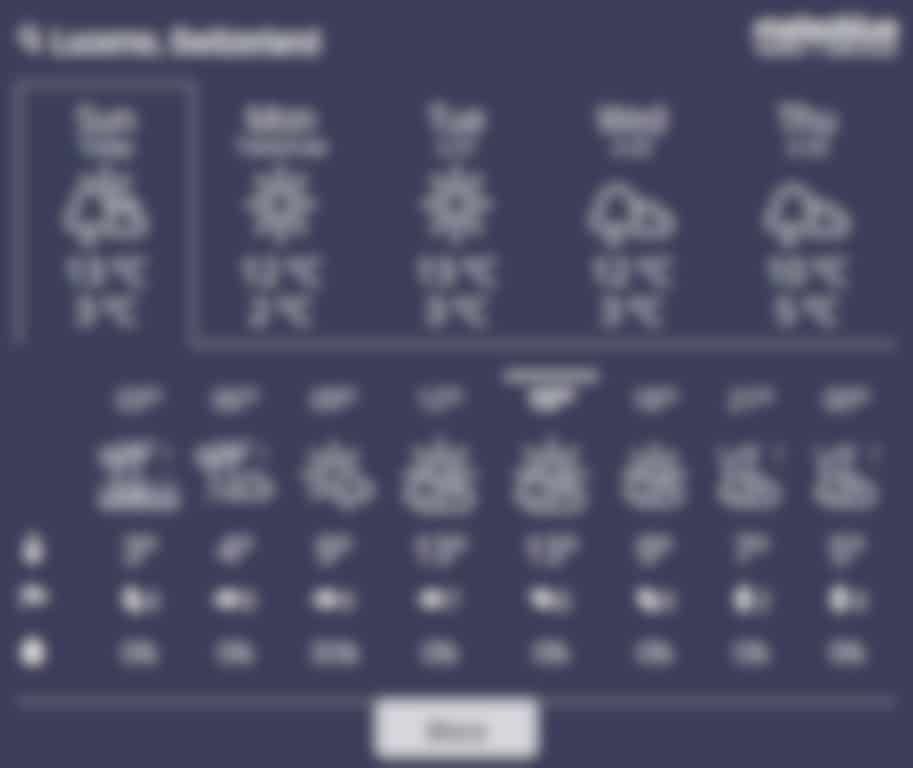
What's weather like in Lauterbrunnen?
Winter temperatures are pretty mild in Lauterbrunnen. During daytime, count on a temperature range of 5°C to 10°C. It can freeze during the night. Snow in the village may fall, but this is certainly no guarantee for Lauterbrunnen.
The warmest months are July and August, with average temperatures in the village ranging from 19°C to 23°C. Heatwaves with higher temperatures do occur.
The rainiest months in Lauterbrunnen are May, June, July and August. During warm summer days, showers typically occur in the (late) afternoon, while the mornings are sunny and clear.
Accommodation in Lauterbrunnen
Lauterbrunnen has several hotels, from budget to 3-star options. They're nearly all within walking distance of the rail station. See my Lauterbrunnen hotel guide for the options and insider tips.
In addition, there are holiday homes and the well-rated "Jungfrau" campsite with views of the Staubbach Fall.
If you're debating between Lauterbrunnen and other towns, check our Jungfrau Region accommodation tips.
Lauterbrunnen hotel overview
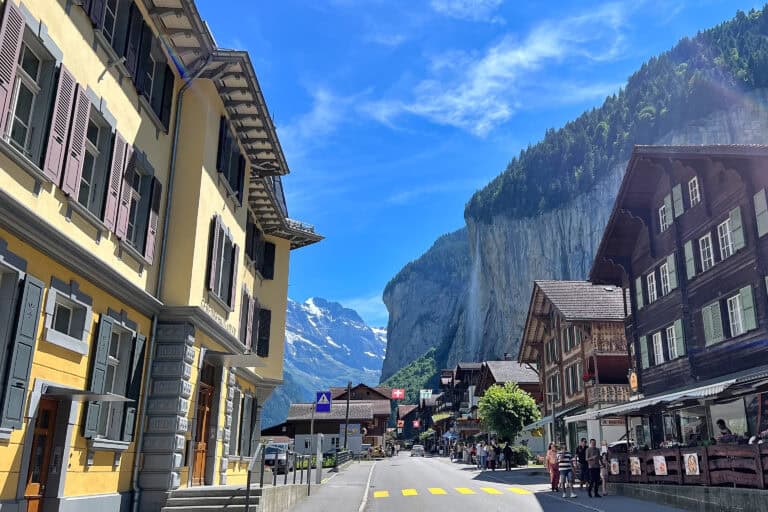
Hotels in Lauterbrunnen - some with views of the Staubbach Fall
Lauterbrunnen’s strategic location and scenery
A gateway to the western Jungfrau Region
Lauterbrunnen is a small village in the Lauterbrunnen Valley. It’s ideally situated for excursions throughout the Jungfrau Region. The Jungfrau Region is part of the larger holiday region of the Bernese Oberland.
The town is situated between the mountain villages of Mürren and Wengen, which are the obvious areas for day trips. It’s only a 20-minute train ride to Interlaken.
The impressive scenery
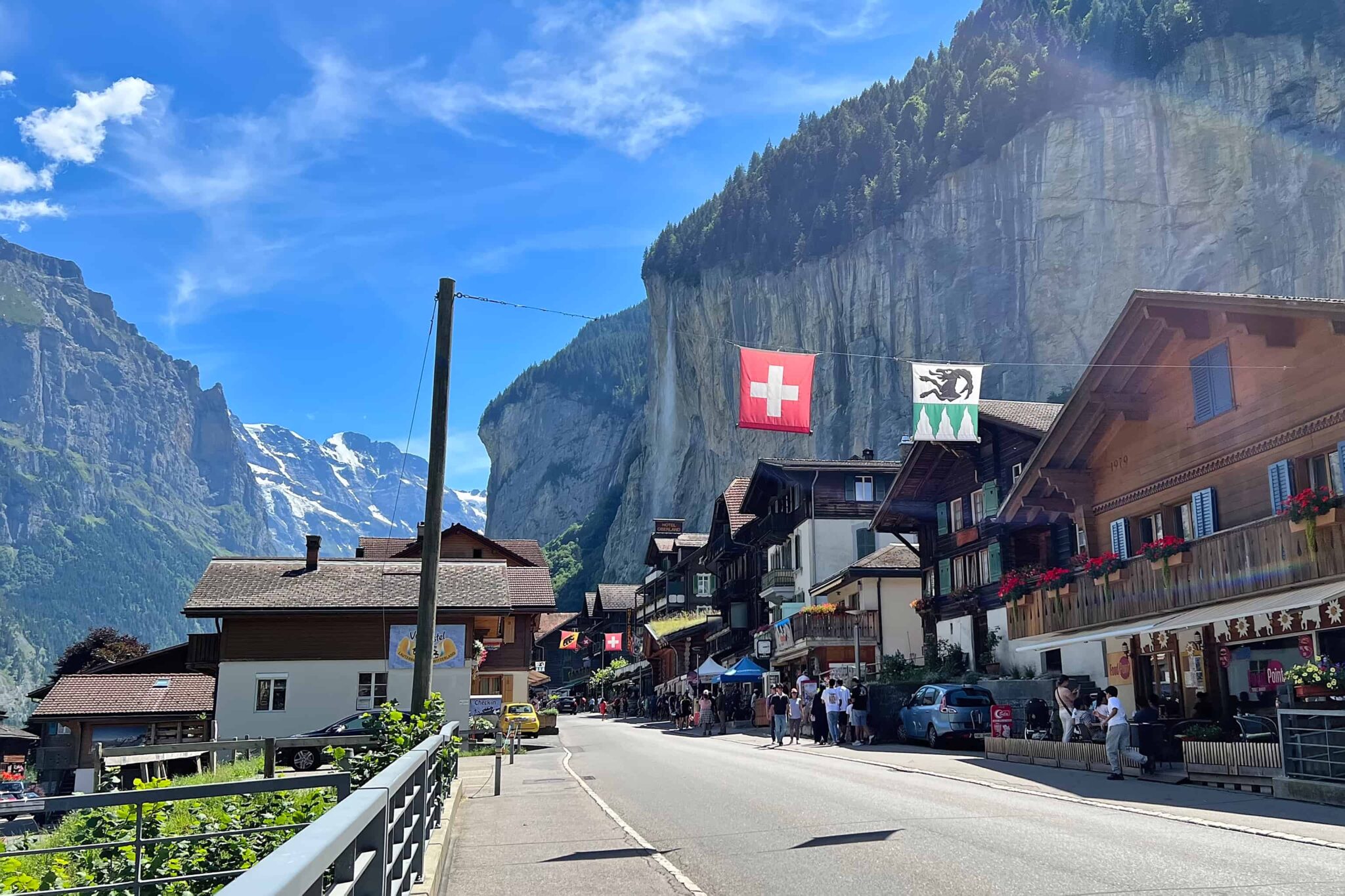
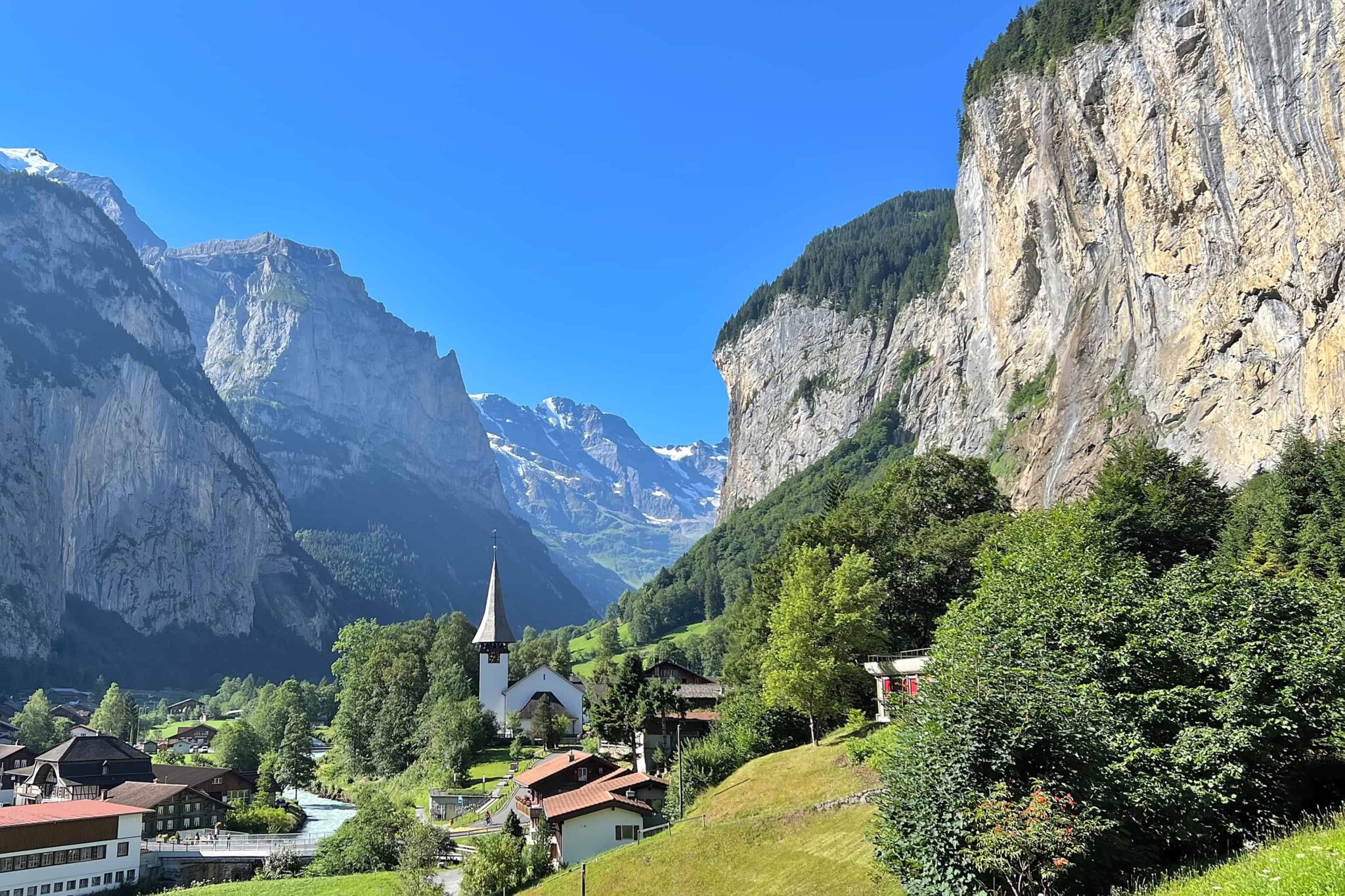
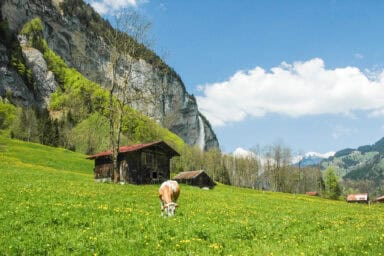
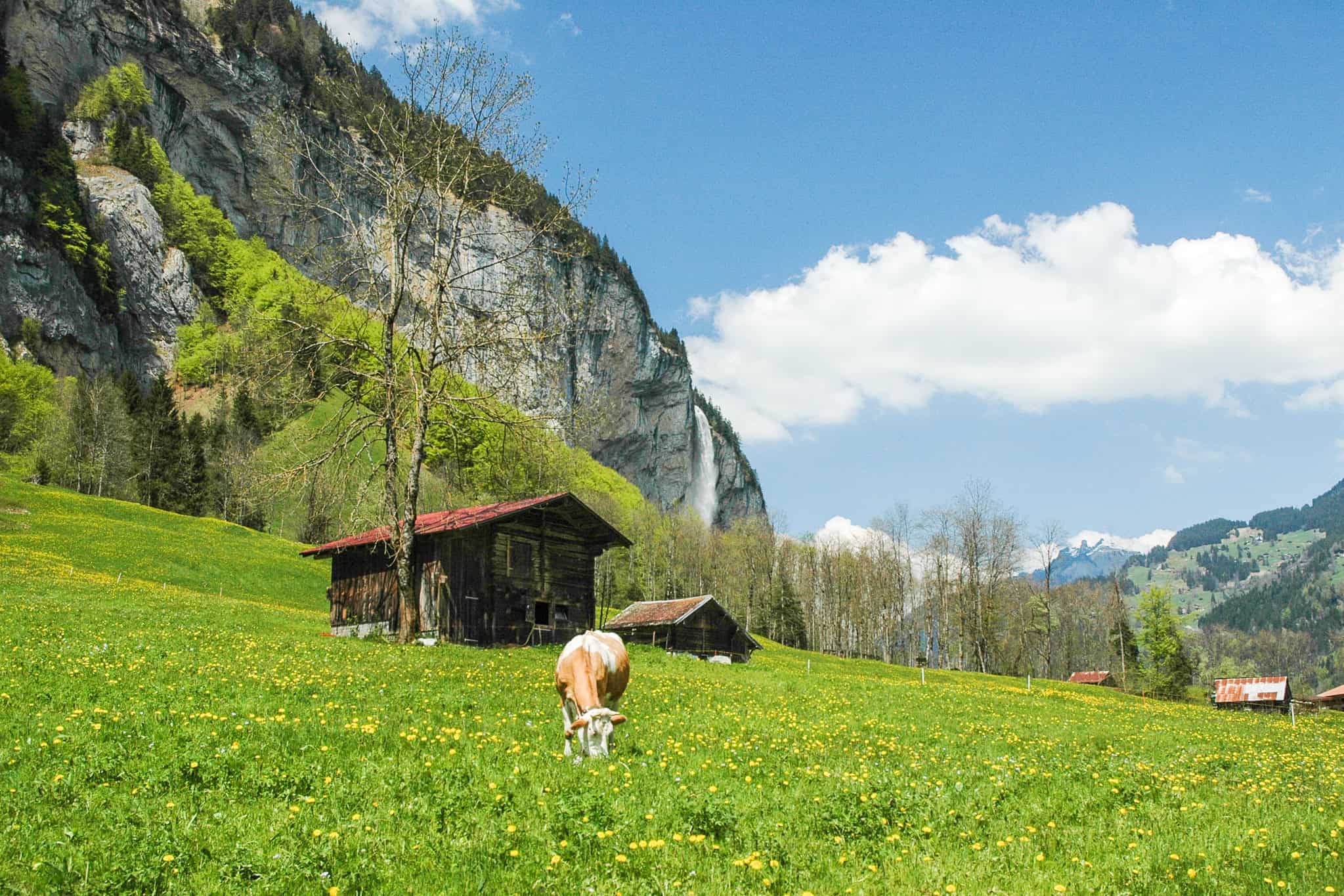
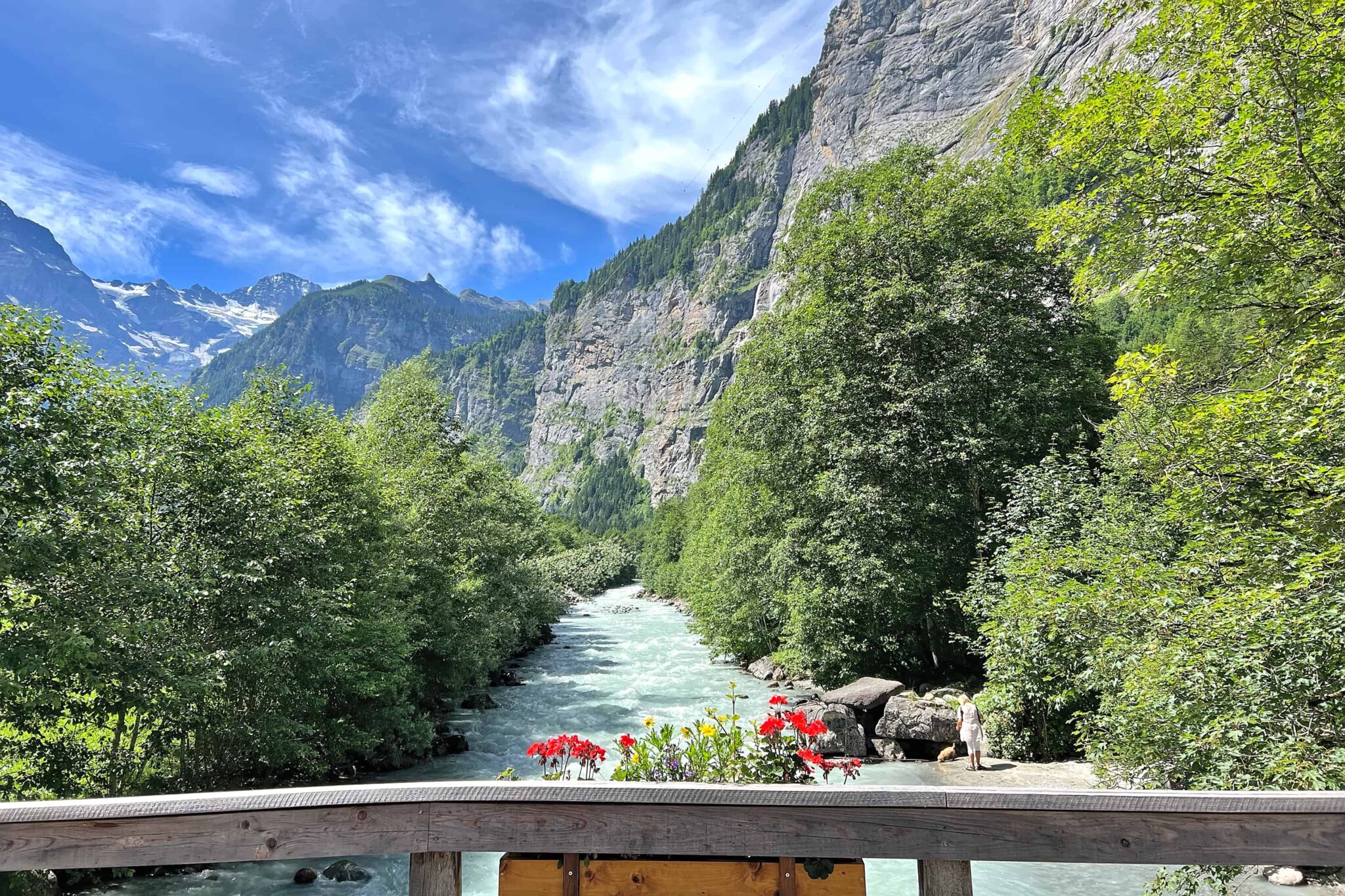
Huge rock walls rise up hundreds of meters from the valley floor, particularly on the west side. This impresses Arno and me time and time again as soon as we arrive in the village. On the east side, you’ll find foresty slopes going up to Wengen, and again rock walls.
You can see quite some peaks, but not as many as from Mürren, Wengen or Grindelwald: these towns are at higher elevation and offer wider views.
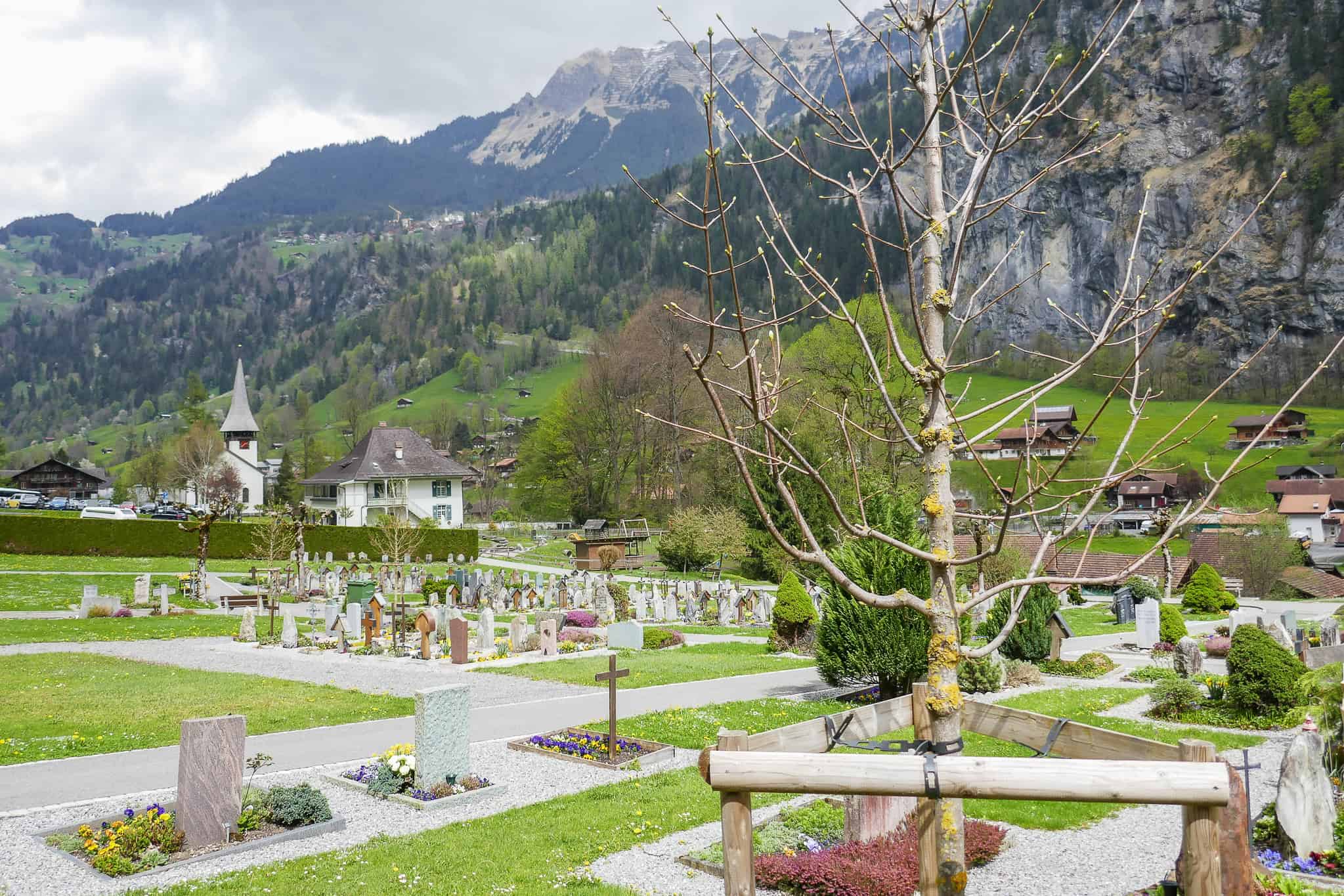
The Lauterbrunnen Valley, the Staubbach Fall, and other waterfalls
The waterfalls of Lauterbrunnen and its valley
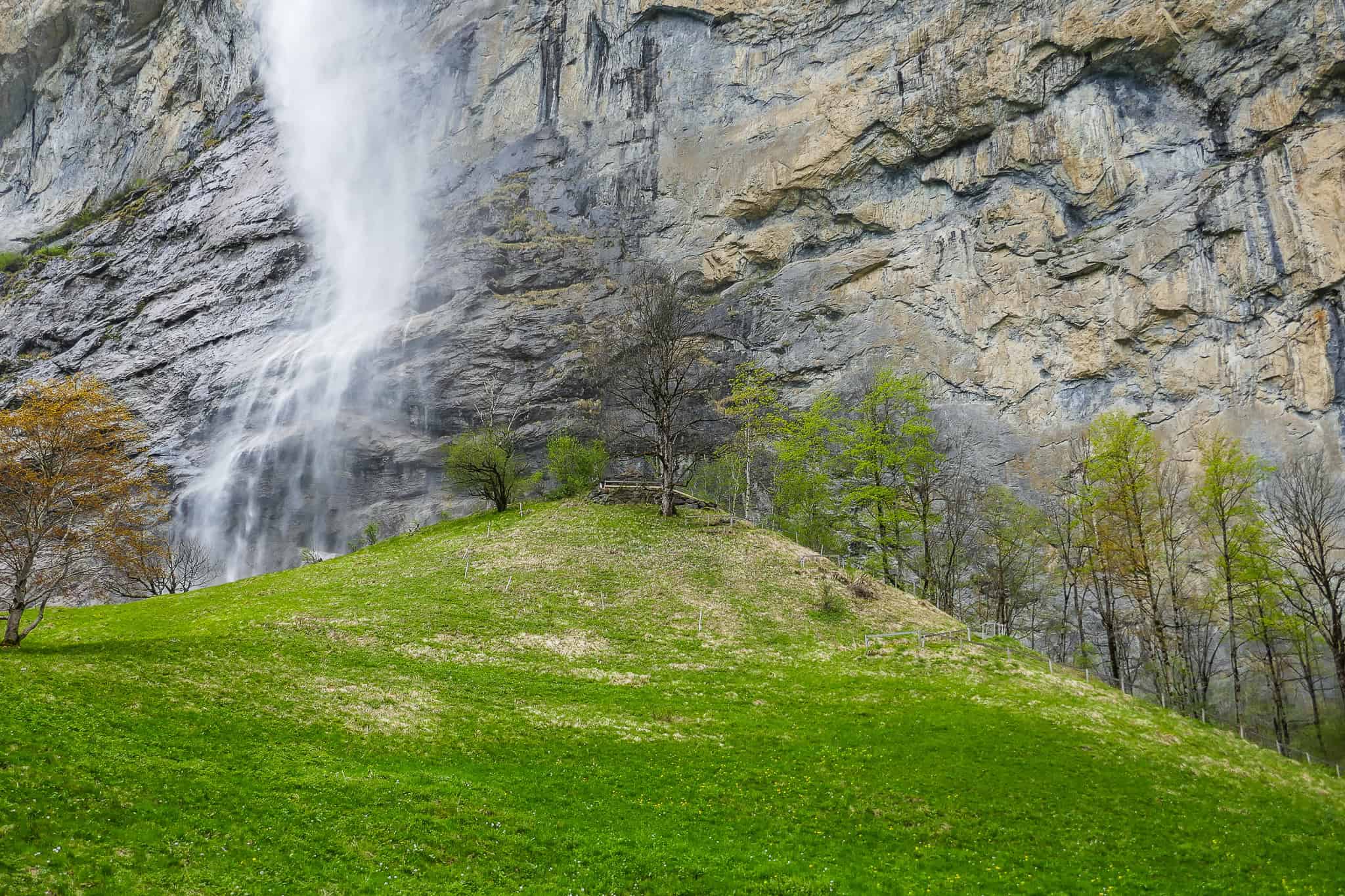
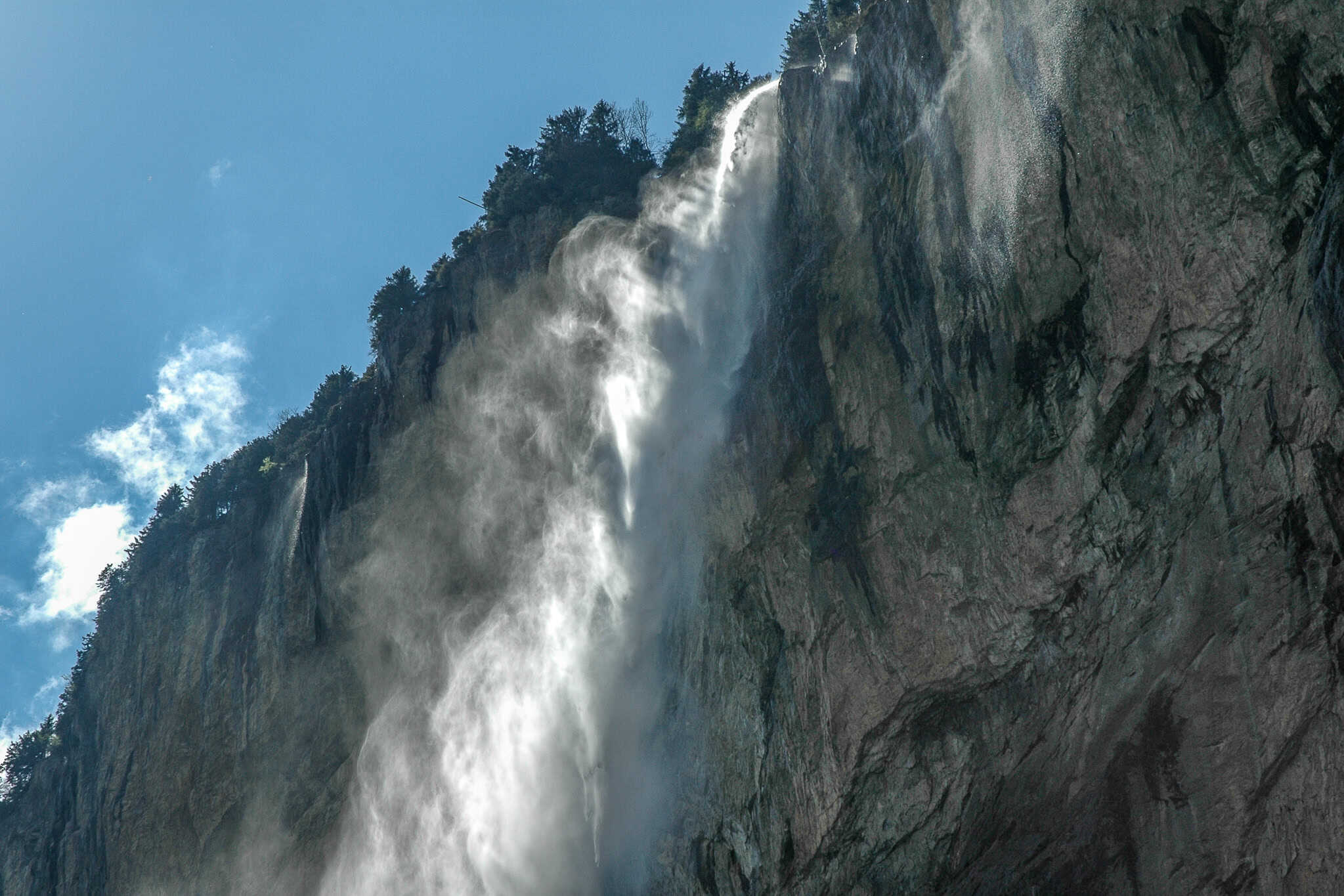
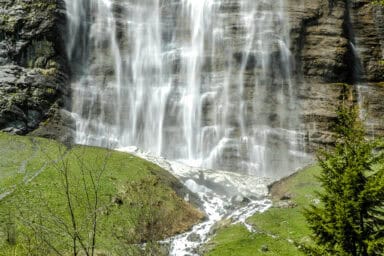
The Lauterbrunnen Valley is famous for its 72 waterfalls. There are smaller and larger ones. You’ll have to look hard to find all of them. But some are impossible to miss, such as the famous Staubbach Fall just outside the village. “Staub” means “dust”, which refers to the very fine water mist that blows from the water as it tumbles down.
Some waterfalls are within the mountains, for example the Trümmelbach Falls that can be visited from spring to fall. There’s also the Mürrenbach Fall close to the valley station of the Schilthorn cable car in Stechelberg.
The river Lütschine
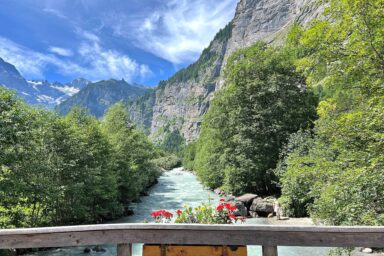
The river Weisse Lütschine (“white Lütschine”) crosses the entire valley from south to north. At Zweilütschinen (“two Lütschines”) it comes together with the Schwarze Lütschine (“black Lütschine”) from Grindelwald and then flows further north under the name “Lütschine”.
A paradise for hikes
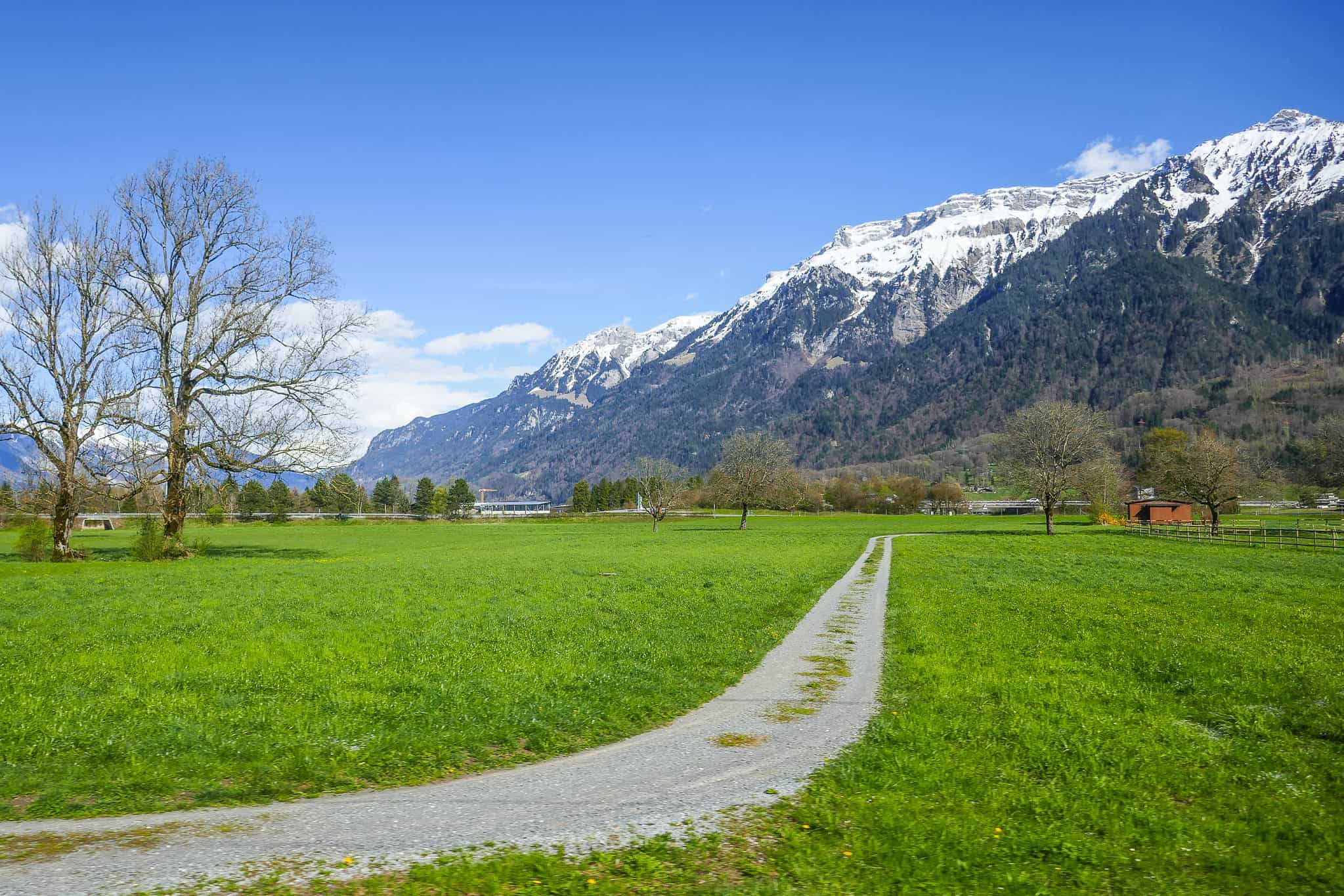
The area is tremendous for easy hikes at the valley floor from spring to fall. More challenging routes are at the southern end of the valley, which is bordered by the Breithorn and other high peaks.

Pros and cons of Lauterbrunnen
A small village
Lauterbrunnen is small, but offers everything you need to enjoy your holidays: several hotels and restaurants, a campsite, and a supermarket.
Central location
Perhaps Lauterbrunnen’s biggest advantage is its central location on the valley floor. If you want to explore the Jungfrau Region, traveling from Lauterbrunnen is convenient as you can quickly reach Interlaken, Mürren and Wengen.
Busy and touristy in high season
Unlike Mürren and Wengen, Lauterbrunnen isn’t car-free. It is the transit town for people on their way to Mürren and Wengen. There can be quite some traffic on the main road in high season.
In addition, Lauterbrunnen has become famous for its beautiful waterfall. Many tourists want to see it and take pictures. This results in high numbers of visitors in what’s only a small village, especially from June to September. Shops, parking places, the main street, and photo spots near the waterfall can get crowded.
Between high rock walls
Some people feel somewhat “locked in” in Lauterbrunnen because of the narrow valley and the rock walls on both sides of the village.
Unlike the villages in the mountains, Lauterbrunnen can be shady for quite some time each day, because the sun is hidden behind the mountains. This happens particularly in winter, when daylight is already short.
Lauterbrunnen FAQ
-
Is Lauterbrunnen worth visiting?
Yes, Lauterbrunnen is situated in the spectacular Lauterbrunnen Valley. If you value natural beauty and lots of waterfalls, Lauterbrunnen is the place to be. It’s also located strategically: between Interlaken and the mountain villages of the Jungfrau Region.
-
How many days to spend in Lauterbrunnen?
To get a good impression of the Lauterbrunnen Valley, plan at least a 2- or 3-day stay in the village. This allows you to make a few hikes and mountain excursions, and to enjoy the views from different angles.
-
Is Lauterbrunnen car-free?
-
Where to stay: Lauterbrunnen, Wengen, Mürren, Grindelwald or Interlaken?
Find the answer in our guide about the Jungfrau Region.
-
What’s the closest airport to Lauterbrunnen?
Zurich Airport is nearest to Lauterbrunnen. You’ll reach the village in a 2h40-train ride from the airport. A train journey from Basel EuroAirport takes 2h55, from Geneva Airport 3h40.
What to see and do near Lauterbrunnen
Find excursions near Lauterbrunnen


The 3 must-do's in Lauterbrunnen
If your time in Lauterbrunnen is limited, I suggest you do at least these 3 things:
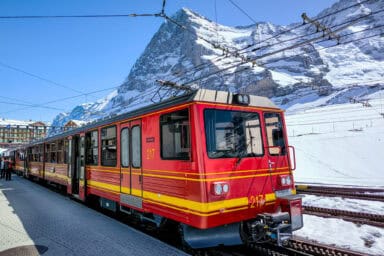
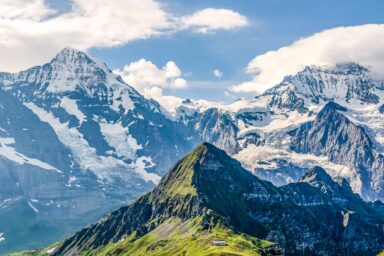
- Visit the Jungfraujoch or Schilthorn - or even both! They're the most famous mountaintops in the Bernese Oberland, and for good reason.
- Make an easy walk with great views. Lauterbrunnen to Stechelberg is a beautiful path in the valley. Grütschalp to Mürren or Männlichen to Kleine Scheidegg are great trails higher up.
- Watch the Staubbach Fall in the village.
Winter activities in Lauterbrunnen
Lauterbrunnen is on the valley floor at about 800 m. This means that snow in town is not guaranteed.
But you can access these nearby ski areas for all sorts of snow fun:
- Mürren (20-25 minutes by cable car and train)
- Wengen (11 minutes by train)
- Grindelwald (40 minutes by train via Zweilütschinen, or 1h40 by cogwheel trains via Kleine Scheidegg)
Bad-weather activities
Staying in Lauterbrunnen means you depend on the weather, as nearly all activities are outdoors. Some ideas for rainy days:
- www.truemmelbachfaelle.ch: Trümmelbach Falls
- www.jungfrau.ch: parking in the Jungfrau Region
- www.lauterbrunnen.swiss: Lauterbrunnen Guest Card
Itineraries including Lauterbrunnen
Best of the Alps

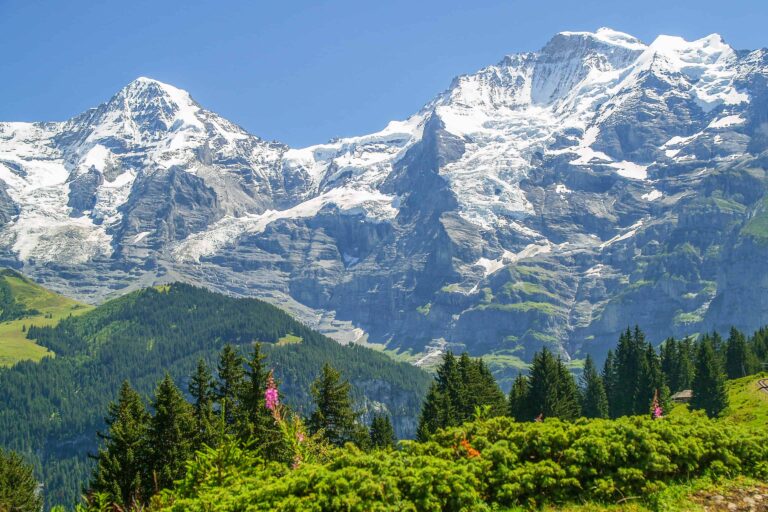
Hike Grütschalp-Mürren
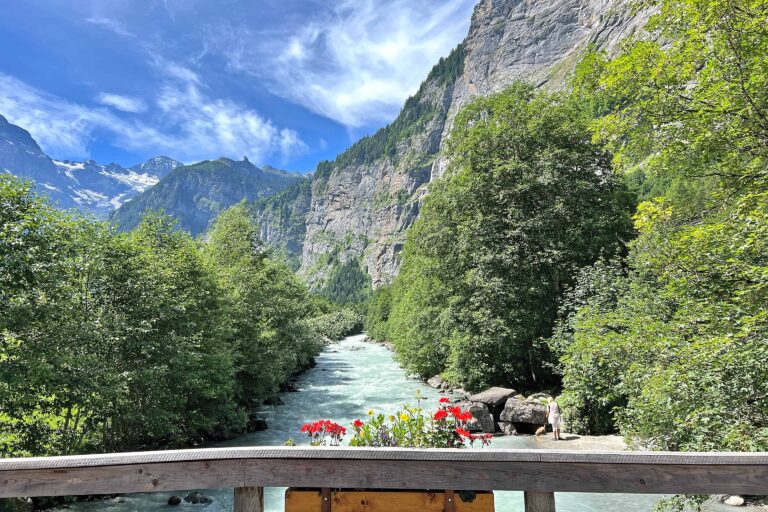
Hike Lauterbrunnen-Stechelberg
Tourist hypes: popular small spots
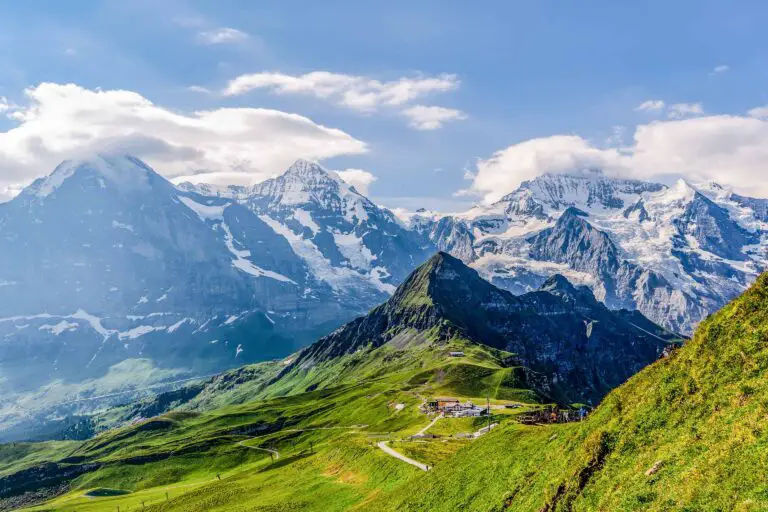
Jungfrau Region
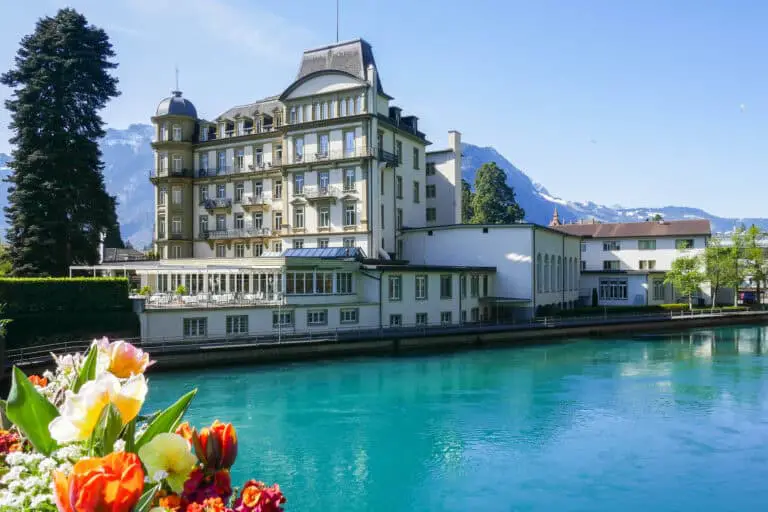
Interlaken
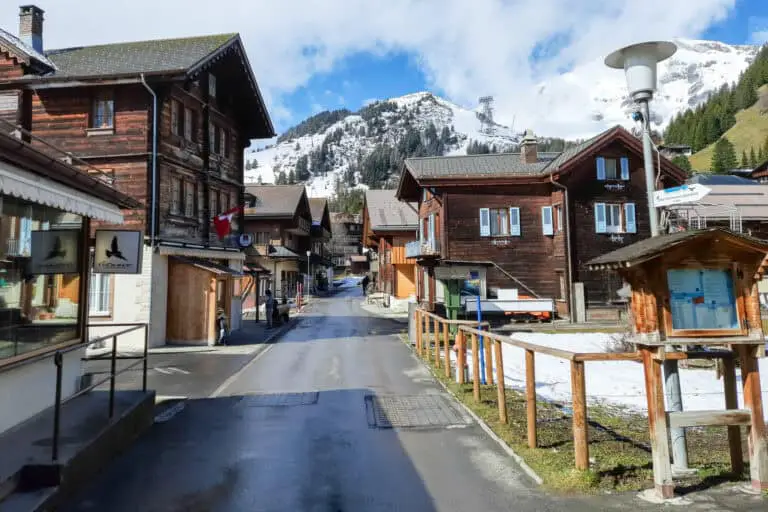
Mürren
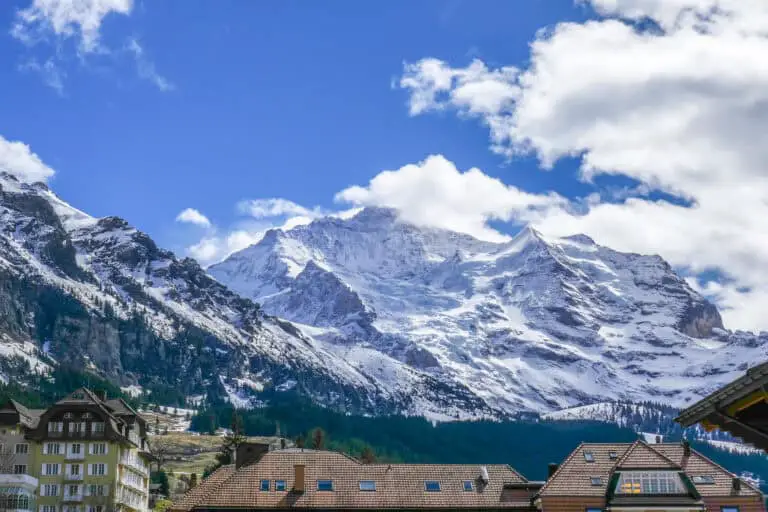
Wengen