
 MySwissAlps.com includes
 This page was last updated by
  Region:
  Recommended season: early January to late February and early April to late October
 Altitude: 567 m (1860 ft)
 Town size: Medium
 Local language: German
 There is a train station
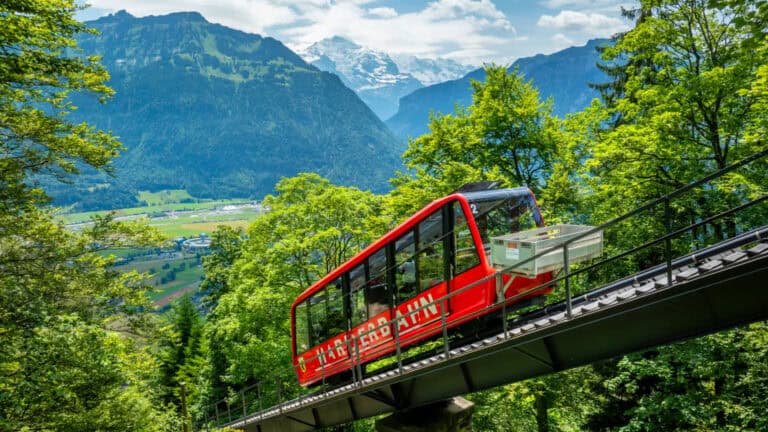 Funicular
Harder Kulm
Skip the ticket counter. Full ticket for the funicular from Interlaken city.
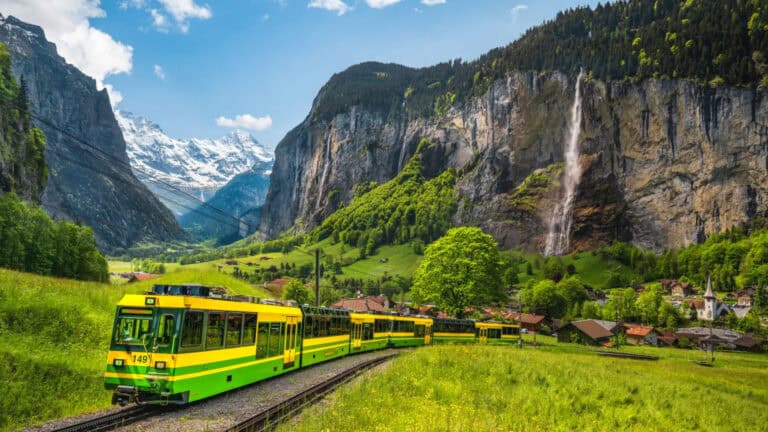 Unlimited travel
Berner Oberland Pass
Unlimited train, boat, lifts & mountain railways across the Berner Oberland.
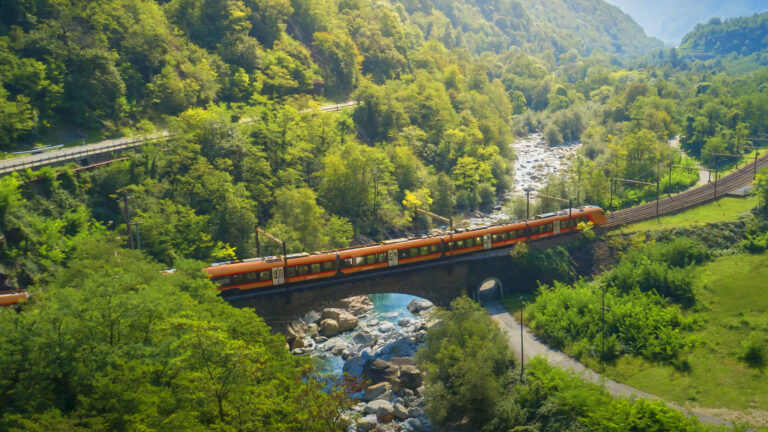 Unlimited travel
Swiss Travel Pass
Unlimited train, bus, & boat travel across Switzerland.
Video 
All about traveling to, from, and in Interlaken - plus town map
How to travel to and in Interlaken: quick overview
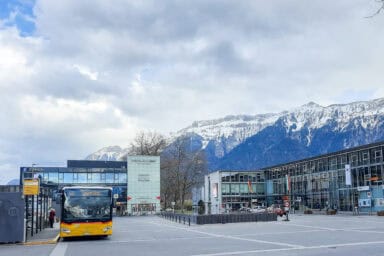
Interlaken can be reached by train and by car. The town center is compact and can easily be explored on foot, but there are buses and trains too. The two rail stations Interlaken West and Interlaken Ost are the starting point for all of your day trips.
How to get to Interlaken by train
There are direct trains to Interlaken from several major towns around Switzerland. You can quickly reach Interlaken from the airports of Zurich, Basel and Geneva too. Examples of travel times:
- 2h10 from Zurich Airport, 1h55 from Zurich
- 2h30 from Basel EuroAirport, 2h00 from Basel
- 3h00 from Geneva Airport, 2h55 from Geneva
- 1h50 from Lucerne (via the northern leg of the GoldenPass route)
- 0h55 from Bern
All connections can be found in the timetable.
The rail stations Interlaken Ost and West
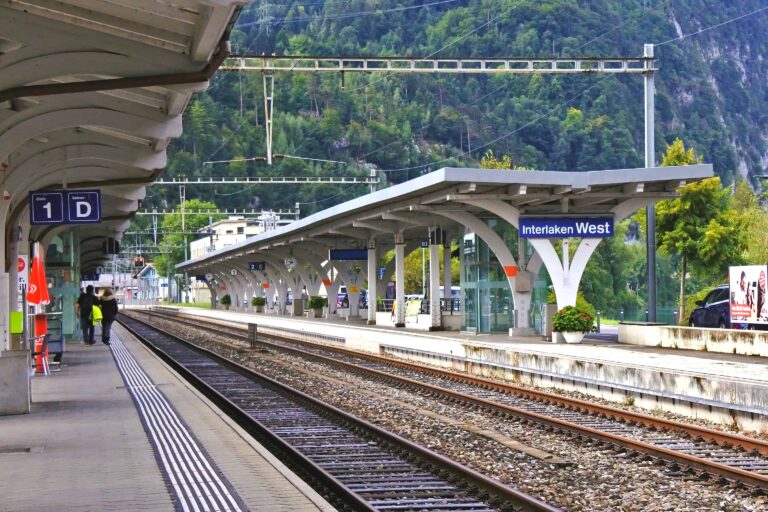
Interlaken has two train stations: Interlaken Ost and Interlaken West.
Traveling between Interlaken Ost and West
Getting from one station to the other is easy:
- The main shopping street connects both stations. It's called "Bahnhofstrasse" near Interlaken West, and "Höheweg" near Interlaken Ost. It's just 20 minutes on foot between both stations.
- There are frequent trains between the stations. The ride takes 4 to 5 minutes.
- Many bus connections are available too. Count on 15 to 20 minutes between West and Ost.
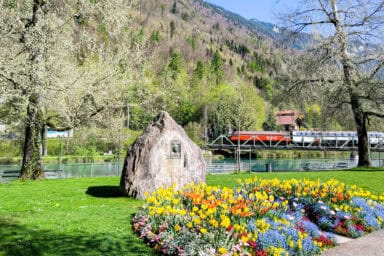

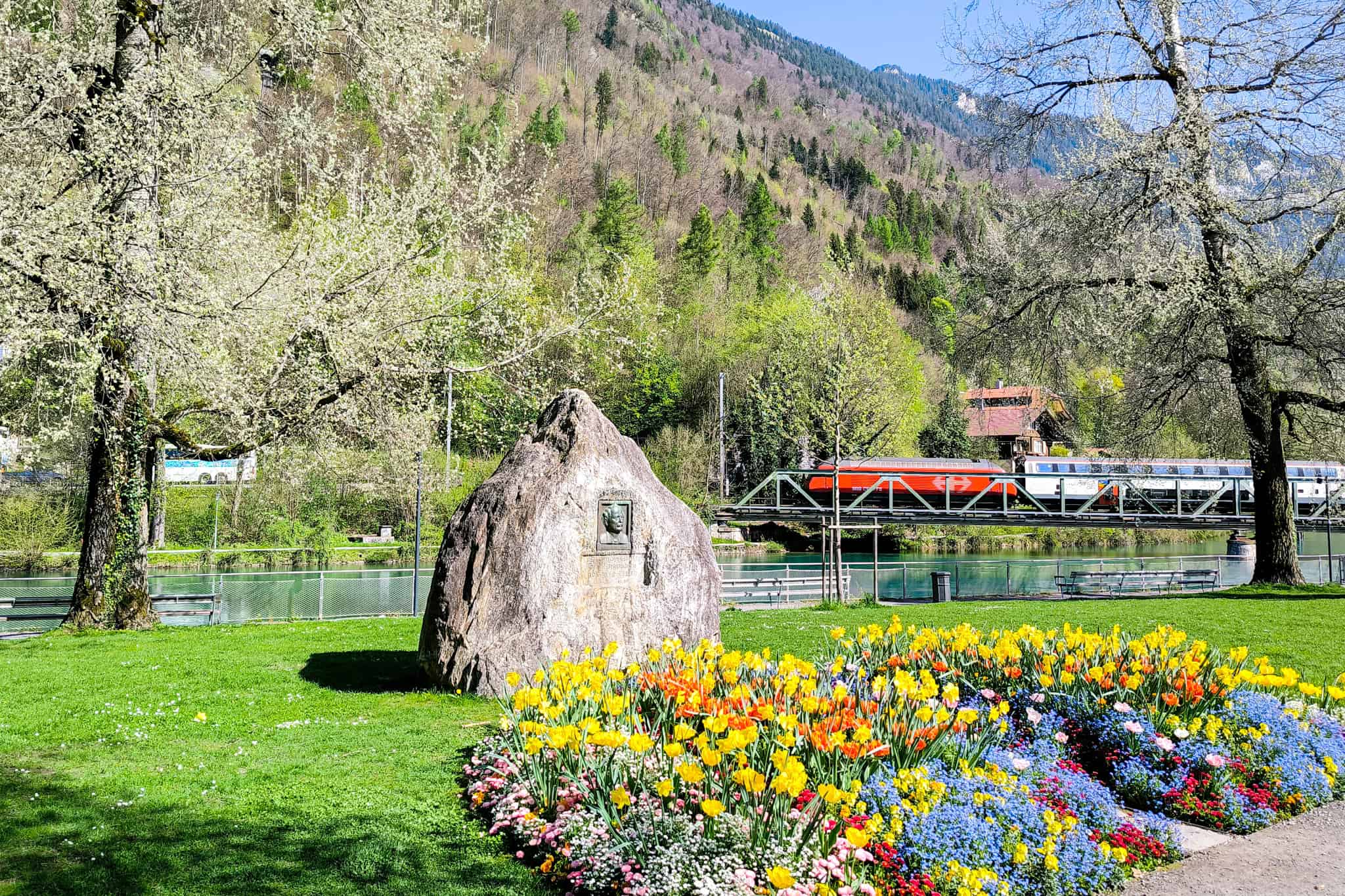
About Interlaken Ost
Interlaken Ost is the larger station:
- It's where trains to the Jungfrau Region depart.
- The GoldenPass Express and the Luzern-Interlaken Express, both part of the GoldenPass line, start and end here.
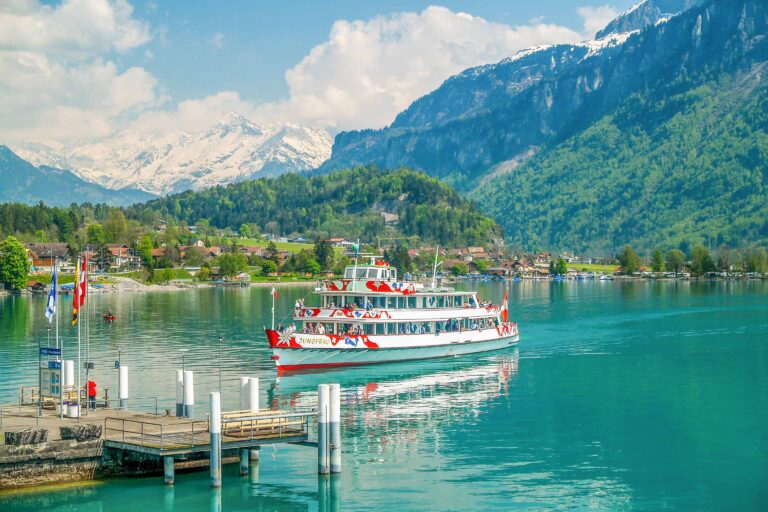
- The Harder Kulm valley station and the boat dock for cruises on Lake Brienz are just minutes on foot from Interlaken Ost.



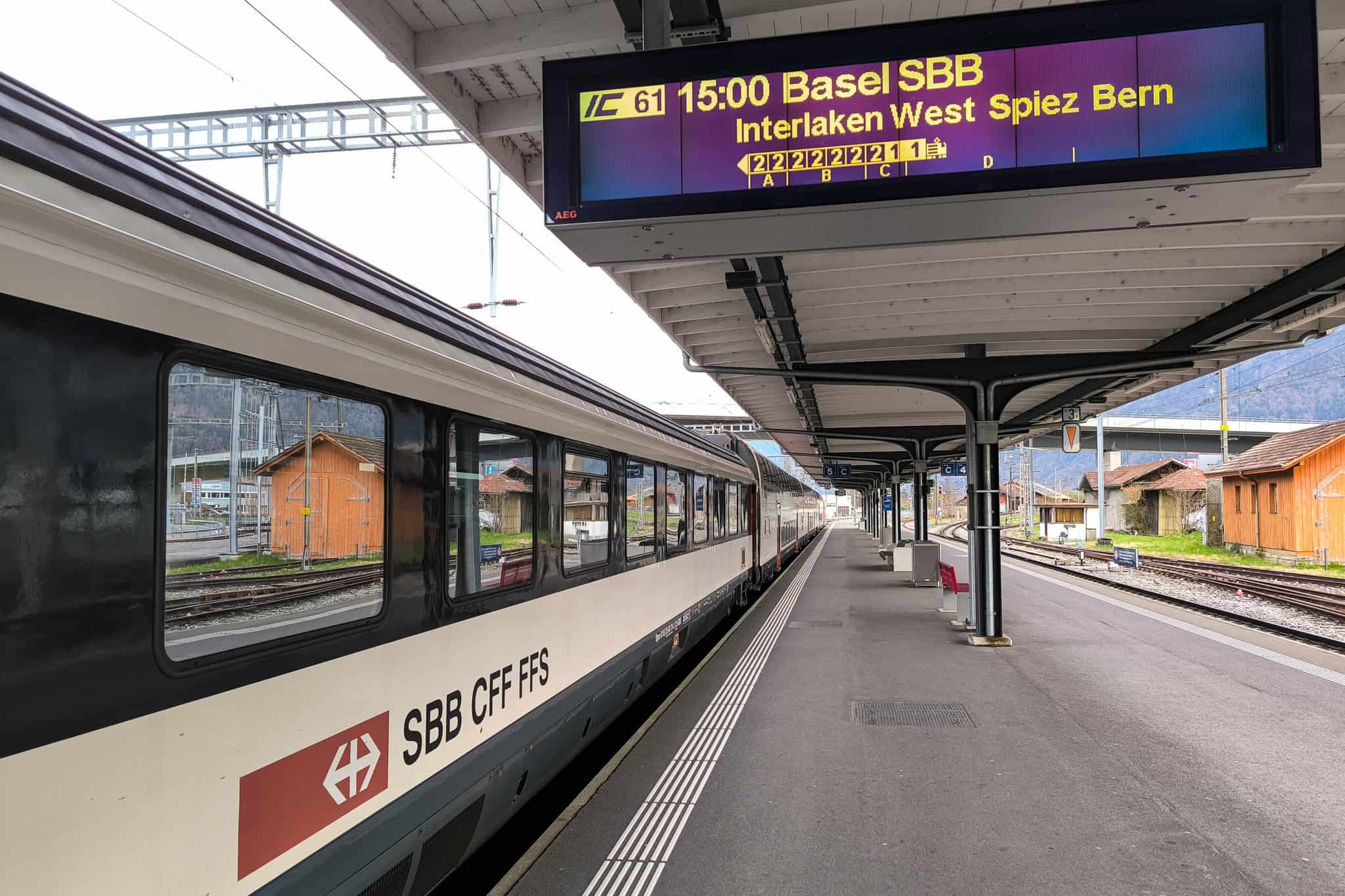


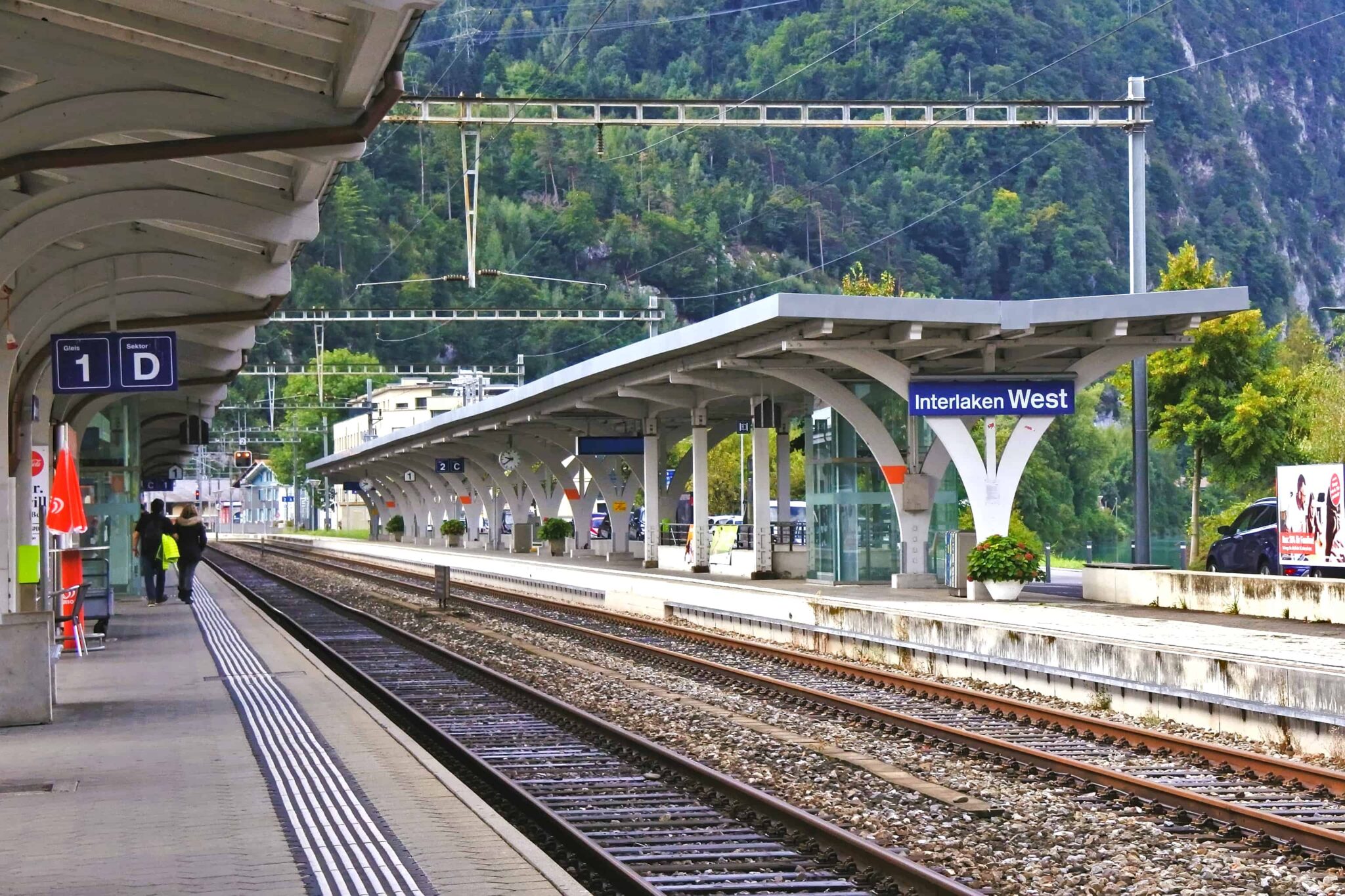
About Interlaken West
Interlaken West is a bit smaller, but hardly less convenient:
- All trains between the north-west (Basel/Bern/Thun/Spiez/Visp) and Interlaken Ost also stop at Interlaken West.
- If you want to travel from Interlaken West to the east (to Brienz/Meiringen) or south (to the Jungfrau Region), you'll have to change trains at Interlaken Ost.
- Interlaken West provides access to the boats at Lake Thun.

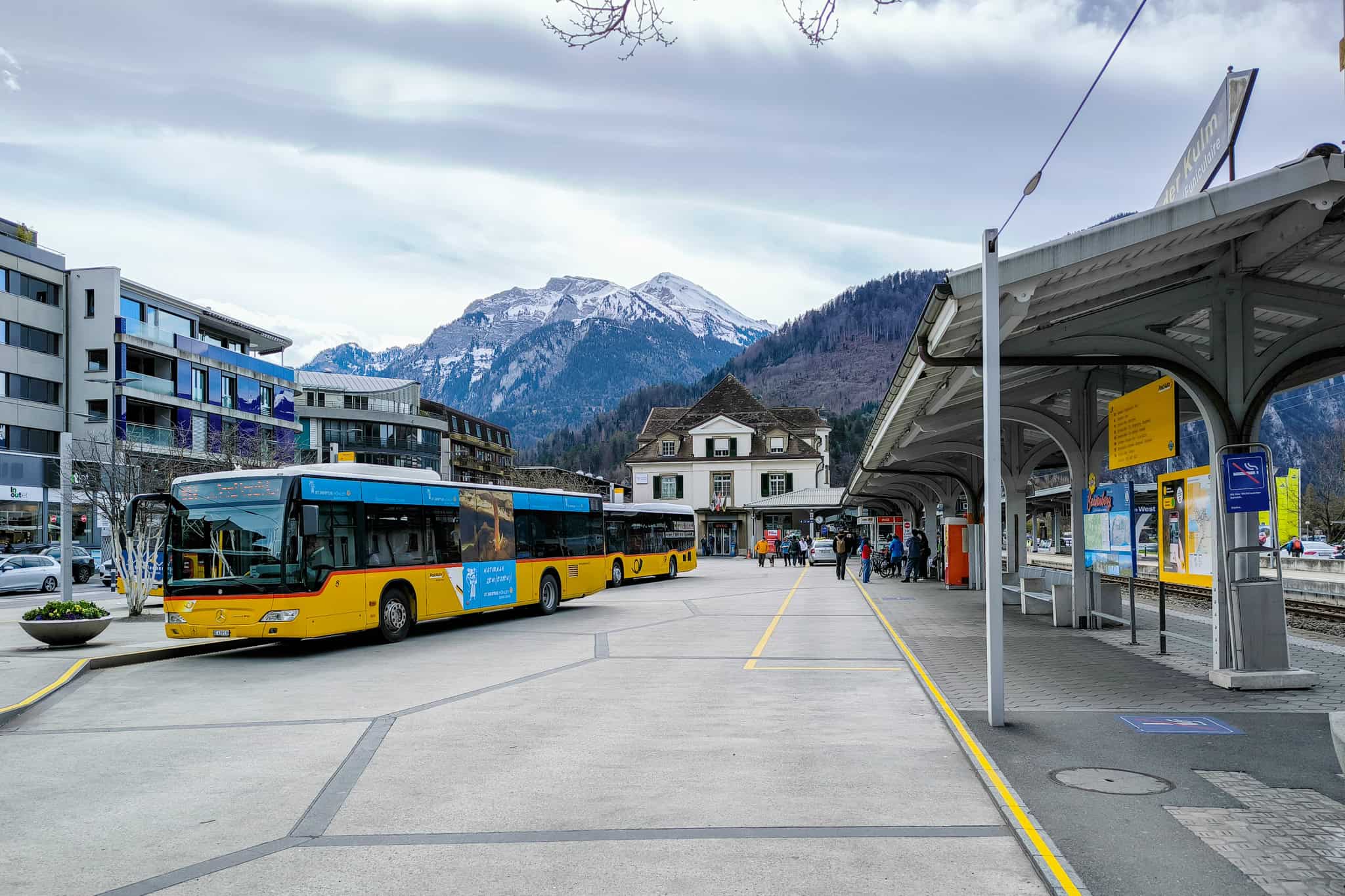
It's easy to find your way in Interlaken
Although the town center of Interlaken feels like a busy city, it is actually quite small. Basically, the town center is situated around the two rail stations.
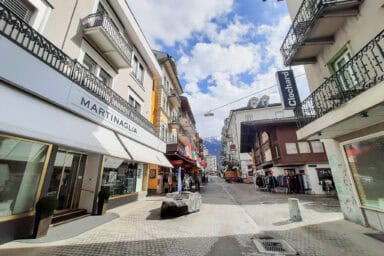
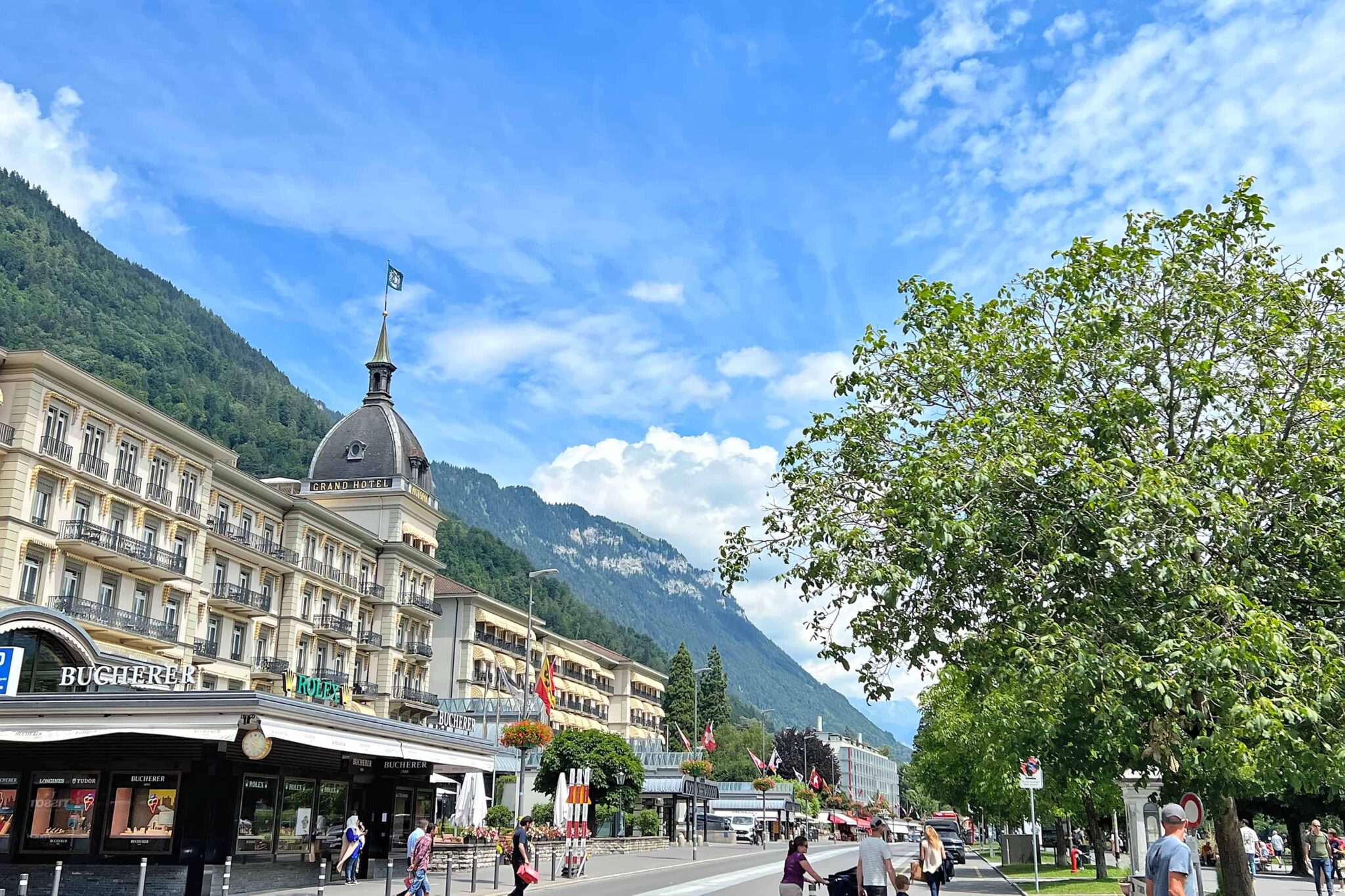
If you leave station Interlaken West and turn left, then directly right into the Bahnhofstrasse/Höheweg, you'll reach Interlaken Ost in about 20 minutes. This main street and a few of its side streets are the town center of Interlaken. Most shops and many hotels are located on, or near, the main street street.
About halfway, you'll see the pretty Höhematte park with views of the Jungfrau.



Buses in and from Interlaken
Buses provide transport within Interlaken and to nearby towns.
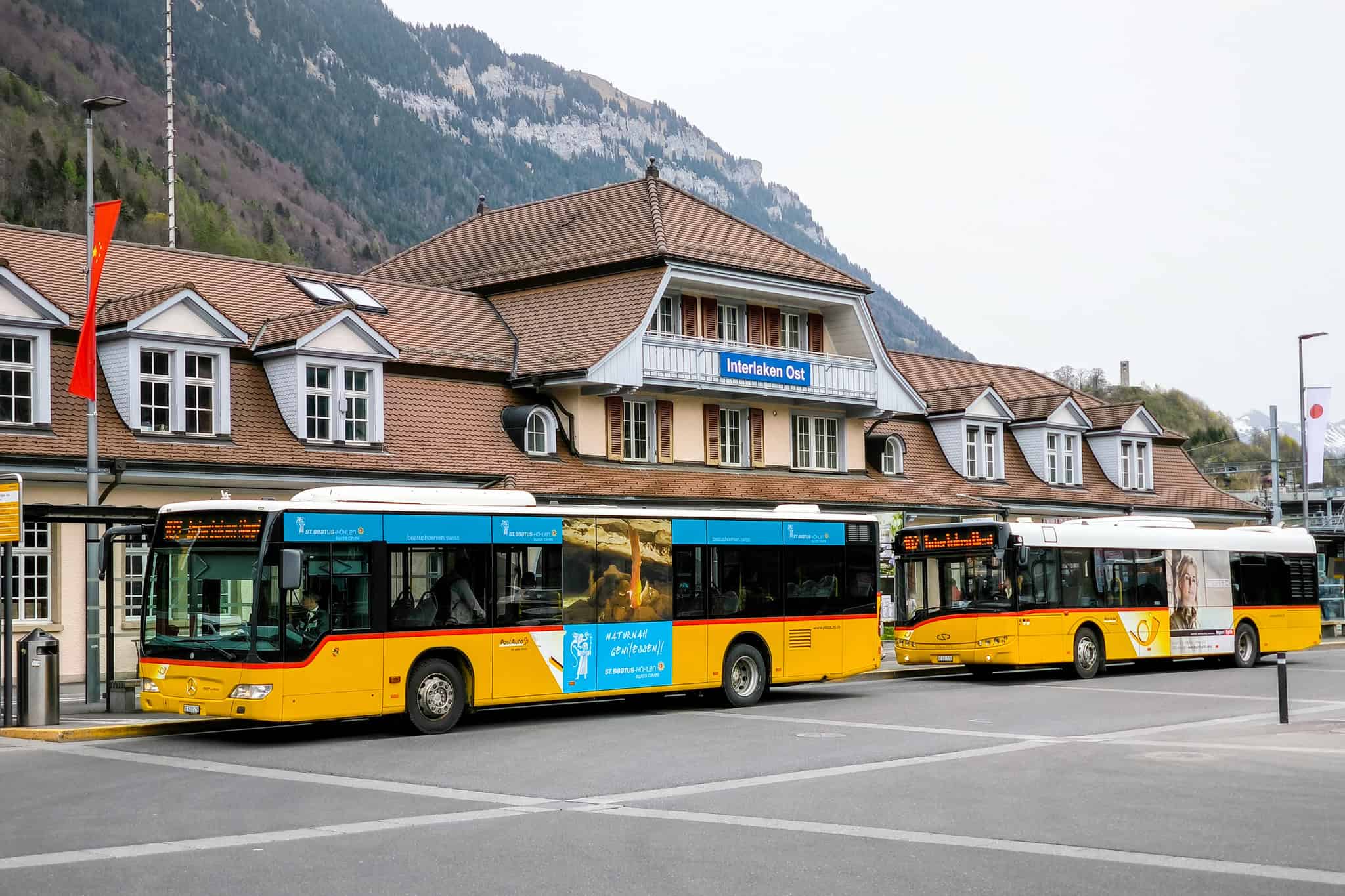
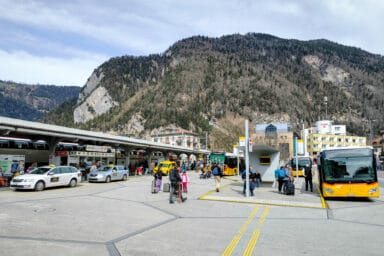
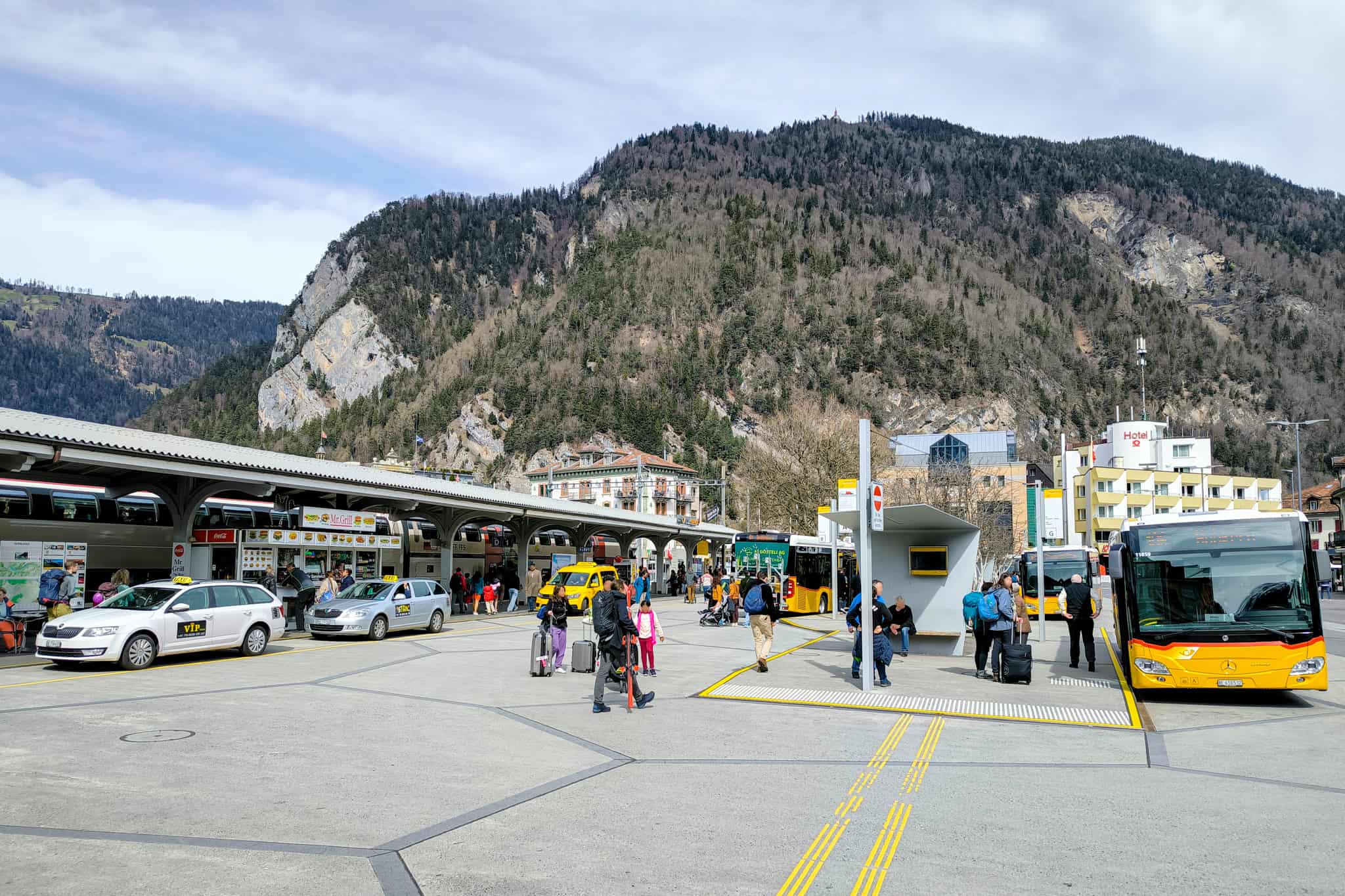
The main bus platforms are right next to the two rail stations. The bus stop at the West station is called "Interlaken West, Bahnhof" in the Swiss timetable; the stop at the Ost station is called "Interlaken Ost, Bahnhof". Most buses stop at both Interlaken West and Interlaken Ost.
Examples of nearby destinations you can reach by bus (and sometimes by train too):
- Thun, Spiez, and other villages on Lake Thun
- Beatenberg above Lake Thun
- Bönigen, Iseltwald, and Ringgenberg on Lake Brienz
- Gsteigwiler and Wilderswil south of Interlaken

Free local travel for hotel guests
If you stay in a hotel or other accommodation in Interlaken, you'll get a free "Interlaken Pass". It's the digital version of the paper "Interlaken guest card", which is still available if that's what you prefer.
The Interlaken Pass provides free travel by all modes of transport in the town's immediate surroundings. That sounds attractive, but in most cases, you'll need more than this.
Rail passes for your stay in Interlaken
Interlaken's guest card only applies to a small area. A rail pass is the best way to cover transportation into the mountains and towns farther away.
The ones to look into for Interlaken are:
- The Berner Oberland Pass. You'll get great value for your money if you want to travel across the Bernese Oberland.
- The Jungfrau Travel Pass. This one's suitable if you'll be focusing on the Jungfrau Region south of Interlaken.
- The Swiss Travel Pass or Swiss Half Fare Card. These are the best options if you value the freedom to travel in all directions from Interlaken.
We gladly help you choose in our rail pass comparison guide.
How to get to Interlaken by car
Interlaken can be reached by car as well. It's a 2-hour drive from Zurich or Basel and a 2h40-journey from Geneva.
What to be aware of if you arrive by car
- In some cases, you'll have to cross mountain passes before you reach Interlaken. Some are closed in winter, which means you have to find a detour. A car train can be a solution for several routes.
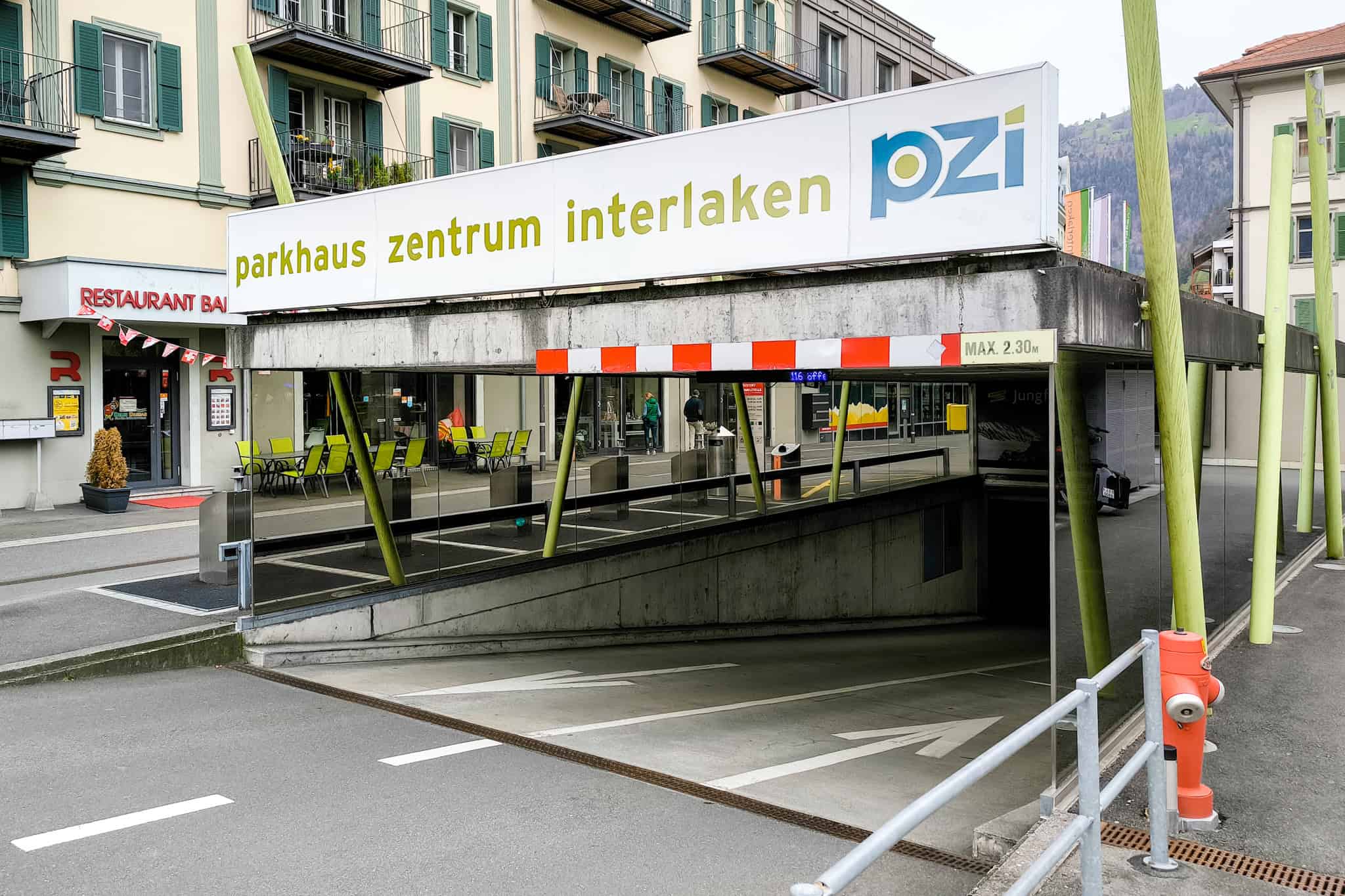
- Parking spaces in Interlaken are scarce and nearly always paid.
The main car routes to Interlaken
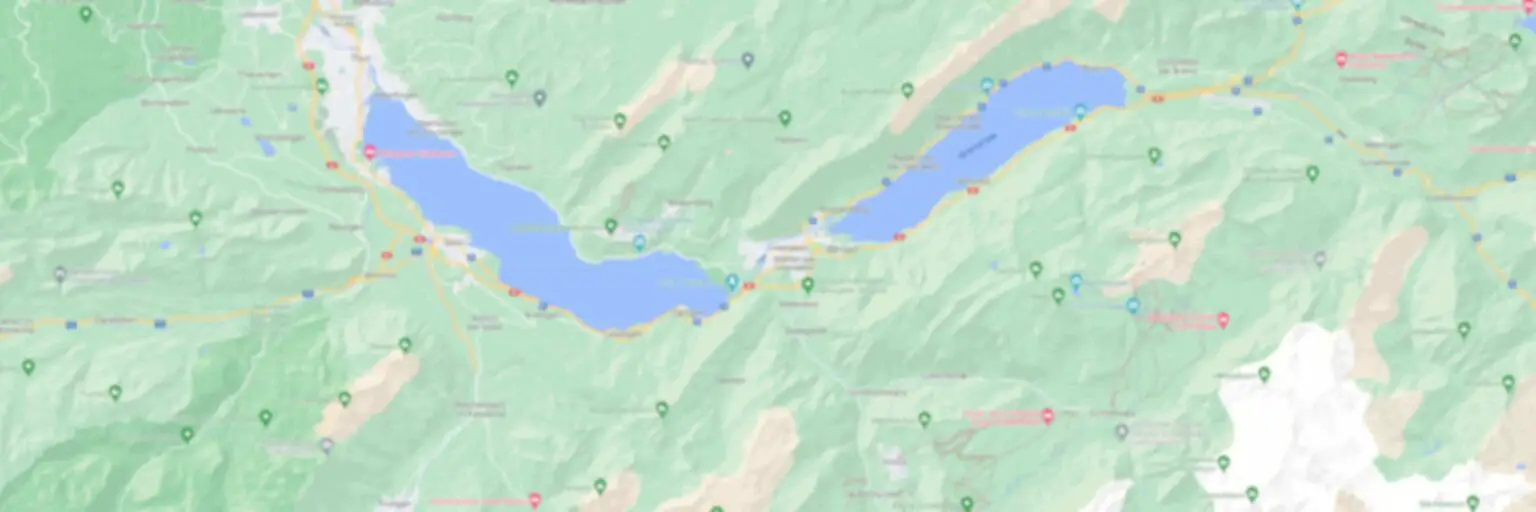
- Coming from Zurich or Lucerne in the north, you'll cross the Brünig Pass. In my opinion, this is a relatively easy pass. It's open year-long, if weather allows.
- The Lötschberg car train is the obvious option if you travel from Zermatt or Brig in the Valais.
- The Grimsel Pass has to be crossed if you travel from the Upper Rhone Valley in the Valais.
- You'll drive the Gotthard Pass and the Susten Pass if you're coming from Andermatt. This is the route you'll take from the Ticino for example. You can avoid the Susten Pass by traveling via southern Lake Lucerne instead. Take the road to Altdorf and Hergiswil in that case, then continue toward the Brünig Pass.



Much-traveled routes to and from Interlaken
Interlaken to Zurich
The best time to visit Interlaken
The best months to visit Interlaken are early January to late February and early April to late October.
Interlaken in winter
January and February
January and February are the best months for winter activities in the Jungfrau Region south of Interlaken. Snow in the town itself does occur, but it's not very common.
November, December and March
- November, December and mid- to late March are low season. They're at the start and end of winter season. Cable cars and mountain trains can be closed for maintenance. They often start running by end-December, and operate until mid-March or April. This sometimes depends on weather conditions.
- Depending on the amount of snow, ski areas near Wengen, Grindelwald and other mountain villages may or may not be open. This depends on the amount of snow.
- Hiking trails in the mountains can be muddy, and special winter hiking trails may not yet, or no longer, be groomed.
Interlaken in spring, summer, and fall
April, May and June
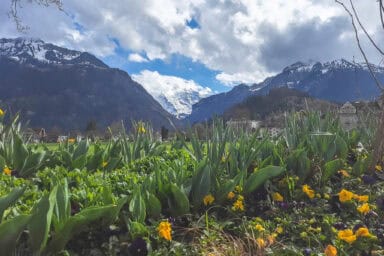
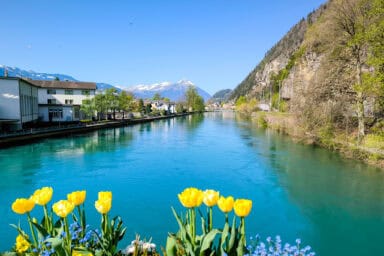
- April and May are still low season for cable cars and mountain trains in the Jungfrau Region. But quite a few mountains can be reached year-long. Boats at Lake Brienz start operating by mid-April, boats at Lake Thun will switch to a more frequent schedule. This is one of my favorite times of the year for a visit. That's because nature around Interlaken is at its best: the fresh green spring meadows and forests contrast beautifully with the snowy mountain tops. It's not the best time for high-altitude hiking.
- In June, nearly all mountain tops in the Interlaken area are accessible. It's usually less crowded and less warm than in August and July.

August, July and September
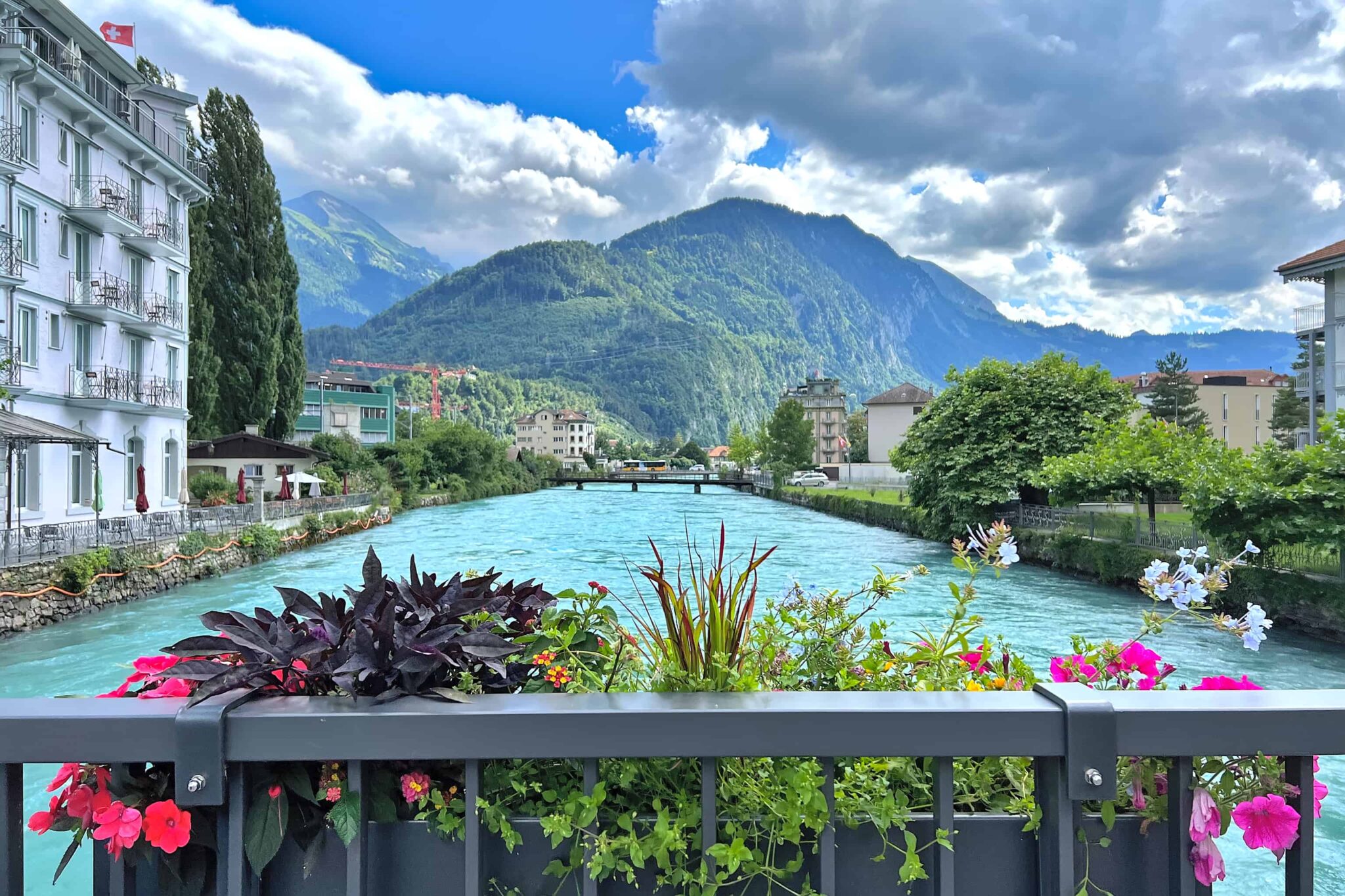
- August and July are high season. Interlaken is busy with tourists. Many of them, as well as the Swiss themselves, visit the Bernese Alps for hiking, mountain biking and other outdoor activities.
- September is a bit quieter than August and July. The weather is often still warm and sunny.
- If you plan mountain hikes, these are the best months.
October
- Most mountain transport in the Interlaken area operates until mid- to late-October.
- It's much quieter than during summer.
- Autumn sets in. The forests turn into beautiful shades of red and yellow. Snow can start to fall in the mountains, which means that high-altitude hiking trails may no longer be accessible.
- It's the perfect time to enjoy valley hikes, boat rides, and scenic train rides to nearby cities such as Bern and Lucerne.
Weather in Interlaken and forecast
What are the temperatures in Interlaken?
In winter, expect day temperatures a few degrees above freezing point in the town. It will be colder up in the mountains.
Day temperatures during the summer range from 18 °C to 25 °C. It can get hotter during a heatwave.
When does it rain in Interlaken?
Most precipitation in Interlaken occurs in May, June, July and August. Showers are more common than days of endless rain.
Does it snow in Interlaken?
It can snow in Interlaken, especially during the coldest winter months: January and February.
Snow in the mountain villages of the Jungfrau Region, which are at higher elevations, is much more common though.
Is Interlaken sunny?
Interlaken is on a plain between two lakes. Clouds tend to build over the mountain peaks first, especially in summer.
This is why Interlaken usually stays sunny for a longer time than mountain villages such as Wengen.
Is Interlaken cloudy and foggy in autumn?
Fog and low clouds can occur in fall. This can make Interlaken and the mountain villages south of it look grey and dull to our taste. But sometimes, the sky is brilliantly clear at higher altitudes.
So it's worth it to check mountain webcams: you may have still an amazing trip to Schynige Platte, First, Männlichen or another mountain in the Jungfrau Region.
 Funicular
Harder Kulm
Skip the ticket counter. Full ticket for the funicular from Interlaken city.
Unlimited travel
Berner Oberland Pass
Unlimited train, boat, lifts & mountain railways across the Berner Oberland.
Unlimited travel
Swiss Travel Pass
Unlimited train, bus, & boat travel across Switzerland.
Hotels and apartments in Interlaken
Interlaken offers plenty of accommodation:
- There are many hotels. Find the best ones for your preferences in my extensive Interlaken hotel guide.
- Rental apartments are widely available as well. Most are in quite modern buildings. Traditional Swiss rental chalets are hard to find in the town center. If that's what you prefer, consider basing yourself in the outskirts of Interlaken or in nearby villages. Check my Jungfrau Region accommodation tips.
- There are several comfortable campsites in Unterseen, directly west of Interlaken: Lazy Rancho, Alpenblick and Manor Farm.
Interlaken hotel guide
The perfect hotel for your stay in Interlaken
Location and scenery
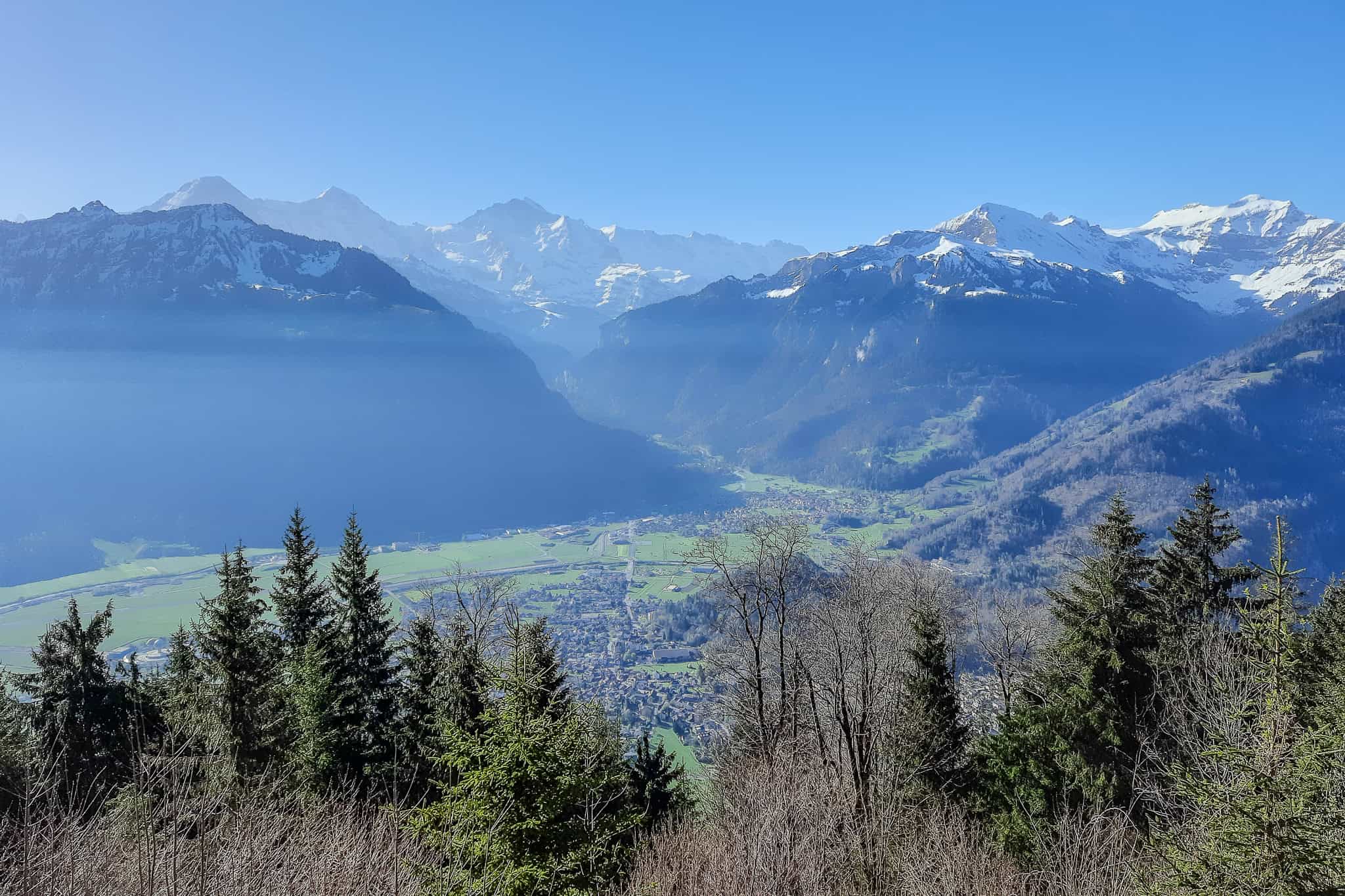
Interlaken is situated in the plains of the valley, not in the mountains. It’s surrounded by the Bernese Alps though. The larger holiday region is called the Bernese Oberland.
Interlaken is located on the edge of 3 smaller holiday regions within the Bernese Oberland:
- the Jungfrau Region south of Interlaken
- Lake Thun west of Interlaken
- Lake Brienz east of Interlaken
Directly north of Interlaken is a comparatively low mountain range. It borders on the north-eastern part of Lake Thun and on the entire northern banks of Lake Brienz. Mountain tops such as the Niederhorn, Harder Kulm and Brienzer Rothorn are located at this ridge.

 Funicular
Harder Kulm
Skip the ticket counter. Full ticket for the funicular from Interlaken city.
Unlimited travel
Berner Oberland Pass
Unlimited train, boat, lifts & mountain railways across the Berner Oberland.
Unlimited travel
Swiss Travel Pass
Unlimited train, bus, & boat travel across Switzerland.
The pros and cons of Interlaken
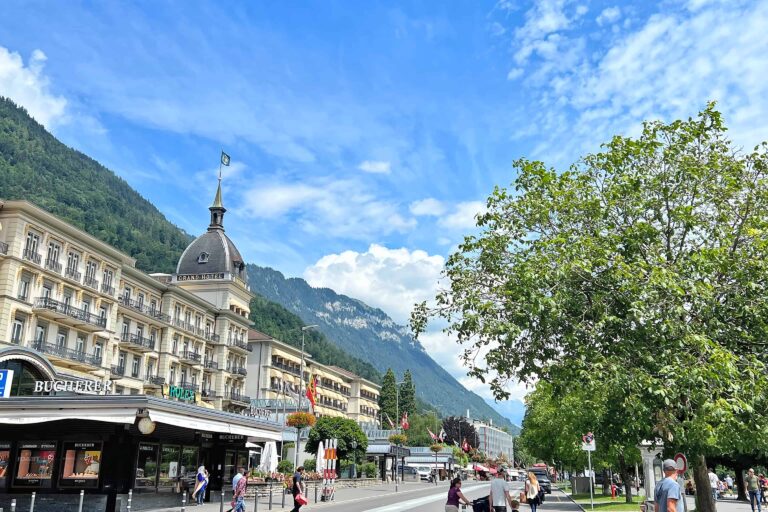
What the town looks like: modern architecture mixed with pretty spots
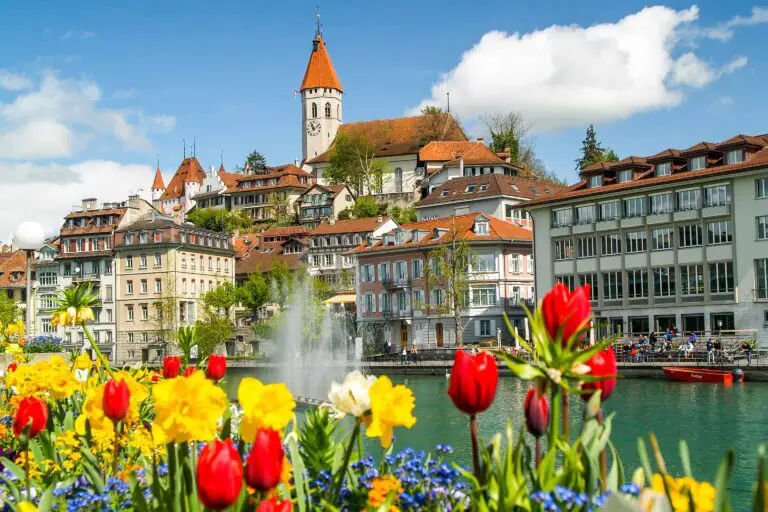
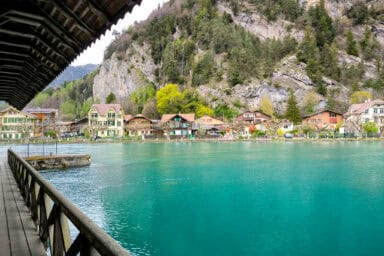
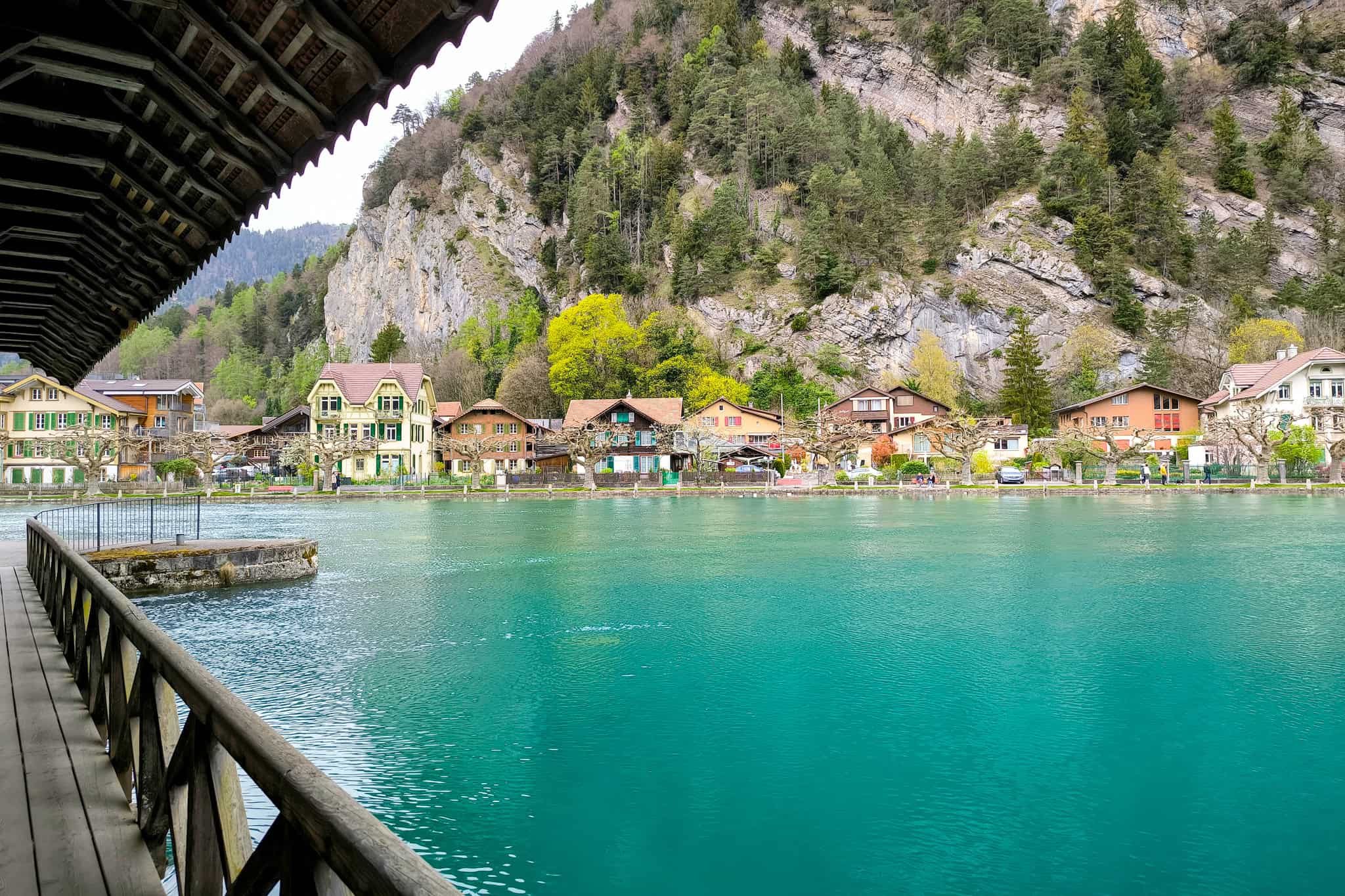
To my taste, Interlaken isn’t the prettiest town in the Bernese Oberland. It’s a fine-looking tourist center, without a lot of attractions of its own. There’s a mix of modern and traditional buildings.
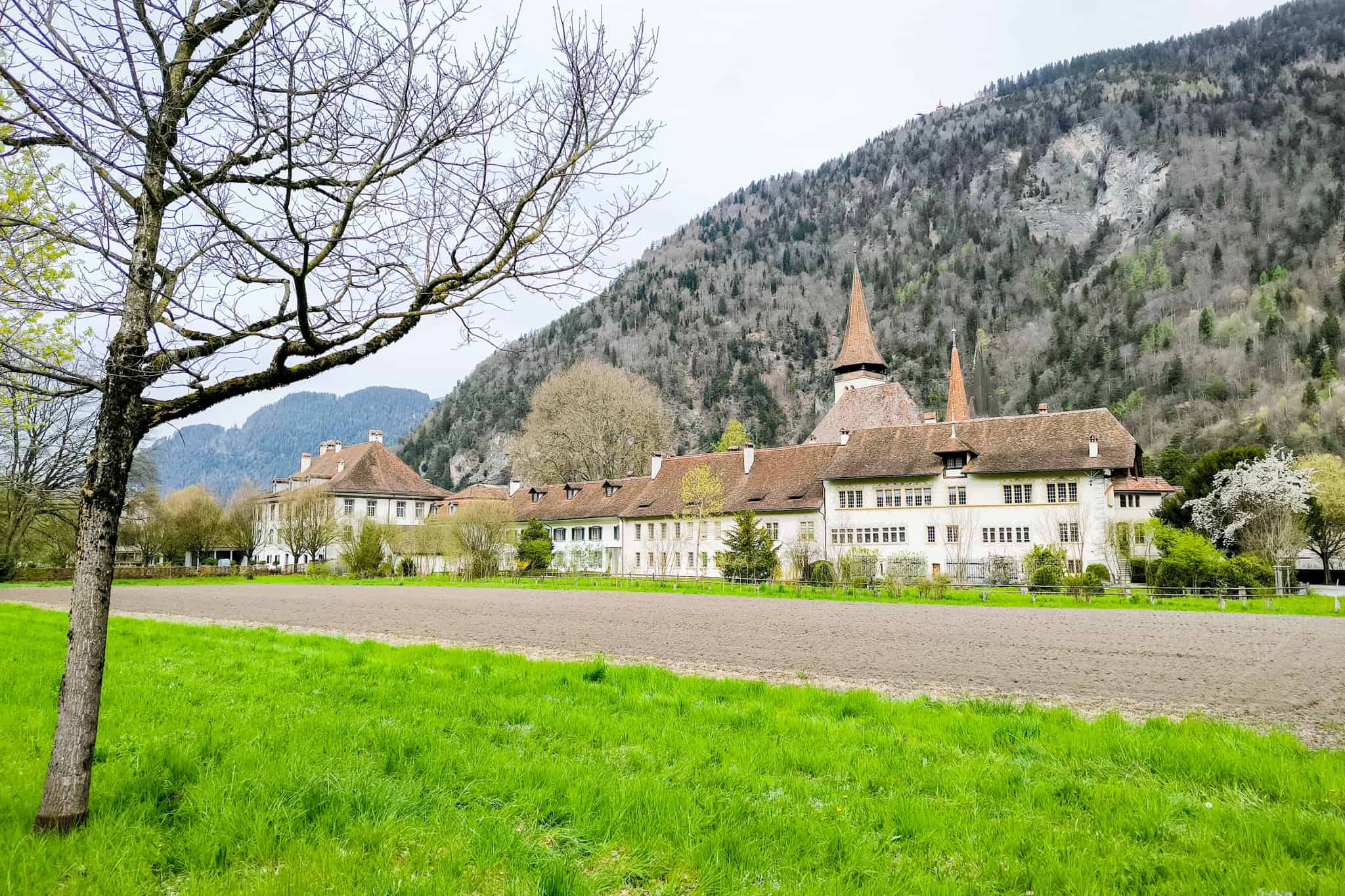
Yet, Interlaken too has attractive areas. The monastery and Reformed Church east of the Höheweg are a good example.
In low season, you can find peace and quiet in several parks and gardens: the large Höhematte Park, the small Japanese garden on the main street, the English garden on the river Aare near Interlaken Ost, and the park of the Interlaken Casino.
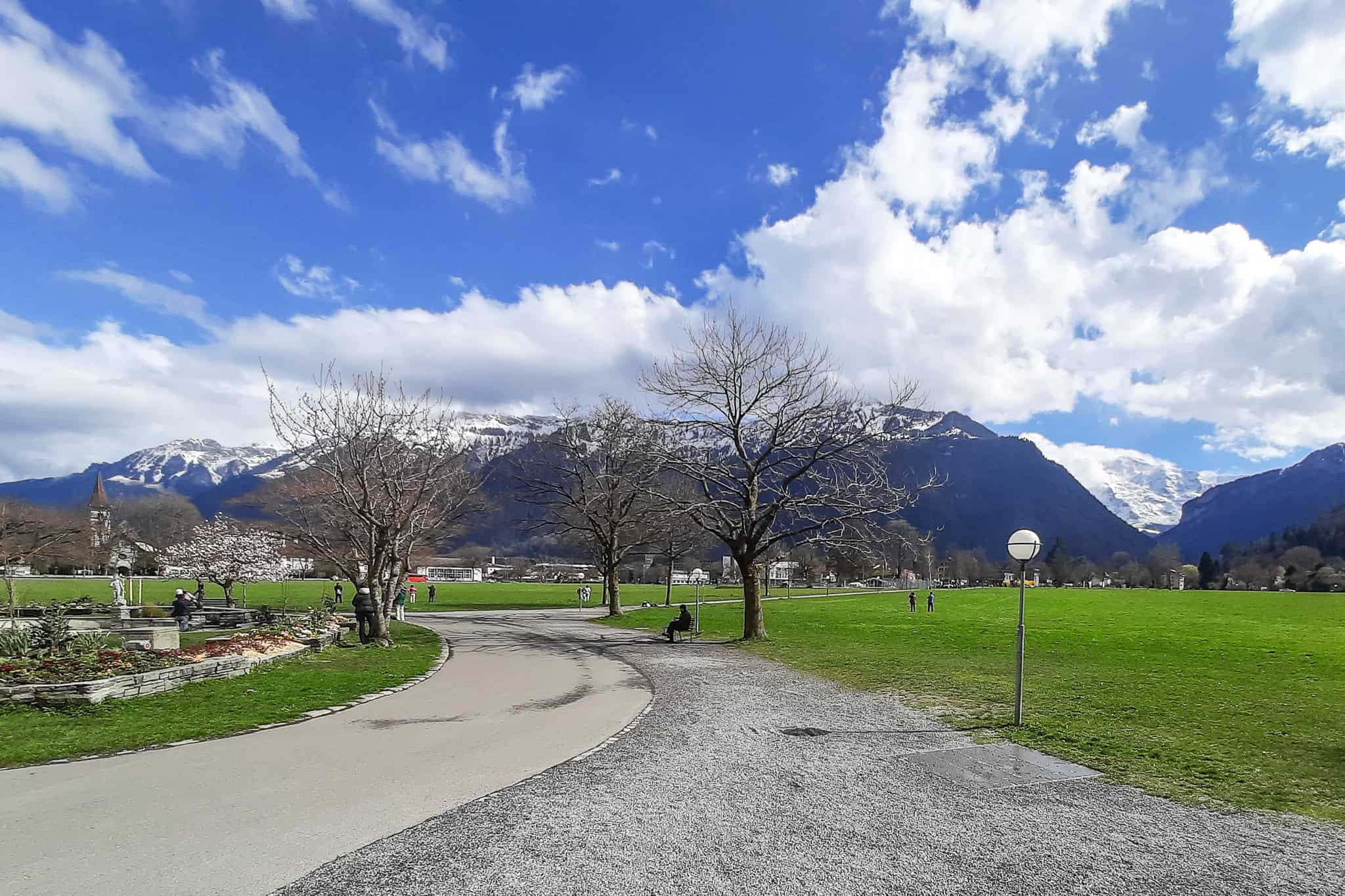
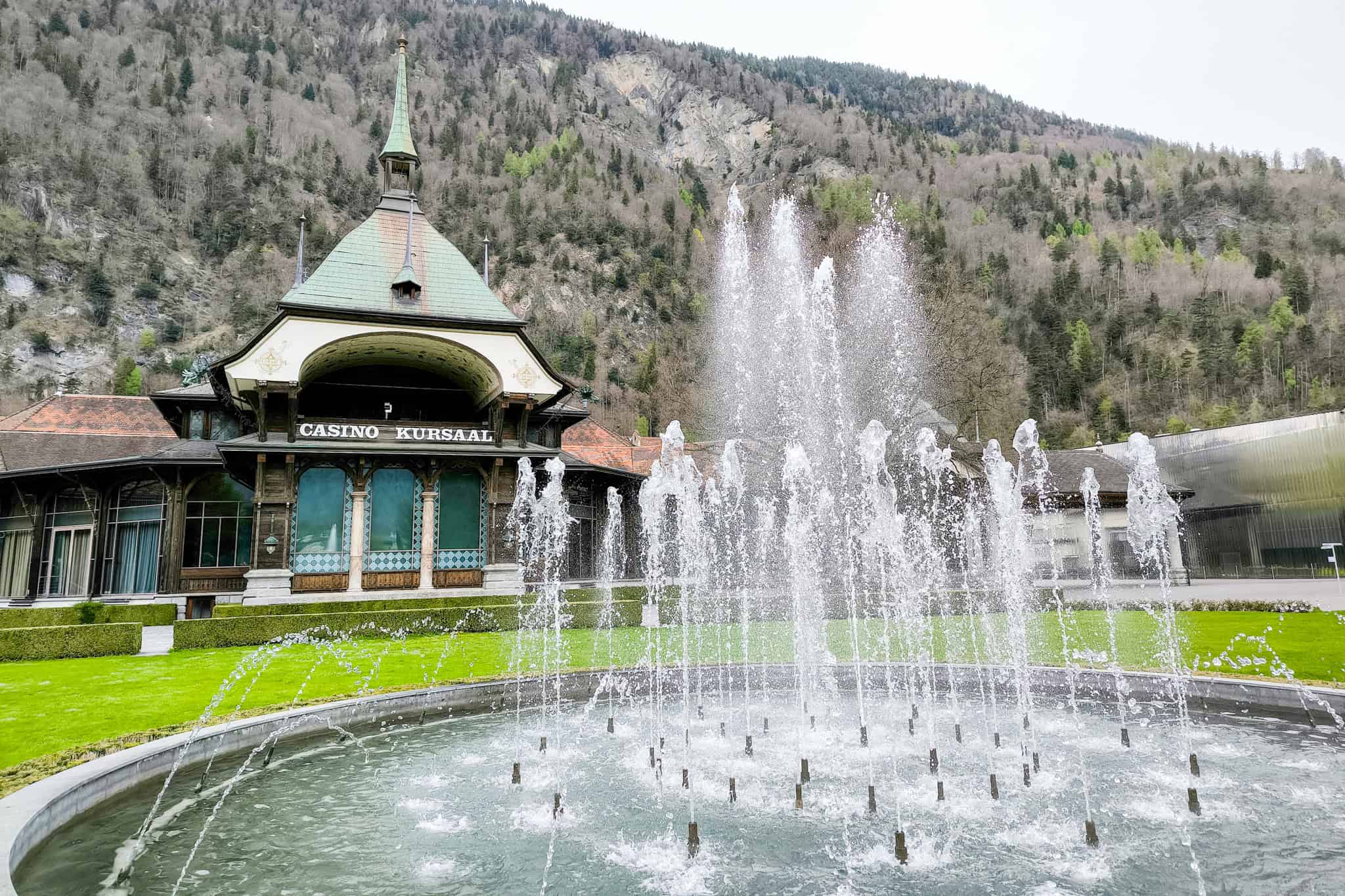
I also like the more authentic-looking district of Unterseen on the north-western side of the river Aare. In addition, traditional architecture can be found in nearby smaller villages, such as Bönigen, Ringgenberg, and Wilderswil.
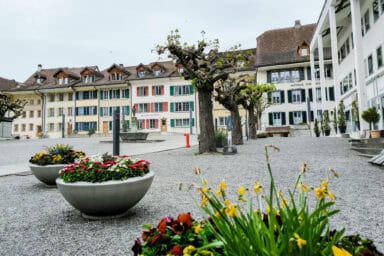

Interlaken’s central location
The main advantage of Interlaken is its excellent location: with its two rail stations, it serves as a hub for a large region. All nearby attractions can easily be reached from here, and a day trip to quite some other parts of Switzerland is possible too.
If you want to see and do a lot during your stay, you can save traveling time by basing yourself in Interlaken, rather than a more isolated village in the mountains, such as Mürren, Wengen, Lauterbrunnen or Grindelwald.
Busy and touristy, many facilities and entertainment
Interlaken is a lively town with many shops and a wide selection of restaurants and hotels. If you are traveling with teenagers that seek some fun, you’re better off in Interlaken than in a smaller mountain village with fewer facilities. The same holds true if you like to do some activities in the evenings.
Less cloudy than in the mountains
Interlaken’s location in the plains of the valley and in between the lakes results in better chances of good weather. In my experience, the sky often clears up well before it does so in the mountains. This is no guarantee of course.
Interlaken FAQ
-
How many days to spend in Interlaken?
You need at least 3 days in Interlaken to explore the region a bit. A 3-day stay allows you to do a few activities in the mountains of the Jungfrau Region and on the Lakes of Brienz and Thun.
There’s a lot to see and do in the area, and you can easily reach other Swiss towns from Interlaken. This means you can spend weeks in Interlaken without getting bored.
-
Why is Interlaken famous?
Interlaken in Switzerland is famous because of its great location. It’s right within 3 attractive holiday regions: Lake Thun, Lake Brienz and the Jungfrau Region.
The Jungfrau Region is one of Switzerland’s prettiest mountain areas and home to the mountains Jungfraujoch and Schilthorn.
Other Swiss towns such as Thun, Bern and Lucerne can be easily reached from Interlaken too.
-
Where is Interlaken in Switzerland?
Interlaken is located just north of the Swiss Alps, in the middle of Switzerland. It’s not in, but very close to the mountains. You can reach Interlaken in a 2-hour train ride from Zurich or Basel.
The town is located in the Swiss canton of Bern and in the holiday region called the Bernese Oberland.
-
How to fly to Interlaken?
The two airports nearest to Interlaken are Zurich Airport and Basel EuroAirport. From both airports, you can reach Interlaken by public transport in just over 2 hours.
-
Can I see the Jungfrau from Interlaken?
Yes, you can see the mountain Jungfrau from several locations in Interlaken. The best vantage point is the park “Höhematte”. This is located on the main street between the stations Interlaken Ost and Interlaken West.
-
What does the name “Interlaken” mean?
The definition of the name “Interlaken” is “between the lakes”. Interlaken is located between Lake Thun and Lake Brienz.
What to do in Interlaken: activity list and my personal tips
Find your day trips and excursions in Interlaken
3 must-do's in Interlaken
I advise not spending too much time in town, but rather focusing on the amazing region surrounding Interlaken. If time is limited, try to include at least:
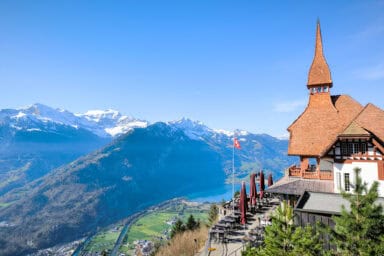
- a visit to Harder Kulm
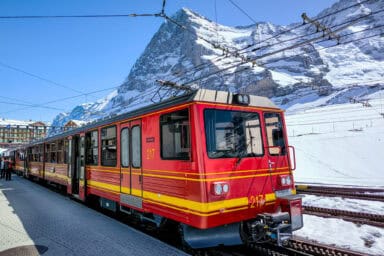
- a visit to Jungfraujoch or Schilthorn
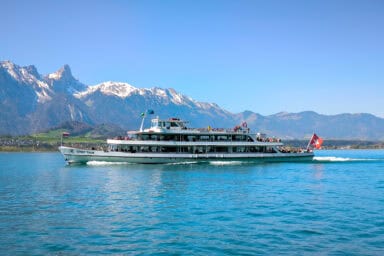
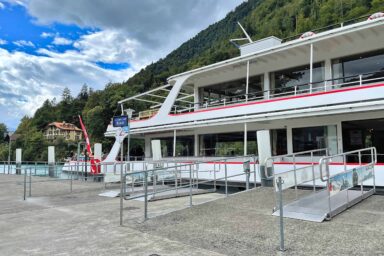
- a boat trip on Lake Thun or Lake Brienz
Panoramic train rides from Interlaken
The GoldenPass route to Lucerne and/or Montreux
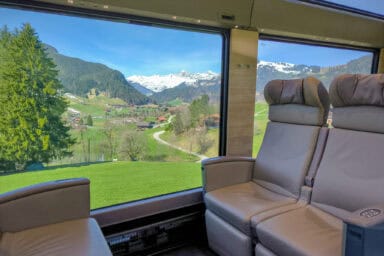
Interlaken is directly on the GoldenPass train route, which stretches from Lucerne in the north to Montreux on Lake Geneva in the south-west. Riding sections of this route makes for a great day trip.
A day trip to Zermatt with the Lötschberg mountain train
Zermatt is in southern Switzerland, on the other side of the Alps. But it's doable to make a day trip to Zermatt from Interlaken, if you leave early.
In my opinion, the train trip to Zermatt is a scenic attraction in itself! You can use either the Lötschberg Mountain Railway (3h20 from Interlaken) or the quicker Lötschberg Base Tunnel connection (2h20).
How to make the Glacier Express ride from Interlaken?
You can make a 1-day round trip from Interlaken which contains the Brig-Chur section of the Glacier Express. Doing the full route is not possible in one day. Find details here.
How to make the Bernina Express ride from Interlaken?
It's not realistic to make a trip by Bernina Express from Interlaken: the train route is too far away. It's best to first move to another base town, such as Zurich, Lucerne, Lugano, Chur, or St. Moritz.
Bad-weather activities
This is what you can do if it rains in Interlaken:
- Go up to the Heimwehfluh in Interlaken (great for kids!).
- Visit the JungfrauPark in Interlaken (fun for children too).
- Visit the national capital Bern.
- Visit the town of Thun.
- Visit the town of Lucerne.
- Explore the St. Beatus Caves near Beatenberg.
- Go to the Trümmelbach Falls near Lauterbrunnen (they're in caves).
Shopping in Interlaken
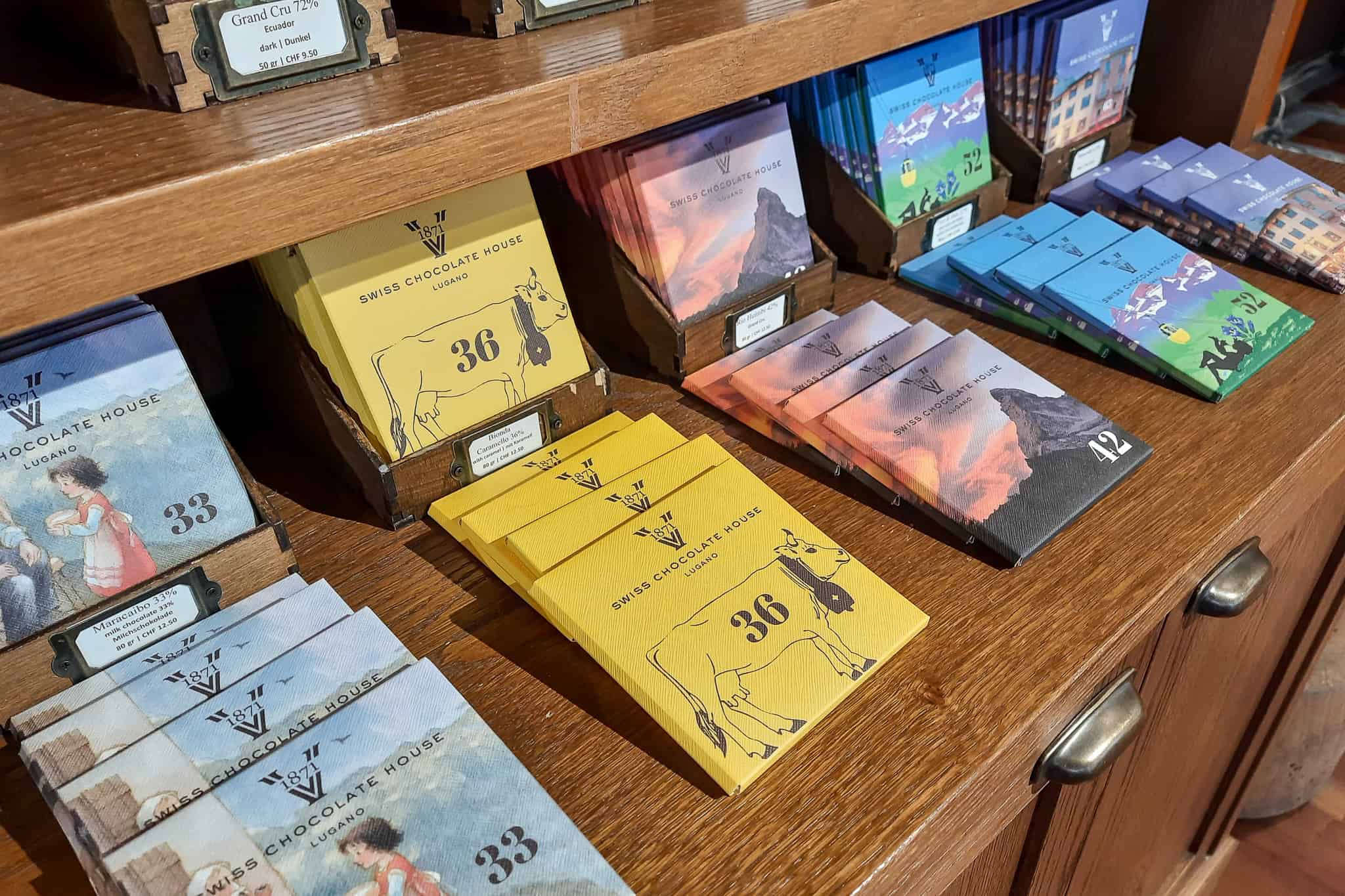
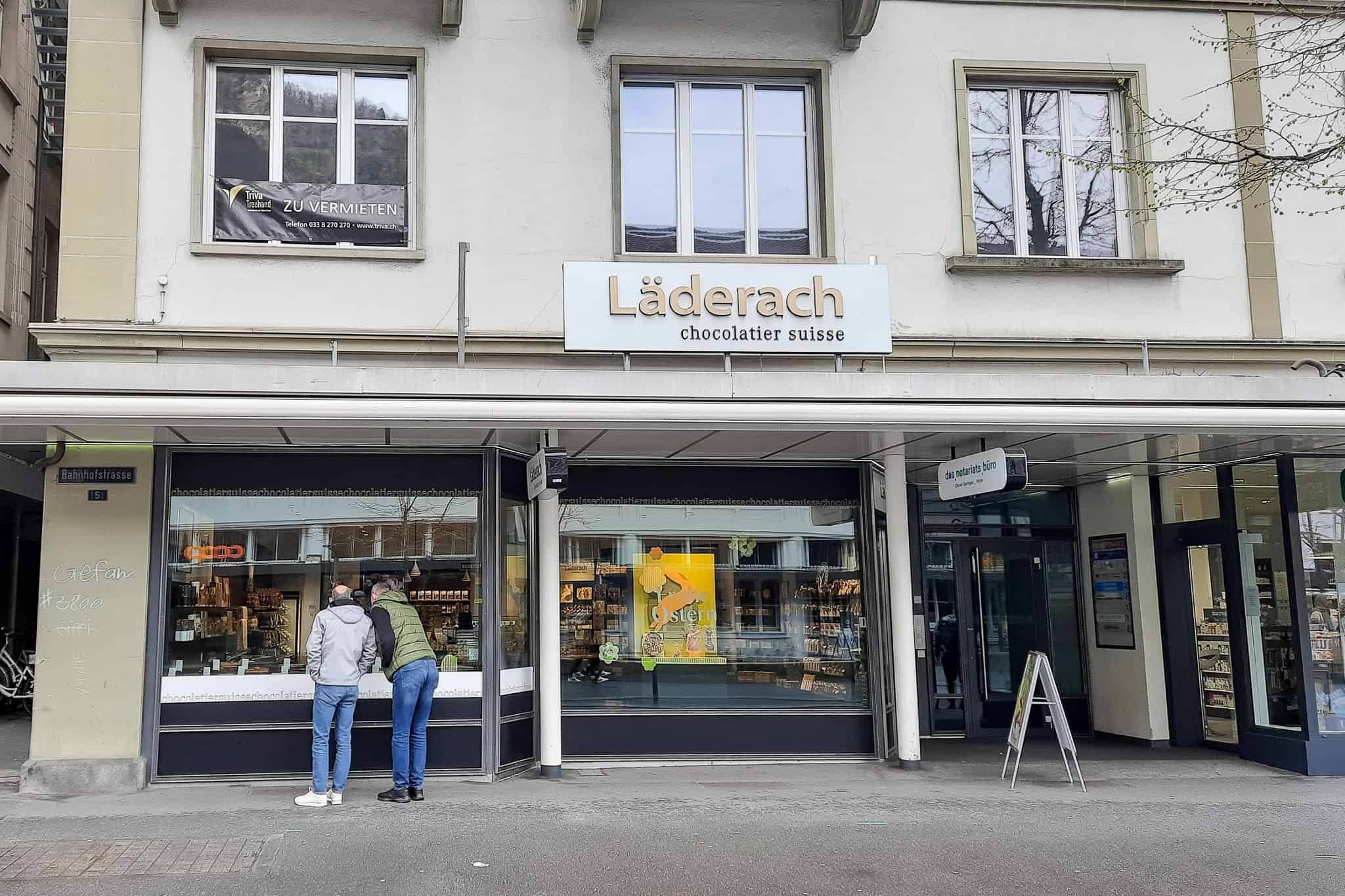
There are many fine chocolatiers in Interlaken. I can warmly recommend Läderach, Vanini, Schuh and the Swiss Chocolate Chalet, which are all located on the main shopping street. In addition, there are plenty of more affordable chocolates in the supermarkets close to the rail stations Interlaken West and Interlaken Ost.
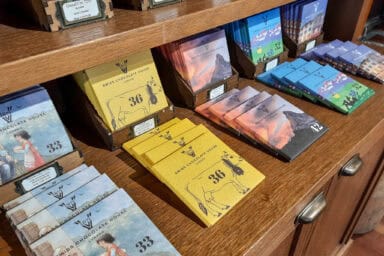

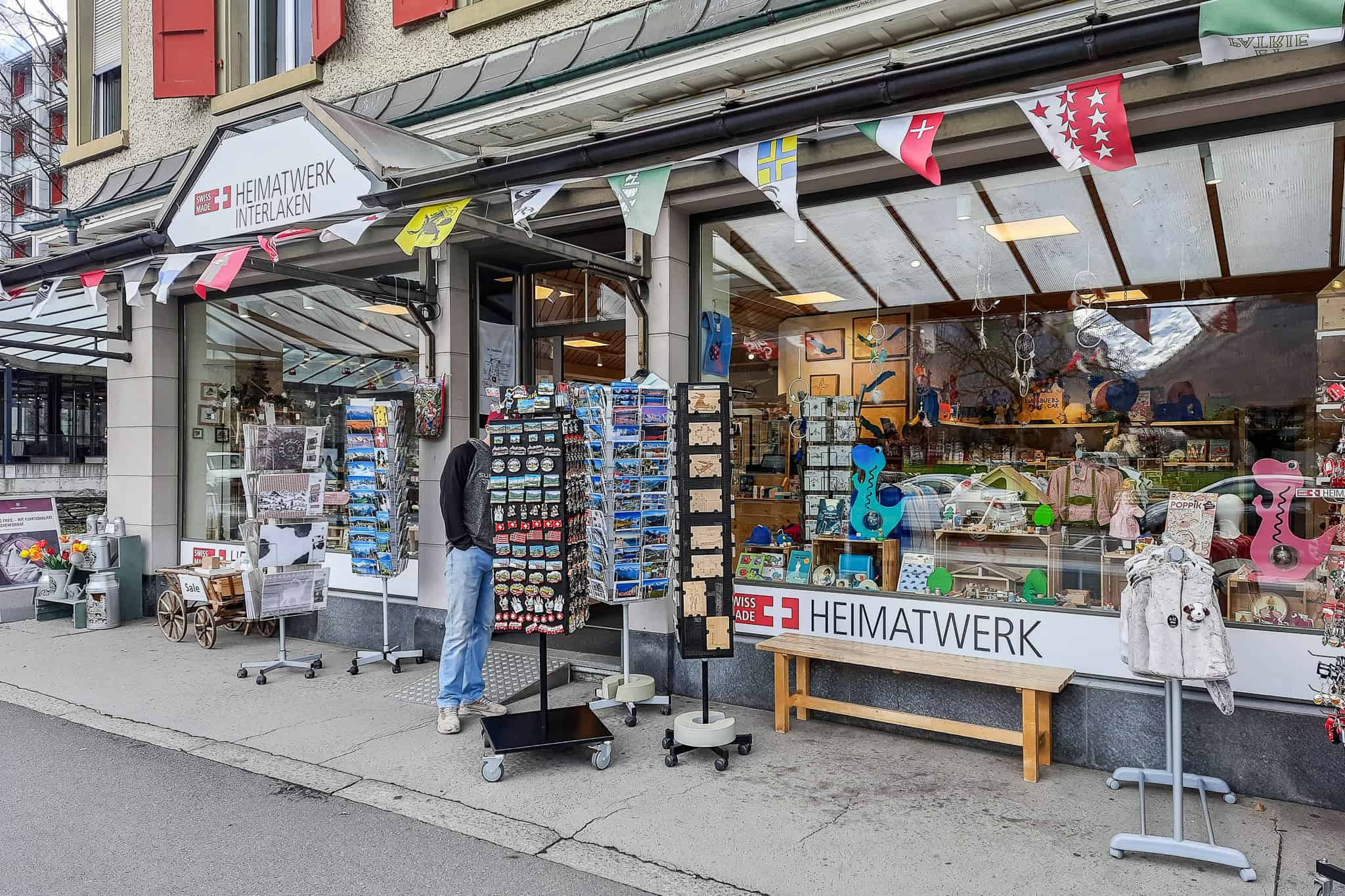
Souvenir shopping is no problem in Interlaken. You'll find luxurious watch and jewelry shops on the main street, but stores with cheaper gifts too.
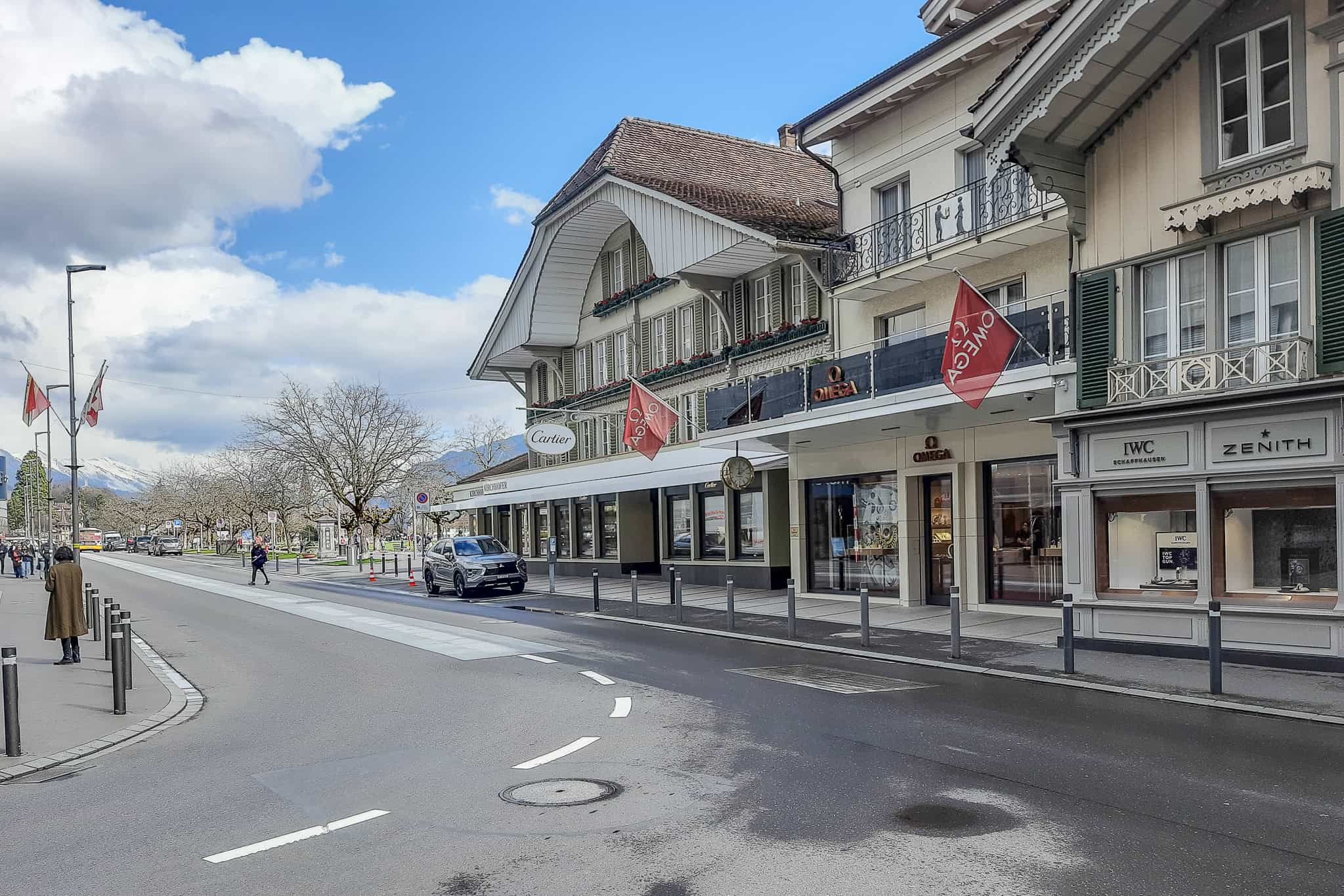
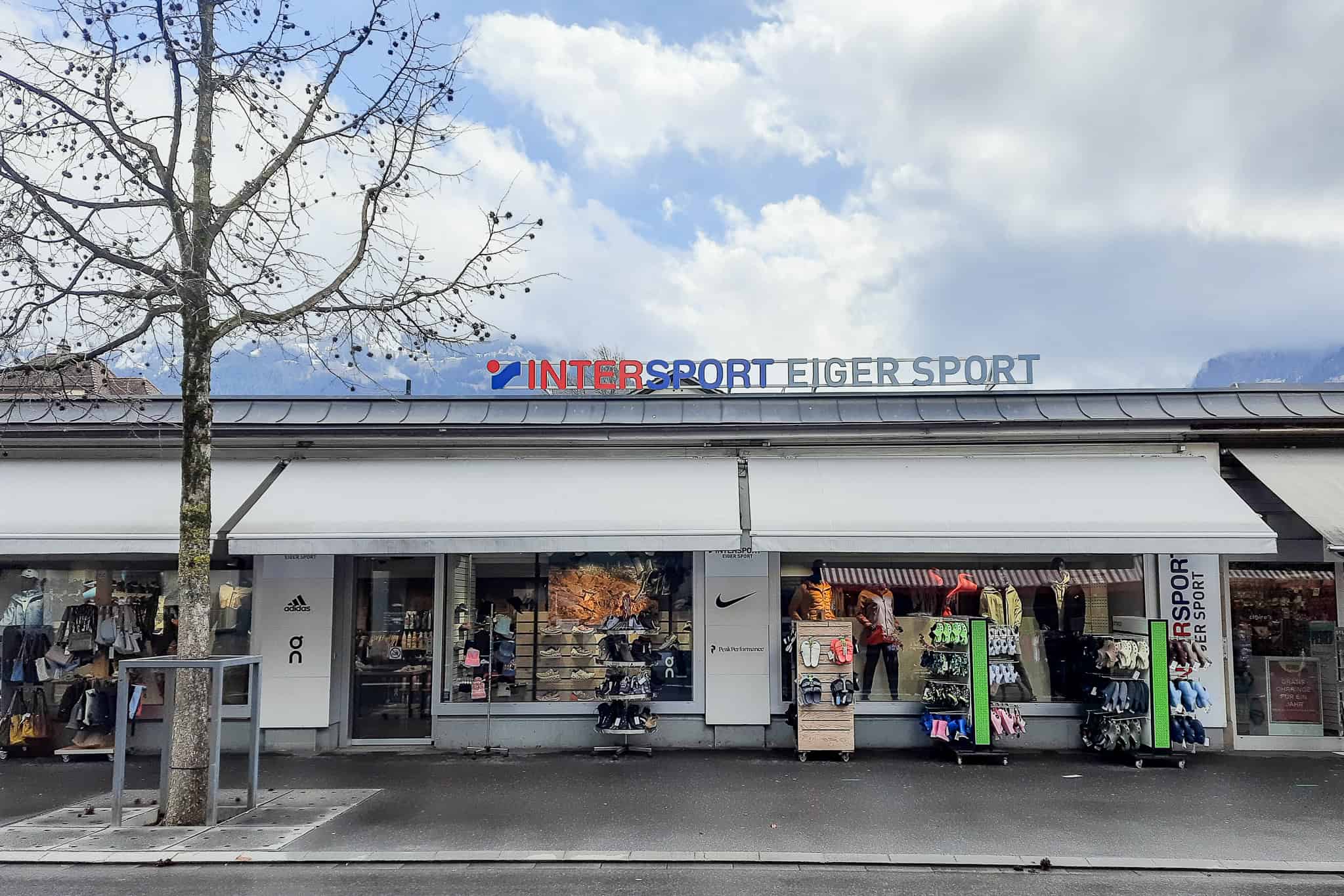
For practical purchases, there are sports shops, drugstores and large supermarkets: a Migros store opposite the Interlaken West station, and a Coop store across from the Interlaken Ost station.
Winter activities in Interlaken
Interlaken is at a relatively low altitude. Snow in the village isn’t likely. But you can use Interlaken as a base to enjoy snow activities in the ski areas of the Jungfrau Region.
Examples are the areas near Mürren, Wengen and Grindelwald. The ski slopes of Meiringen-Hasliberg and Beatenberg are close by as well.
In November and December, Interlaken can serve as a base town to visit Christmas markets and make beautiful train journeys.
- www.interlaken.ch: Interlaken Pass
- www.jungfraupark.ch: JungfrauPark Interlaken
- www.interlaken.ch: Heimwehfluh funicular, model trains, panoramic restaurant and more
- www.beatushoehlen.swiss: St. Beatus Caves
- www.truemmelbachfaelle.ch: Trümmelbach Falls
- www.sbb.ch: parking at railway station Interlaken Ost
Itineraries including Interlaken
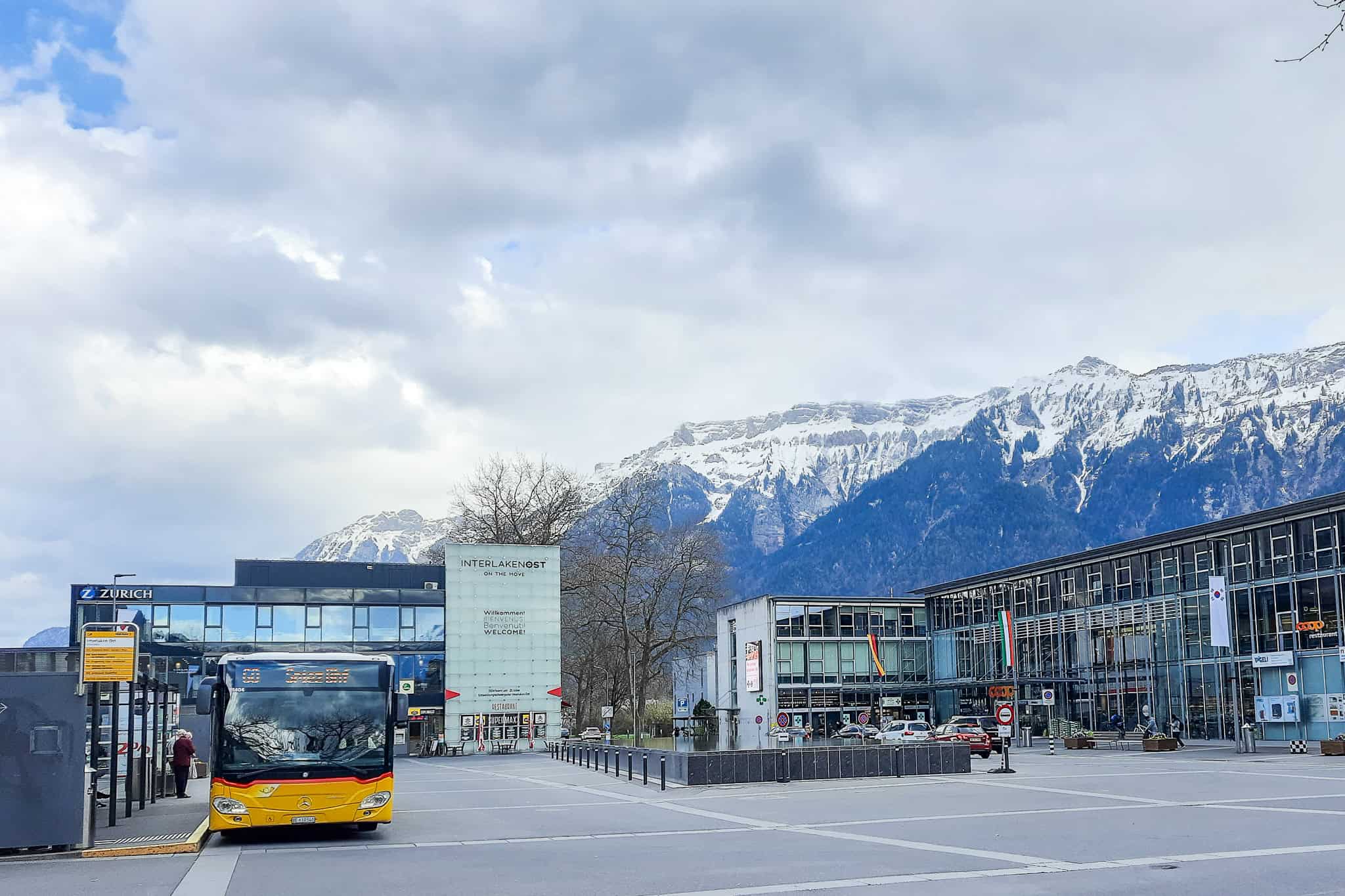
Best of Switzerland itinerary
Ultimate scenic train itinerary

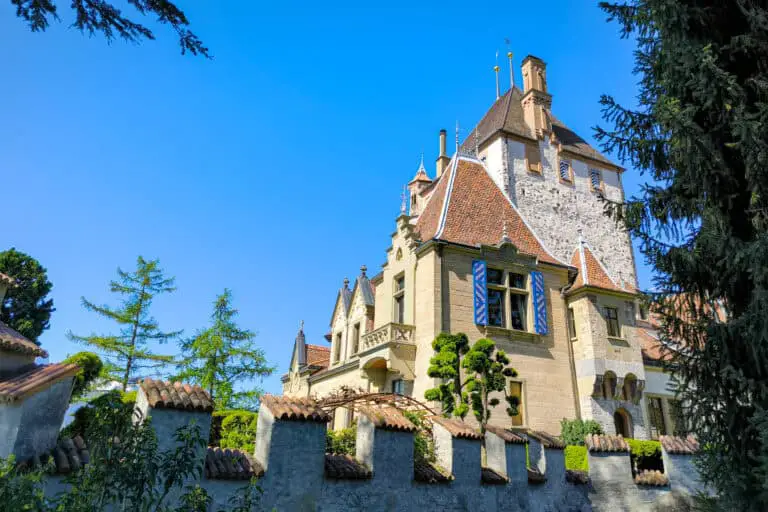
Free with the Swiss Travel Pass in the Bernese Oberland
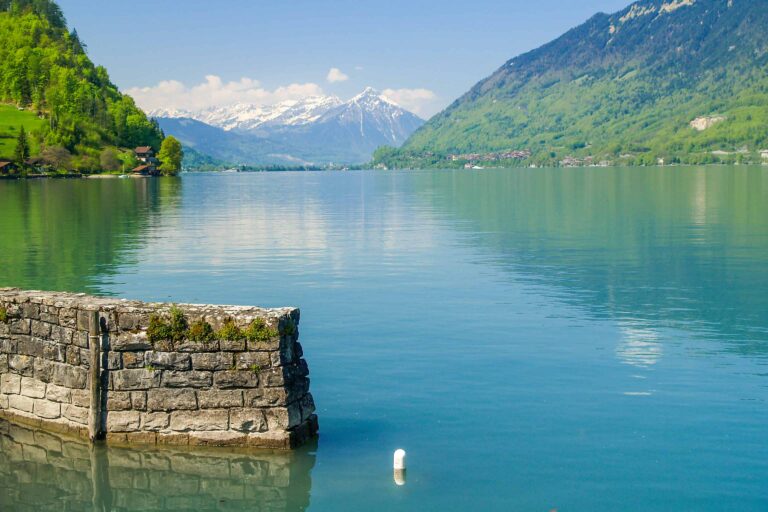
Hike Giessbach-Iseltwald
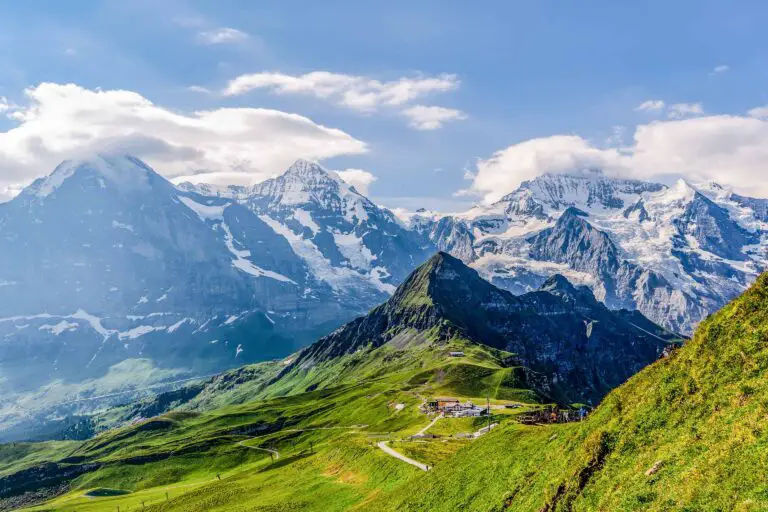
Jungfrau Region
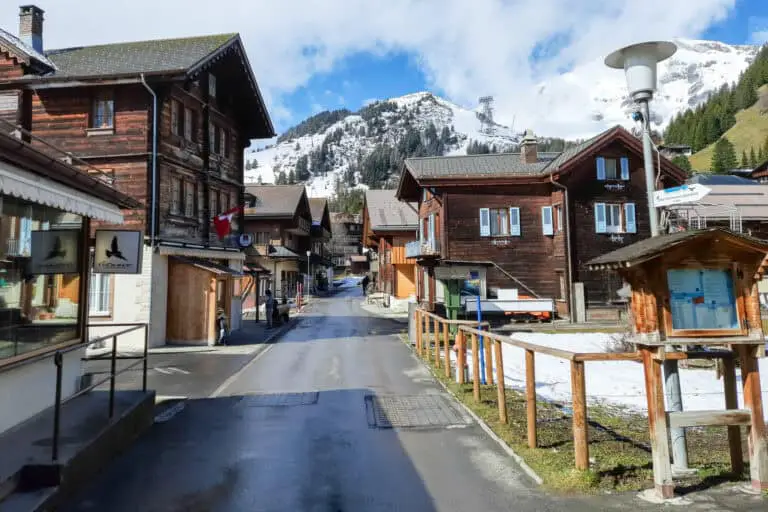
Mürren
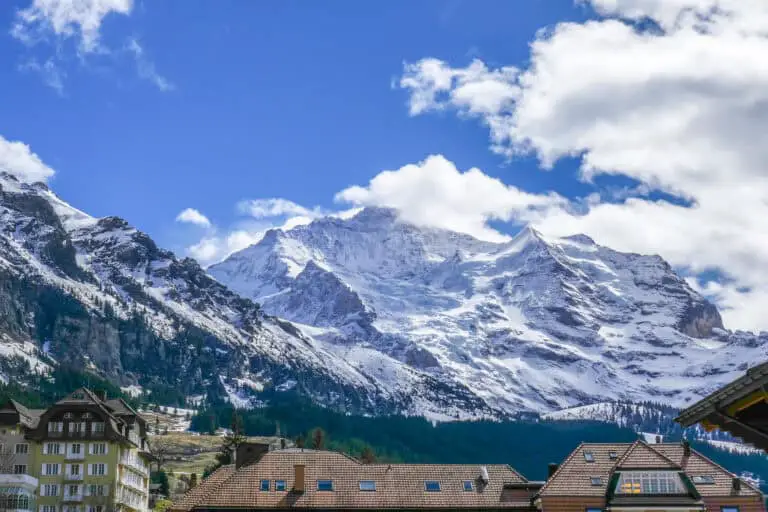
Wengen
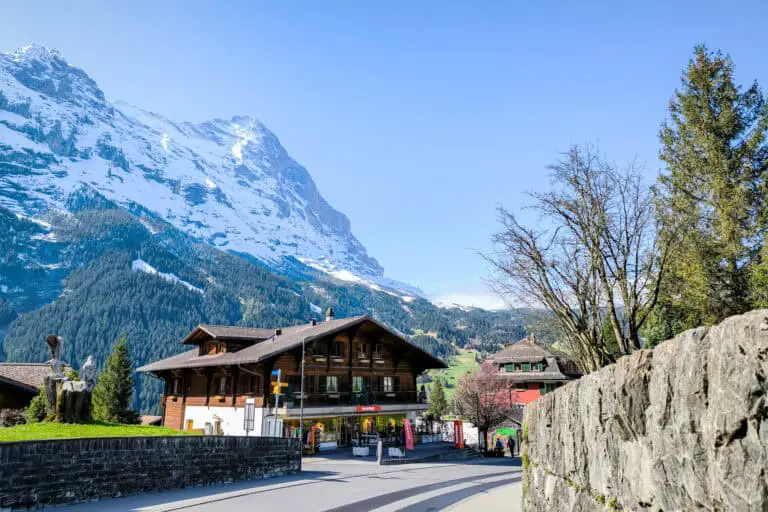
Grindelwald
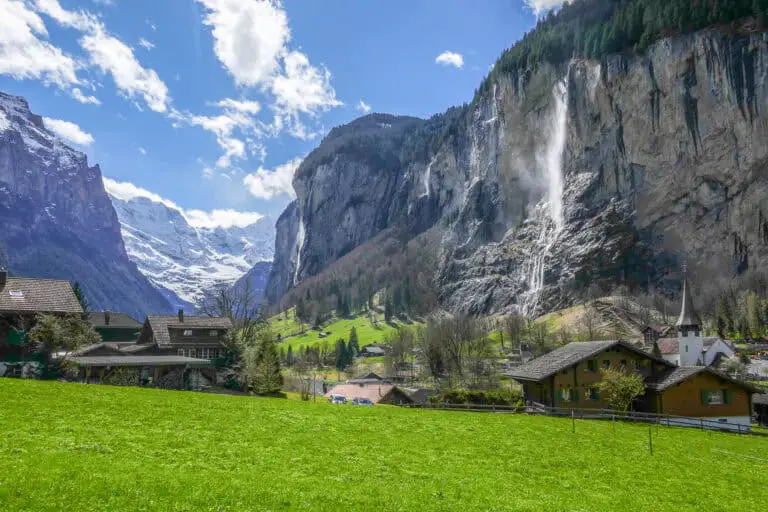
Lauterbrunnen